

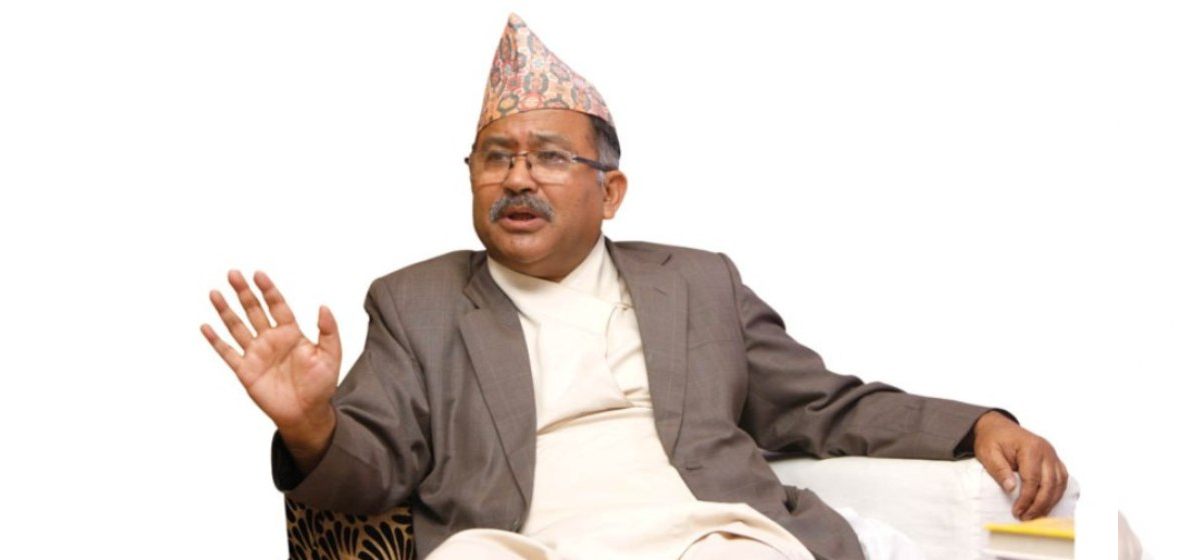
Kathmandu— Speakers at a recent program in Kathmandu emphasized that individuals suffering from leprosy require empowerment through robust social security schemes to achieve self-sufficiency and competence, rather than simply receiving sympathy. Former Chief Justice Kalyan Shrestha, Acting Mayor of Kathmandu Sunita Dangol, and former Finance Secretary Sishir Dhungana all called for increased rights, opportunities, and economic support for those living with the disease, citing societal stigma as a major barrier to their full inclusion.
Persistent Stigma Hinders Progress
Kalyan Shrestha noted that the dignity of people affected by leprosy is often undermined due to systemic deprivation in areas like education, healthcare, and employment, compounded by social isolation and family rejection. He stressed the importance of legally guaranteeing their rights and changing Nepal’s negative perception of the disease, arguing that empowerment, not just sympathy, is what they truly need.
Economic Empowerment as a Key Solution
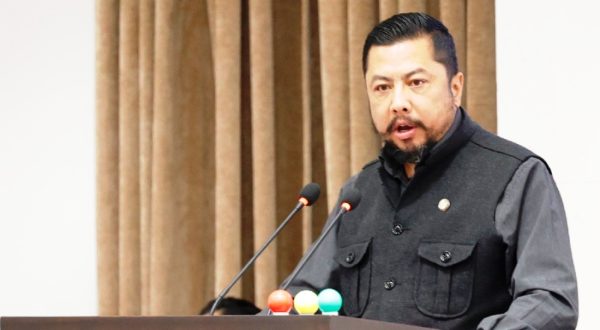
Sishir Dhungana proposed implementing self-entrepreneurship programs for people living with leprosy, including access to seed money and concessional loans. He further suggested that skill development training and employment opportunities could significantly improve their standard of living, while effective marketing strategies would help ensure sustainable income from entrepreneurial ventures.
Current Situation and Prevalence
Approximately 200,000 people in Nepal are currently affected by leprosy, with around 30,000 experiencing disabilities as a result. The country sees between 2,000 and 2,500 new cases annually, with the Madhes Province exhibiting a particularly high incidence rate – more than one case per 10,000 people.
Inclusion Requires Political Will
Nira Adhikari, an Undersecretary at the Ministry of Women, Children, Gender and Sexual Minorities and Social Security, asserted that addressing disability is not merely a technical challenge but also a matter of political and moral responsibility. She emphasized that true inclusion requires overcoming systemic barriers and prioritizing the needs of differently abled individuals.
The program underscored the need for continued advocacy and collaborative efforts to ensure that people affected by leprosy in Nepal receive the support and opportunities they deserve to live dignified and self-sufficient lives.
(With inputs from RN)
Originally published on abcnews.com.np.



प्रतिक्रिया दिनुहोस्