

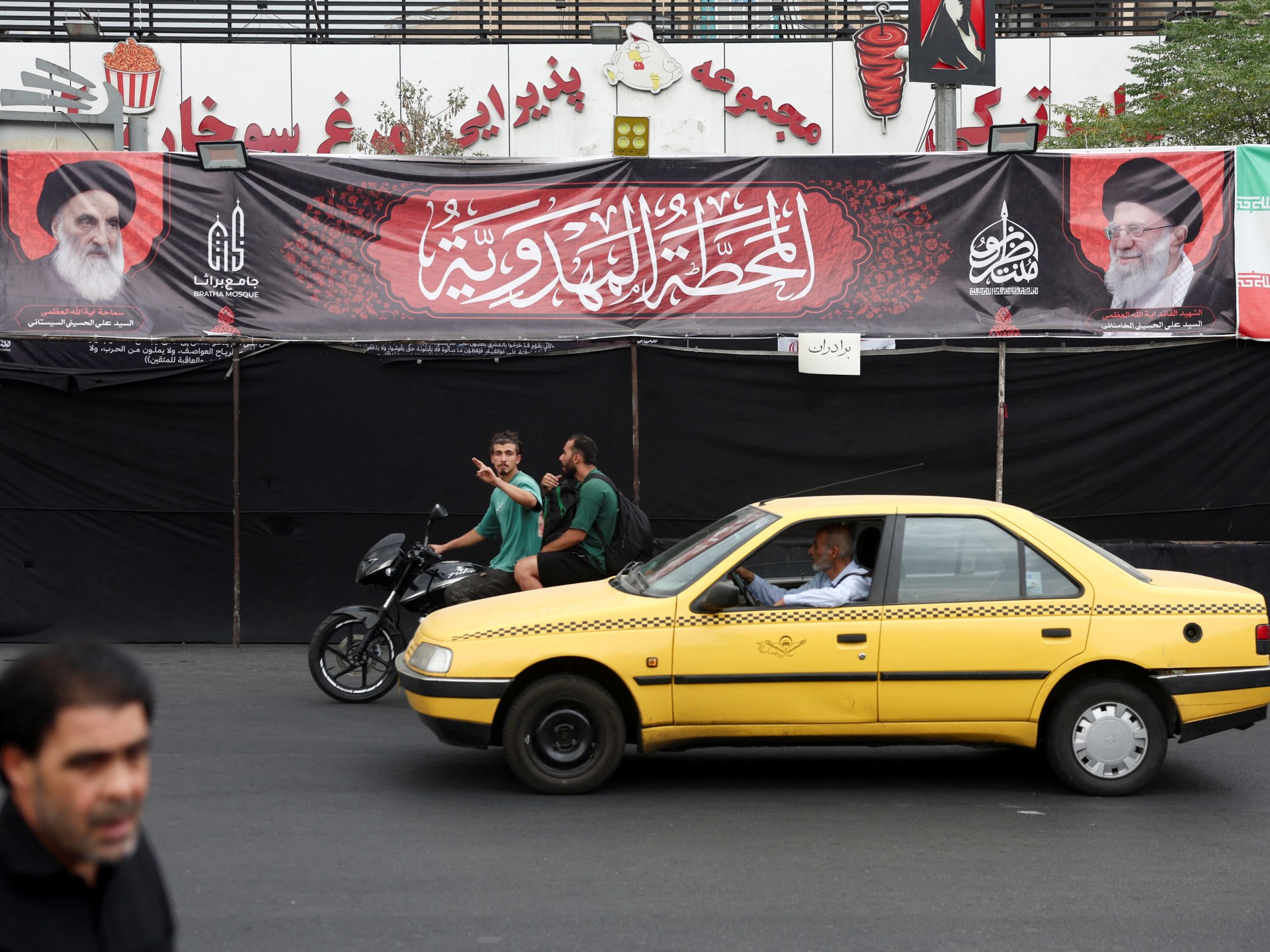
Kathmandu— The Iranian government is signaling an impending increase in fuel prices as the nation’s economy falters under the weight of international sanctions and the ongoing impact of conflict, impacting its 93 million citizens. With the United States tightening its economic siege and war-related pressures mounting, maintaining heavily subsidized fuel has become increasingly unsustainable for Tehran. Authorities are carefully considering options to address the financial burden, mindful of previous unrest sparked by similar measures in 2019 and 2026. President Masoud Pezeshkian alluded to these challenges on Sunday, acknowledging societal problems while blaming external forces for hindering progress.
Economic Pressures Mount
The International Monetary Fund forecasts a 5.4 percent contraction in Iran’s gross domestic product (GDP) in 2026, highlighting the severity of the economic situation. The Iranian rial recently hit a record low of 2 million per US dollar as President Donald Trump threatened further economic pressure. Currently, the government subsidizes petrol at rates far below those in most countries, paying 1.3 million rials (approximately 65 US cents) per litre while selling it to consumers for as little as 15,000 rials (less than 1 cent) per litre.
Fuel Consumption and Production Imbalance
Iran currently consumes around 135 million litres of fuel daily, exceeding its current production capacity of approximately 121 million litres. To mitigate the shortfall, the government has attempted to boost refinery output, utilize petrochemical products, reduce fuel quality through dilution, and halted imports due to ongoing conflict. These measures have proven insufficient to address the growing gap between supply and demand.
Potential Price Hike Options
Government officials are weighing three potential options for addressing the financial strain of fuel subsidies. One involves a first-come, first-served system with unchanged prices but limited availability. Another proposes distributing 30 litres of subsidized fuel to all citizens monthly, allowing those without vehicles to sell their quota. The third, and most drastic, option is to liberalize fuel prices entirely, potentially reaching 872,000 rials (about 44 cents) per litre – a move that could trigger significant inflation. A pilot program in Kerman province was cancelled after local authorities announced the new price without government approval.
Public Concerns and Inflation
The prospect of higher fuel prices is causing anxiety among Iranians already struggling with soaring inflation. Prices have risen 88 percent compared to last year, with food inflation exceeding 128 percent. Mostafa, a shop worker in Tehran, expressed frustration that while the cost of fuel isn’t his biggest concern, rising housing and food costs are becoming increasingly unsustainable. A driver for ride-hailing services noted that passengers frequently voice anger and frustration over deteriorating living conditions, anticipating further price increases following any change to fuel subsidies.
First Vice President Mohammad-Reza Aref indicated the government intends to maintain the lowest price tier with a 60-litre quota while gradually reducing the second tier and ultimately liberalizing prices, directing proceeds towards vulnerable populations. The final decision is expected in the coming weeks.
(With inputs from Al Jazeera)
Originally published on abcnews.com.np.



प्रतिक्रिया दिनुहोस्