

Kathmandu— A narrative of escalating technological rivalry between the United States and China has gained prominence in Silicon Valley, offering tech elites a strategic shield against regulatory efforts to curb their influence. This framing, popularized by figures like Leopold Aschenbrenner – whose AI hedge fund recently collapsed after being outperformed by a Chinese competitor – positions advancements in artificial intelligence as crucial for American economic and military dominance. The strategy has proven effective in fending off antitrust legislation and public demands for greater control over the technologies shaping daily life, allowing powerful firms to maintain their monopolies and extract significant profits.
From Skepticism To Consensus
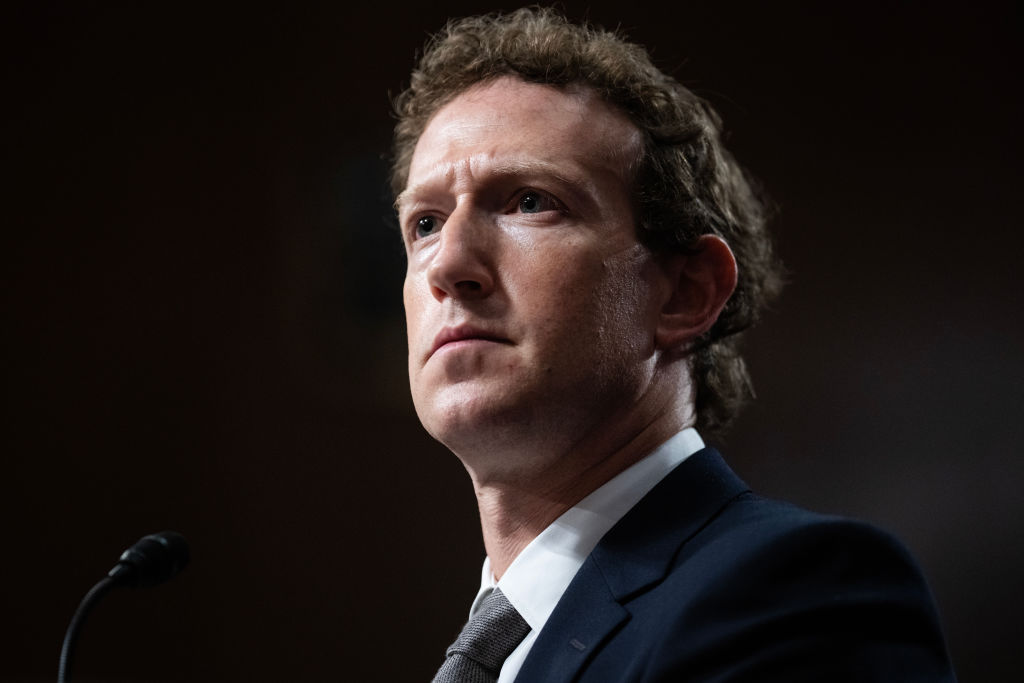
During the first Trump administration, Silicon Valley largely resisted efforts to decouple from the Chinese market, fearing damage to growth and revenue. Similarly, initial reactions to Biden’s semiconductor export controls were marked by industry lobbying against restrictions. However, this resistance has shifted as a consensus around the “new Cold War” narrative has emerged. Meta CEO Mark Zuckerberg recently argued that infrastructure needed for AI development constitutes a national security risk if it hinders US dominance in the race with China, an opinion echoed by leaders across the political spectrum from OpenAI’s Sam Altman to venture capitalists Peter Thiel and Marc Andreessen.
Aschenbrenner's Rise And Fall
Leopold Aschenbrenner, through his 2024 treatise “Situational Awareness,” became a key voice in promoting this narrative. He likened the current AI race to the development of the atomic bomb during World War II, framing it as a battle for global supremacy. This resonated with investors who poured funds into his hedge fund, Situational Awareness, until a cheaper, open-weight AI model released by Chinese startup Moonshot AI caused its portfolio—and Aschenbrenner’s fortunes—to plummet. The incident underscored the competitive pressure from China while simultaneously reinforcing the narrative of technological rivalry.
Divergent Approaches To Tech Regulation
The contrasting regulatory environments in the US and China are central to this dynamic. While the Chinese government has exerted tight control over its tech industry – exemplified by the crackdown on Alibaba’s Jack Ma – the US, until recently, largely allowed monopolies to flourish. This bipartisan consensus placed technology policy in the hands of a few powerful Silicon Valley players. The rise of AI further concentrated power, with companies like Microsoft, Google, and Nvidia securing exclusive deals and major stakes in key competitors.
National Security As A Shield Against Antitrust
In 2018, notes from Mark Zuckerberg during a congressional hearing revealed a strategy to deflect antitrust scrutiny by framing US tech companies as vital national assets. This tactic gained traction during the Biden administration when Silicon Valley firms successfully lobbied against proposed antitrust bills using arguments about maintaining America’s military and intelligence dominance. A letter signed by former national security officials warned that regulating tech giants would cede leadership to China, effectively halting legislative efforts.
A Broader Strategy For Maintaining Power
The “new Cold War” narrative serves a dual purpose: protecting Silicon Valley from democratic accountability and bolstering the power of the national security state. As public dissatisfaction grows regarding issues like job automation, surveillance technologies, and algorithmic price-fixing, framing these concerns as threats to national security provides a convenient justification for maintaining the status quo. This strategy also offers an opportunity for the foreign policy establishment to regain influence amid growing antiwar sentiment and scrutiny of recent international interventions.
Despite significant investment and technological advancements, public opinion remains skeptical of Silicon Valley’s vision for the future, raising questions about how long this strategy can effectively deflect demands for greater democratic control over technology.
(With inputs from Jacobin)
Originally published on abcnews.com.np.



प्रतिक्रिया दिनुहोस्