

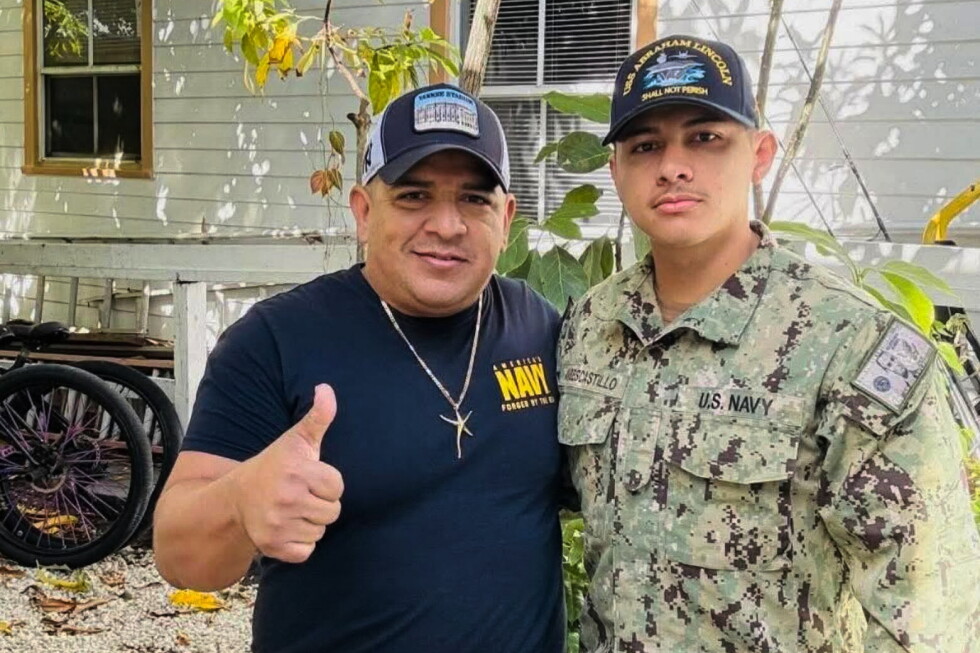
Kathmandu— Luis Manuel Aviles, 48, was taken into custody by Border Patrol in Key West, Florida, just as his son, Joshua Aviles, neared the end of a nine-month deployment with the Navy on the USS Abraham Lincoln. The arrest is part of a broader trend under the Trump administration of increased immigration enforcement impacting families of active-duty military personnel, despite the father having a work permit and 19 years of residency in the United States. His wife, Argelia Aviles, stated he was arrested while taking his car to the mechanic, and that he had been eagerly anticipating his son’s return from a deployment marked by concerns over conditions aboard the ship.
Record Deployment Strains Military Families
The USS Abraham Lincoln recently concluded a record-breaking period at sea, raising anxieties about the well-being of its crew. Joshua Aviles reported working 12-hour shifts for over 250 days without respite during the deployment in the Middle East, and concerns have been raised regarding supply shortages and mental health among soldiers. His sister, Katherine Delgado, noted that he joined the military partly with the hope of securing citizenship for his father and alleviating fears of arrest.
Administration Defends Enforcement
The Department of Homeland Security defended the arrest of Luis Aviles, stating that having a family member in the military does not exempt individuals from adhering to U.S. laws. The department asserted Sunday that the Trump administration “does not pick and choose which laws to enforce.” This stance comes as the administration has rolled back certain immigration protections for military families as part of its broader deportation agenda.
Families Caught In Policy Shift
The Associated Press reported that at least six family members of active-duty U.S. troops have been deported, and one chose to self-deport, with the government not tracking these detentions. One spouse was removed from a deportation flight to Brazil following AP reporting on the case. Military parole-in-place, intended to help spouses, children, and parents of service members obtain legal status, is not universally accessible, excluding those who have overstayed visas or previously applied for legal status at the border.
Son's Emotional Plea
Joshua Aviles expressed his distress in a Facebook post, stating he was “fighting for a country that has given me everything” when he learned of his father’s arrest. He questioned how he could continue working long hours knowing his father might be treated like a criminal. His sister, Katherine Delgado, described the situation as devastating, noting she had spent hundreds of dollars sending care packages to her brother on the ship—some of which never arrived—after learning about food shortages.
Luis Aviles remains in ICE custody while deportation proceedings are pursued, and his son is expected to return from deployment soon without being able to reunite with his father. The Navy did not immediately respond to requests for comment.
(With inputs from AP)
Originally published on abcnews.com.np.


प्रतिक्रिया दिनुहोस्