

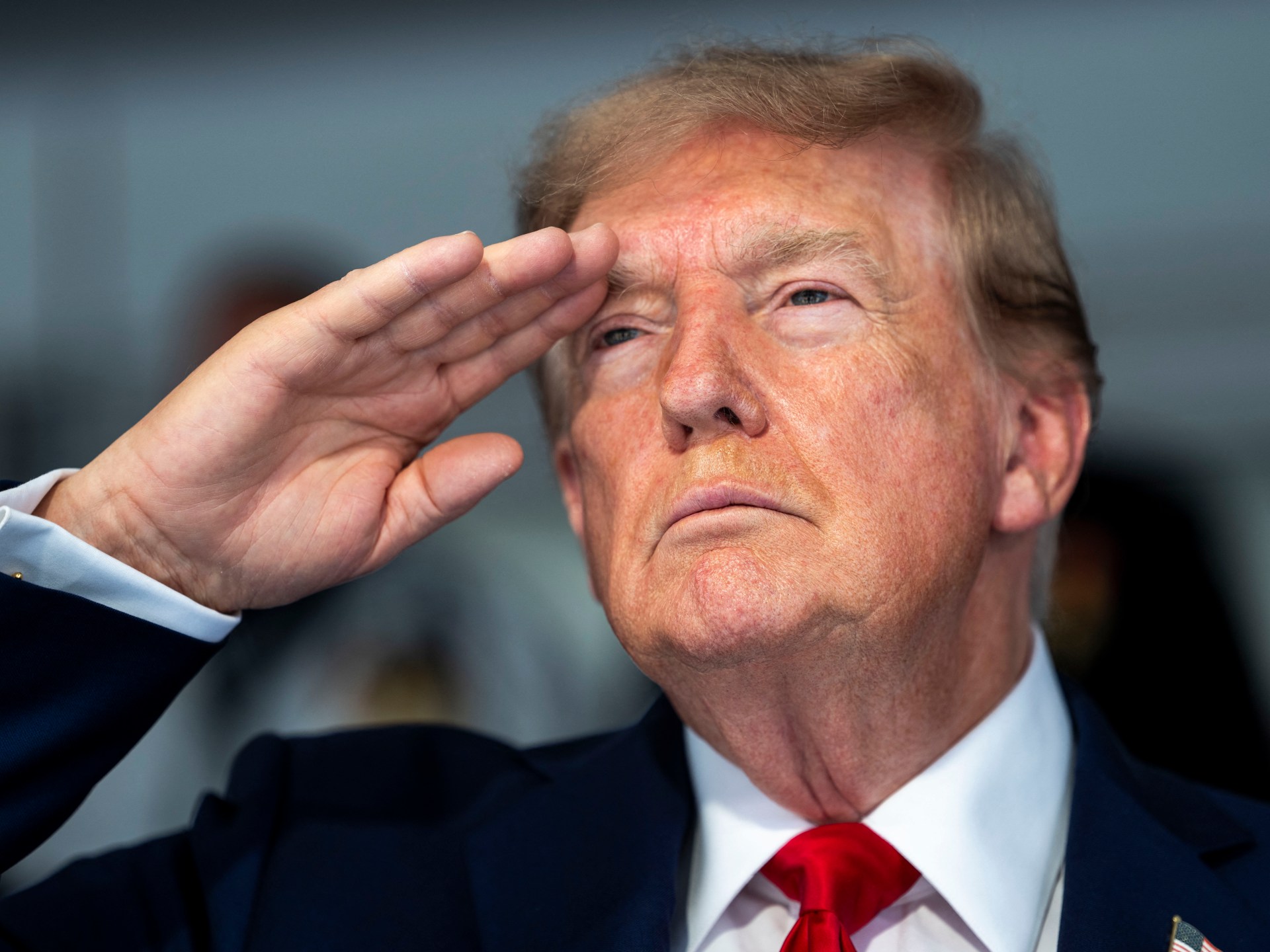
Kathmandu— The administration of former United States President Donald Trump has proposed a new rule to establish a permanent fee of $103,265 for H-1B work visas, which allow US employers to hire foreign workers in specialized fields. Published in the Federal Register on Monday, the proposal is now subject to a 30-day public comment period before potentially being finalized by the Department of Homeland Security (DHS). The move aims to solidify a temporary fee previously challenged in court and would significantly increase costs for companies recruiting skilled labor in sectors like technology, education, and research.
Previous Fee Attempts and Legal Battles
Last year, Trump temporarily imposed a $100,000 fee on H-1B visas, but that measure was blocked by court rulings. The temporary proclamation is set to expire in September, and this new DHS proposal seeks to replace it with a permanent structure. In June, a federal judge ruled the initial fee illegal, preventing the administration from collecting it; however, the decision is currently under review by an appeals court while another court considers a separate challenge brought by a major business group.
H-1B Visa Program Overview
The H-1B program provides 65,000 visas annually to foreign workers with specialized training, along with an additional 20,000 for those holding advanced degrees. Visas are typically approved for periods of three to six years. Prior to the recent fee increases, typical costs associated with these visas ranged from $2,000 to $5,000 depending on various factors. The administration claims that as of February 15th, only 85 payments of the $100,000 fee had been received from 70 employers.
Debate Surrounding Visa Program Use
Trump and other critics argue that the H-1B program is often abused by companies seeking to replace American workers with cheaper foreign labor. Conversely, business groups maintain that the program is essential for addressing shortages of qualified US workers in certain fields and enabling businesses to attract top talent. Trump invoked presidential authority under federal immigration law to justify imposing the fee, claiming it was necessary to protect US interests.
Ongoing Legal Challenges
The proposed rule faces legal challenges from the US Chamber of Commerce, several Democratic-led states, and a coalition of unions and employers. These lawsuits argue that Trump’s authority to restrict entry does not extend to overriding established visa programs and that DHS lacks the power to impose fees without congressional approval. The administration counters that the fee is not a traditional tax and that courts have limited jurisdiction over presidential decisions regarding immigration.
Applications for H-1B visas decreased by more than 25 percent last year, with approximately 344,000 registrations compared to 794,000 in 2023. The Department of Homeland Security has also implemented additional fees and enhanced vetting procedures for H-1B applicants.
(With inputs from Al Jazeera)
Originally published on abcnews.com.np.

प्रतिक्रिया दिनुहोस्