

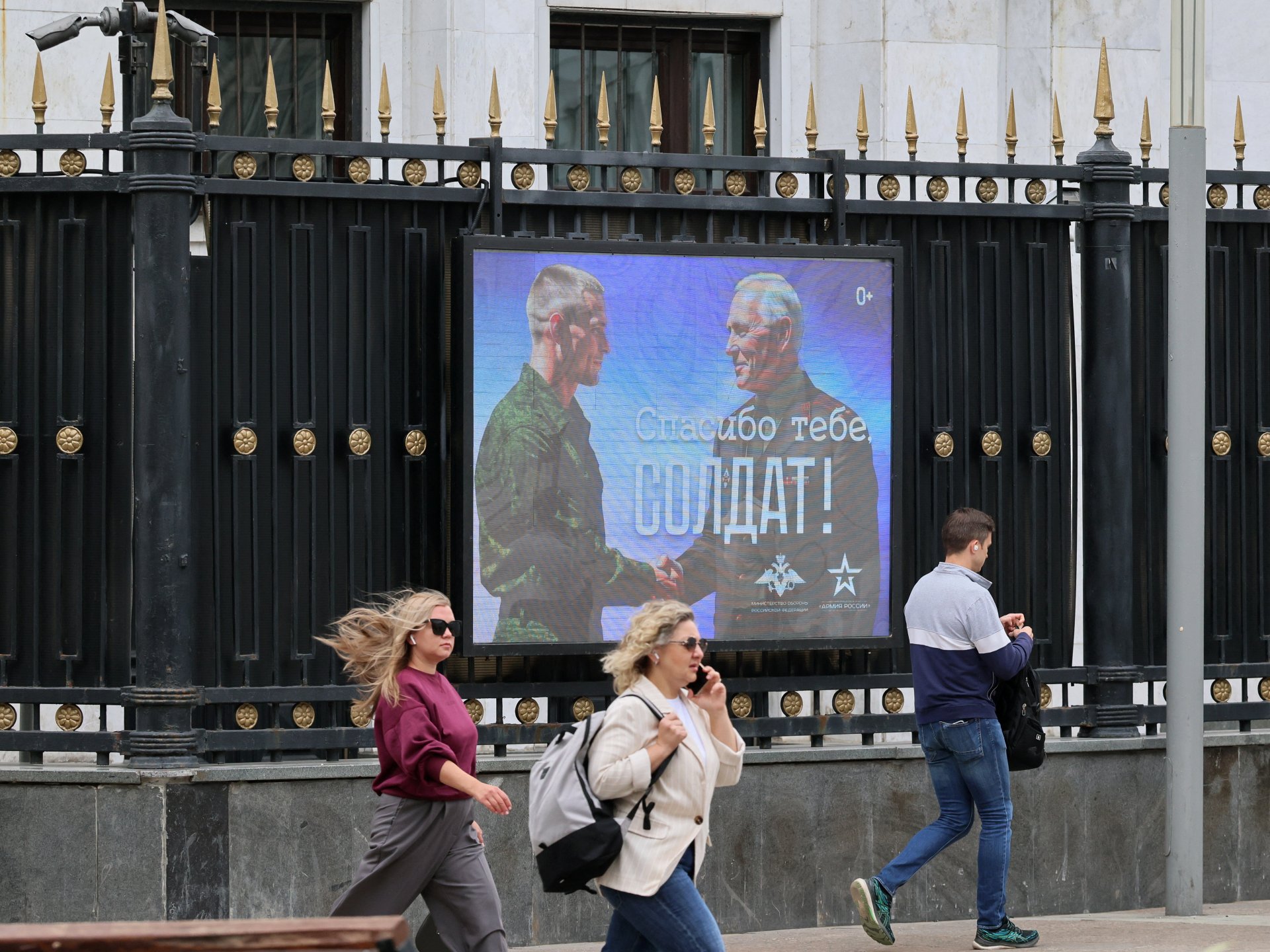
Kathmandu— Growing anxieties over a new wave of mobilization are sweeping across Russia, fueled by reports of increasingly assertive military recruitment tactics. As Moscow prepares for anticipated winter offensives in Ukraine, individuals are alleging instances of coercion, including being targeted under false pretenses and threatened with fabricated criminal charges to force them into signing military contracts. The concerns come as the Kremlin struggles to replenish its ranks after significant casualties sustained during the ongoing conflict, leading to a focus on vulnerable populations and coercive methods.
Escalating Recruitment Tactics
Reports have surfaced detailing aggressive recruitment efforts across Russia, particularly in regions like Penza, where individuals claim they are being forcibly detained and pressured into joining the military. Footage circulating on social media appears to show plainclothes officers attempting to take men to recruitment centers, mirroring similar scenes previously observed in Ukraine. Sasha, a 26-year-old from Orenburg who requested anonymity, described feeling increasingly unsafe and carrying pepper spray for protection against potential aggression. He recounted an incident where a friend was approached by individuals claiming to be military police, demanding identification and attempting to take him away.
Targeting Vulnerable Populations
According to Mikhail Liberov of the Conscientious Objectors Movement, recruiters are specifically targeting individuals deemed vulnerable – those struggling with addiction, mental health issues, significant debt, or lacking a strong understanding of their rights. Migrants who may fear deportation are also considered prime targets. Men over 35, motivated by financial incentives or a desire for recognition, are also being approached. Liberov explained that threats of imprisonment on fabricated charges are frequently used to coerce individuals into signing military contracts.
Dwindling Volunteer Numbers and Economic Strain
Despite initial efforts to bolster troop numbers through prisoner recruitment and generous payouts, the number of voluntary enlistments has reportedly declined significantly. According to independent Russian news site IStories, the number of people voluntarily signing military contracts halved by late 2025. This dwindling pool of willing recruits is compounded by the broader economic impact of the war and high casualty rates, estimated at nearly 450,000 by the Center for Strategic and International Studies in Washington D.C.. The ongoing conflict is also impacting domestic life, with Ukrainian drone strikes reaching deep into Russian territory.
Alternative Service Options Limited
While Russia’s constitution allows for alternative civilian service for those with conscientious objections to military service, access remains limited. Approximately 2,000 people apply annually, with only around half receiving approval. This option involves serving in organizations subordinate to the executive branch or at defense manufacturing plants for a period of 18-21 months. Vladimir from Ulan-Ude, a former conscript eligible for mobilization, stated he is preparing for a potential draft and intends to apply for alternative service if escalation occurs.
Experts Predict Further Mobilization
Analysts suggest that the recent recruitment drives in Penza are likely isolated incidents driven by local quotas rather than a nationwide systemic effort. However, many believe further mobilization is inevitable. Oleg Ignatov of the International Crisis Group notes Russia’s current challenge isn't quantity but quality – needing more skilled soldiers capable of operating modern warfare systems like drones. Liberov also predicts that unless circumstances change to end the war in Ukraine, another mobilization will likely occur this fall.
Despite ongoing denials from local authorities regarding coercive tactics, reports continue to emerge indicating a growing sense of fear and anxiety among potential recruits as Russia prepares for continued conflict in Ukraine.
(With inputs from Al Jazeera)
Originally published on abcnews.com.np.


प्रतिक्रिया दिनुहोस्