

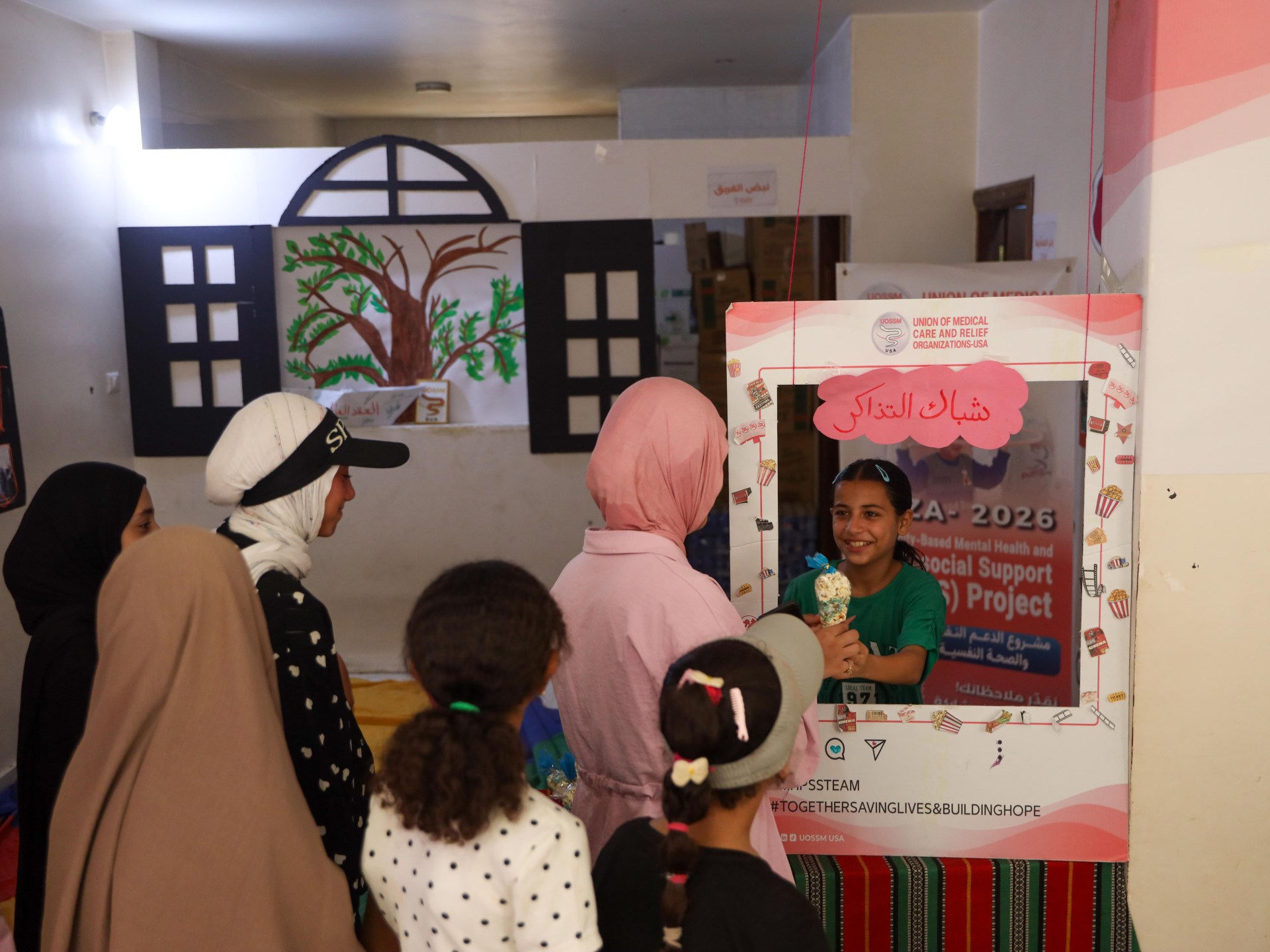
Kathmandu— In the midst of nearly three years of intense conflict in Gaza, a unique initiative is offering displaced girls a temporary escape from the harsh realities of war. Every Thursday in Deir el-Balah, a charity organizes weekly movie screenings – complete with popcorn and a makeshift cinema experience – providing these young women with moments of joy, safety, and an opportunity for self-expression. The program has become a vital source of psychological support for girls like 14-year-old Natalie al-Hatoum, who lost family members and her home in the ongoing conflict that began in October 2023 and has claimed over 73,000 Palestinian lives.
A Brief Escape From Harsh Realities
Natalie, originally from Gaza City’s Remal neighborhood, now lives with her family in a single rented room after their home was destroyed. The weekly cinema sessions offer a much-needed change of atmosphere and a temporary reprieve from the trauma she has experienced. “I really like the cinema because it gives us a change of atmosphere,” Natalie explains. “It makes you feel like you’re not living through the war, like you’re not living through these difficult days.” Fifteen-year-old Rama Abu Mohammed describes entering the center as stepping into ‘another world,’ a safe space where she can disconnect from the pressures and dangers surrounding her.
More Than Just Entertainment
The screenings, designed for girls aged 11 to 16, are accompanied by games and activities. The program has grown from initial sessions with 15-20 attendees to now serving 35-40 girls weekly, many of whom bring friends after hearing about the positive experience. Jehan Abu Zanouna, a psychosocial facilitator involved in the initiative, emphasizes that the cinema is part of a broader effort to provide psychological support to children who have endured significant trauma. The sessions aren’t simply about watching a film; facilitators lead discussions about the story, characters, and the girls' own feelings and experiences.
Addressing Critical Needs
The program also addresses crucial issues like personal safety, boundaries, and protection from harassment – topics particularly relevant given the challenging living conditions in displacement camps. “There is very little privacy in tents, and parents are often overwhelmed with daily survival tasks,” Abu Zanouna explains. The activities aim to empower girls with practical skills to navigate difficult situations and understand appropriate behavior. Zahra Abu Mohammed, a staff member at UOSSM USA, highlights the increasing pressure faced by displaced families and the vital need for psychosocial support.
Recharging for the Days Ahead
For participants like Rama and Natalie, the impact of the program extends beyond the screening itself. Rama shares that she returns home feeling ‘recharged,’ able to face the ongoing challenges with renewed energy. Natalie looks forward to sharing her experiences with her friends and mother, finding solace in the positive atmosphere. “I wish this activity could be every day,” she says. “I wish it would never end, even when the project ends or school starts.”
UOSSM USA’s Ongoing Support
The cinema initiative is part of UOSSM USA's larger commitment to supporting children and families in Gaza. The organization recognizes the importance of providing safe spaces for play, interaction, and community building amidst the ongoing crisis. By using movies as a catalyst for conversation, they aim to address emotional needs without resorting to traditional instructional methods.
The program continues to provide vital psychological support for displaced girls in Gaza, offering them a temporary respite from the trauma of war and empowering them with skills to navigate challenging circumstances.
(With inputs from Al Jazeera)
Originally published on abcnews.com.np.






प्रतिक्रिया दिनुहोस्