

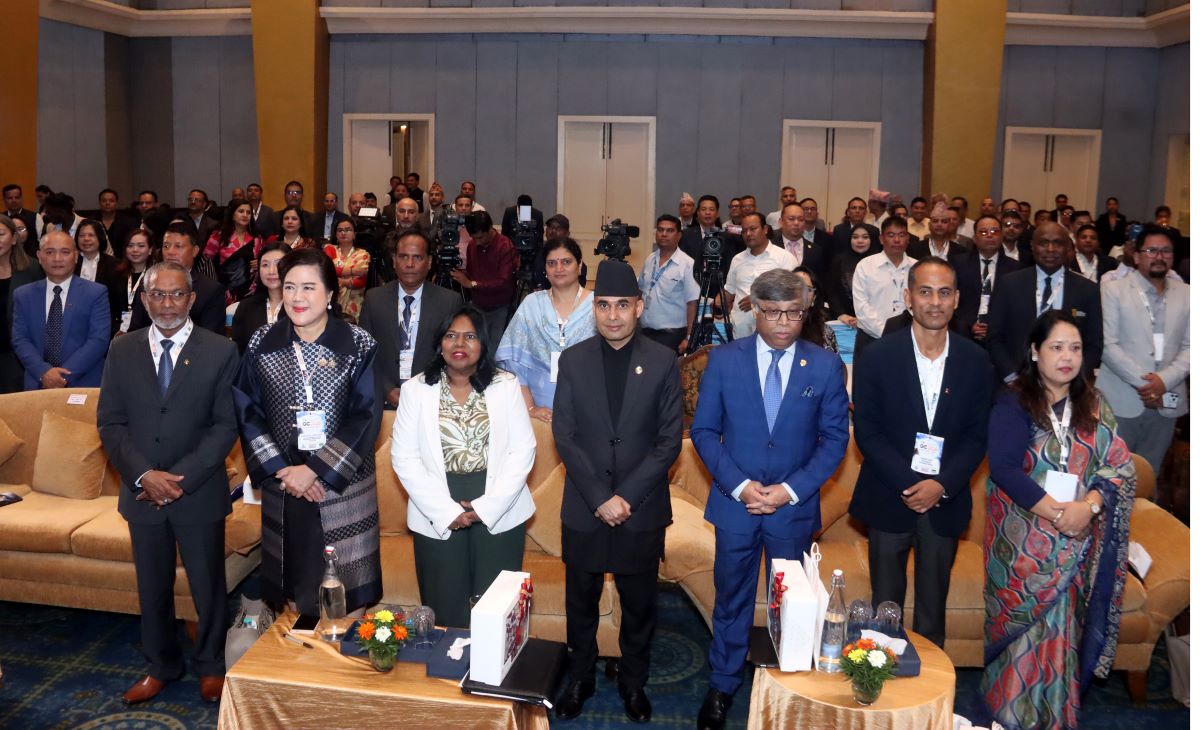
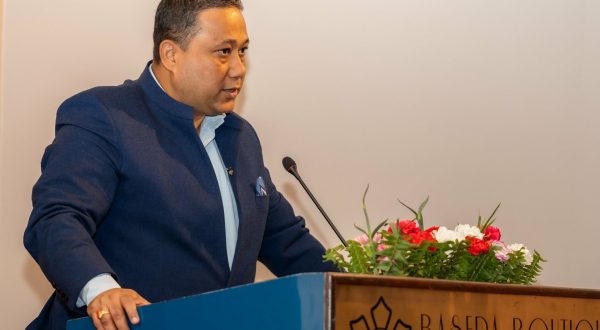
Kathmandu— Nepal’s Minister for Information and Communication, Dr. Bikram Timilsina, addressed the 24th conference of the Asia Pacific Institute of Broadcasting Development (AIBD) in Kathmandu on August 25, emphasizing that freedom of expression, press freedom, citizens' right to information, and public interest must remain central as the communication sector rapidly evolves with new technologies like artificial intelligence. The minister highlighted the need for responsible journalism, factuality, and accountability alongside technological advancements, while also acknowledging the crucial role of media during crises and natural disasters. The conference, jointly organized by Public Service Broadcasting Nepal and the Association of Community Radio Broadcasters Nepal (ACORAB), brings together representatives from approximately 40 countries.
Balancing Freedom with Responsibility
Dr. Timilsina underscored that while freedom is paramount in the media sector, it comes with a corresponding responsibility to disseminate accurate, fair, balanced, and accountable information. He argued against restrictive measures like bans as solutions to misinformation or propaganda, instead advocating for strengthening robust journalism. The minister also noted the vital role of the media during crises – particularly concerning public health – and natural disasters in covering issues of public concern.
Navigating New Technologies
The Communications Minister acknowledged that AI, digital platforms, mobile connectivity, and streaming services are fundamentally changing how content is produced, distributed, and consumed. However, he cautioned that modern technology should not replace human editorial decisions, fact-checking, accountability, or professional ethics. He emphasized that while AI can assist in content creation, the ultimate responsibility for accuracy and public interest remains with humans, particularly given the potential for 'deepfake' technology to spread false information.
Community Radio’s Vital Role
Dr. Timilsina highlighted Nepal’s pioneering role as the first South Asian country to establish independent community radio, beginning with Radio Sagarmatha. He noted that these stations connect diverse communities across the nation and provide a platform for voices often excluded from public debate. During times of disaster, crisis, and health emergencies, he stated, community radio has proven invaluable in delivering immediate and reliable information in local languages.
Building Trust Through Credibility
The minister stressed that digital transformation requires not only adopting new technologies but also strengthening credibility, journalistic professionalism, fact-checking, public accountability, and citizens’ trust. He asserted that public service broadcasting must establish itself as a trusted source of accurate information in the face of increasing misinformation and AI-generated content. Furthermore, he emphasized the importance of connecting with younger generations through digital platforms and including diverse voices in public broadcasting.
International Collaboration
Given that challenges like misinformation, climate change impacts, and natural disasters transcend borders, Dr. Timilsina advocated for international collaboration in sharing knowledge, technology, and experiences. Representatives from around 40 countries across the Asia-Pacific region, Europe, and Africa are participating in the AIBD conference to facilitate this exchange.
The AIBD conference is expected to continue with discussions on leveraging new technologies while upholding journalistic integrity and expanding access to reliable information for all citizens.
(With inputs from RN)
Originally published on abcnews.com.np.


प्रतिक्रिया दिनुहोस्