

Kathmandu— Fueled by widespread public frustration with endemic corruption, Nepal’s recently elected government faces mounting pressure to rapidly implement anti-corruption measures and recover illicit assets. The new administration, backed by the “Gen Z uprising” of September 2025, was mandated to prioritize tackling corruption through fast-track legal processes targeting individuals suspected of commission and abuse of power—a challenge that has eluded successive governments since Nepal’s democratic transition in 1990. This push for immediate action is seen as critical, drawing parallels to historical moments where decisive leadership led to national unity and strong governance.
Historical Patterns of Impunity
Corruption has long been a persistent threat to development and democracy in Nepal, exacerbated by weak institutional oversight, political protection, and delays in judicial accountability. Legal cases involving corruption suspects have frequently stalled since the country’s transition to democracy, particularly following the end of the monarchy in 2008 and the subsequent era of cyclical coalition governments. This contrasts sharply with countries like China, where President Xi Jinping launched a large-scale anti-corruption campaign immediately after assuming power in 2012, disciplining over a million officials.
The ‘Striking While Hot’ Imperative
Analysts are urging the current youth-led government to act swiftly, emphasizing that opportunities for profound change can quickly fade. The principle of ‘seizing the moment’—analogized to blacksmiths shaping red-hot metal before it cools—is seen as particularly relevant. This “now or never” approach is considered a tipping point where systemic crises demand immediate transformative decisions and accountability for those involved in corruption, serving as an acid test for the new government.
Lessons From Past Leadership
The current administration is cautioned to learn from the failures of previous governments, which were plagued by incompetence, ethical lapses, and a culture of compromise. The author points to King Birendra’s weak rule and the subsequent instability following the Maoist insurgency as examples of how ineffective leadership can exacerbate corruption and hinder development. In contrast, Nepal’s founding father, Prithvi Narayan Shah, is lauded for unifying the country while prioritizing justice and condemning bribery.
Risks of Delay and Inaction
Delaying action risks irreversible policy failures, erodes public trust, and allows corrupt individuals to exploit any slowness in prosecution. Voters are demanding tangible results rather than mere rhetoric, and a failure to deliver could quickly diminish the government’s political capital. The author warns that too much deliberation or strategic planning can lead to missed opportunities, while simply identifying problems without implementing solutions is insufficient. Furthermore, past successes in winning elections do not guarantee an ability to effectively govern.
Complementary Roles of State Bodies
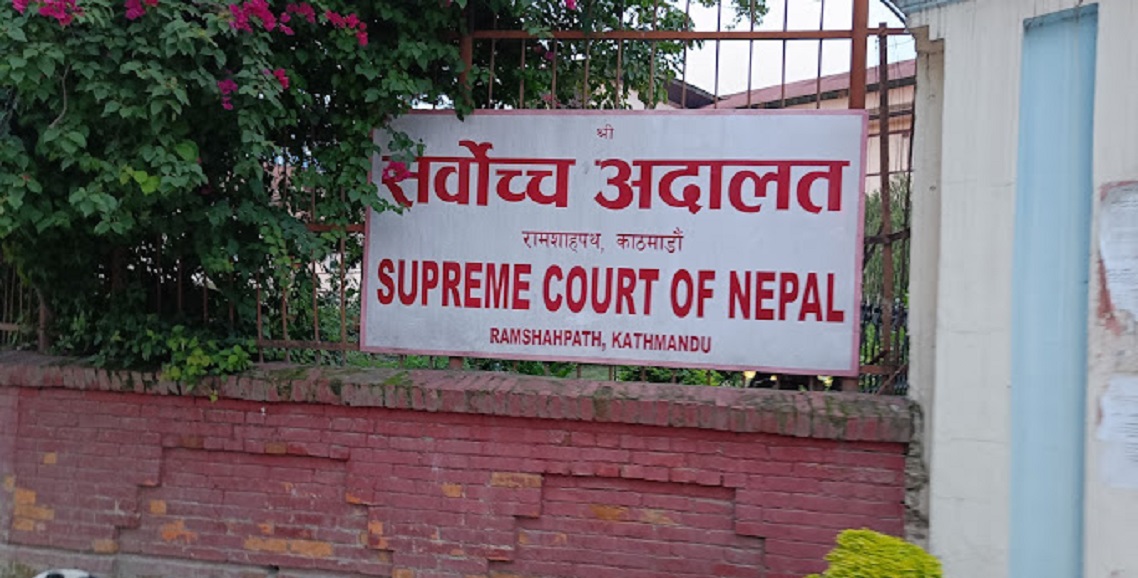
The article stresses the importance of coordinated action between Nepal’s constitutional bodies—the Commission for the Investigation of Abuse of Authority (CIAA), the judiciary, the legislature, and the executive—to ensure timely justice. Judicial hesitancy or bias, coupled with executive inaction, can undermine efforts to combat corruption and uphold the rule of law. The maxim ‘justice delayed is justice denied’ underscores the need for conclusive legal action and redress.
The effectiveness of the current government will be judged on its ability to translate promises into concrete results, addressing a long-standing issue that has hampered Nepal’s progress and undermined public trust.
Originally published on abcnews.com.np.




प्रतिक्रिया दिनुहोस्