

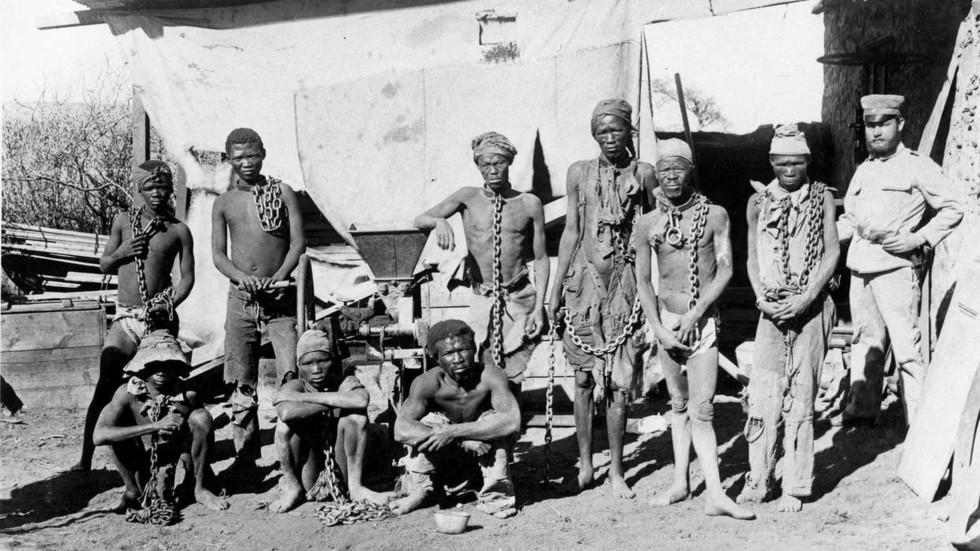
Kathmandu— In Namibia, descendants of the Herero and Nama peoples are mounting a legal challenge against a 2021 agreement between Germany and the Namibian government regarding reparations for the early 20th-century genocide committed by German colonial forces. The communities argue that they were excluded from negotiations and that the €1.1 billion aid package offered by Berlin is insufficient and does not constitute legally binding reparations, while Germany maintains it acted within international legal frameworks despite acknowledging the atrocities as ‘genocide from today’s perspective.’ This dispute centers on whether sovereign states can settle historical grievances without the direct consent of affected indigenous communities, setting a precedent for other former colonial powers.
Historical Context of the Genocide
In 1904, German Imperial forces launched a brutal campaign against the Herero people following an uprising against land dispossession and colonial rule. General Lothar von Trotha issued an extermination order declaring that every Herero would be shot, leading to the systematic driving of tens of thousands into the Omaheke Desert where they were left to die from thirst and starvation. The Nama people, who rebelled shortly after, faced similar treatment including imprisonment in concentration camps at places like Shark Island, subjected to forced labor and horrific conditions. By 1908, an estimated 70,000 Herero and Nama individuals – roughly 80% of the Herero population and 50% of the Nama population – had perished in what is now widely recognized as the first genocide of the 20th century.
Germany’s Evasion of Legal Liability
Despite acknowledging the atrocities, Germany has sought to avoid legal liability by invoking intertemporal legal loopholes, arguing that international law against genocide did not exist at the time of the events in 1904. Instead of offering legally binding reparations directly to survivors or their descendants, Berlin negotiated a state-to-state agreement with Namibia, committing €1.1 billion over thirty years for development projects. This approach contrasts sharply with Germany’s response to claims stemming from the Holocaust, where direct legal liability and ongoing financial reparations have been consistently maintained.
Legal Challenge and International Support
Traditional leaders representing the Ovaherero Traditional Authority (OTA) and the Nama Traditional Leaders Association (NTLA) launched a legal challenge in the Namibian High Court to invalidate the 2021 Joint Declaration. They contend that the Namibian government failed to uphold its duty to protect their rights by excluding them from negotiations. Amnesty International has also filed court papers seeking to join the litigation as ‘amicus curiae,’ arguing that state-to-state agreements cannot supersede the rights of indigenous communities to seek full reparations under international law. The African Union and CARICOM are actively working to dismantle the legal defenses used by former colonial powers to avoid reparatory claims.
A Precedent for Future Claims
The ongoing legal battle in Namibia is being viewed as a test case for other former colonial powers facing demands for reparations. By challenging the deal struck between Germany and Namibia, the Herero and Nama communities are establishing the principle that sovereign states cannot unilaterally settle historical debts without the direct inclusion and consent of victim communities. As the African Union pushes to codify colonial atrocities into international law, this case could have far-reaching implications for how former empires address their past wrongs.
The Namibian High Court is expected to hear arguments in the coming months, with the outcome potentially setting a new legal precedent for addressing historical injustices stemming from colonialism and genocide.
(With inputs from RT)
Originally published on abcnews.com.np.





प्रतिक्रिया दिनुहोस्