

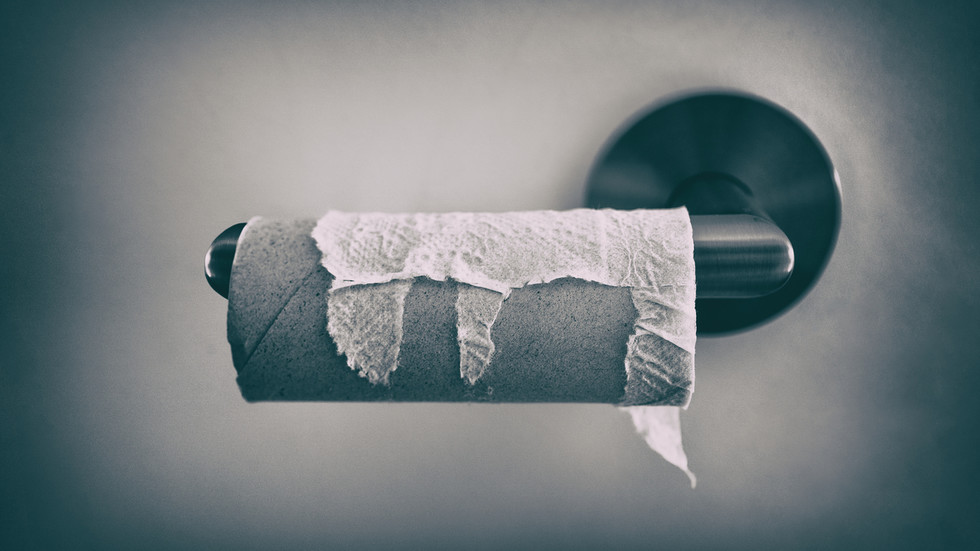
Kathmandu— A widening trade dispute between the United States and Canada is extending to everyday consumer goods, with new tariffs on paper products threatening to increase prices for toilet paper, facial tissue, and other essentials in the US. The escalation follows the collapse of trade talks last Friday, prompting President Donald Trump to impose 50% tariffs on $20 billion worth of Canadian imports, which Canada has vowed to match “dollar for dollar” with duties on approximately 700 American products.
Canada Targets Key Paper Imports
Paper products are among the sectors most affected by Canada’s retaliatory measures, with tariffs ranging from 25% on toilet paper and facial tissue to 50% on paper towels, napkins, and chemical wood pulp. This is significant as Canada is a major supplier of these goods to the US, providing $383.4 million worth of toilet paper imports in 2025 – approximately two-thirds of the total imported by the United States. Mexico ranked second with $63 million in exports.
US Reliance on Canadian Pulp
Beyond finished products, Canada also dominates the supply of crucial raw materials for US paper manufacturing. Canadian pulp accounts for roughly 30% of US toilet paper and 50% of paper towel production, particularly northern bleached softwood kraft pulp (NBSK). The imposition of a 50% tariff on this key material could significantly increase costs for American manufacturers.
Consumer Impact and Tissue Consumption
Analysts predict that the tariffs will likely be passed on to consumers, potentially leading to price increases for essential paper goods. The US is one of the world’s largest consumers of tissue products, with the average American using approximately 141 rolls of toilet paper annually – surpassing even Germany in per capita consumption. According to a 2019 report by the Natural Resources Defense Council, the US accounts for over 20% of global tissue consumption, meaning even modest price hikes could have a substantial cumulative effect.
Political Motivations and Potential Resolution
Canadian Industry Minister Melanie Joly stated that the counter-tariffs are intended to protect Canadian businesses while also exerting political pressure on the US ahead of the November 3 midterm elections. However, some observers remain hopeful that a resolution can be reached before the tariffs fully take effect. Christopher Sands, head of the Center for US-Canada Studies at Johns Hopkins University, noted that the delay in implementation – with Canada’s tariffs not taking effect until September 8 – provides a window for renewed negotiations.
Broader Range of Affected Goods
Toilet paper is just one item among many impacted by the escalating trade war. Both countries have imposed duties on a wide array of products, including fish, cheese, clothing, cosmetics, steel, aluminum, motorcycles, smartphones, and exercise equipment, signaling a broad-based dispute with potentially far-reaching consequences.
With Canada’s retaliatory tariffs set to begin September 8th, the coming weeks will be critical in determining whether the US and Canada can resume negotiations and avert a full-scale trade war.
(With inputs from RT)
Originally published on abcnews.com.np.




प्रतिक्रिया दिनुहोस्