

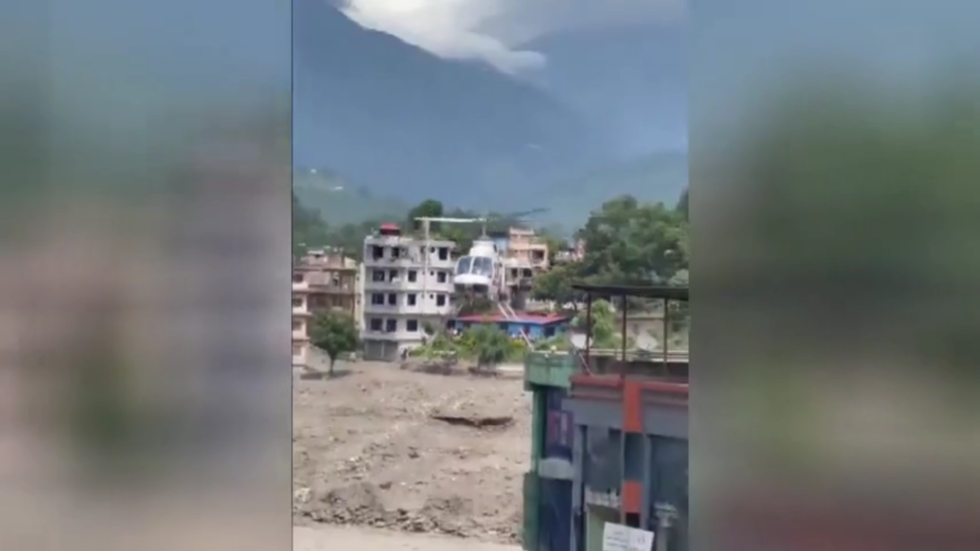
Kathmandu— A massive flash flood swept through areas along the border between Nepal and China on Wednesday, killing more than 270 people and leaving thousands missing as of Thursday morning. The disaster has prompted large-scale rescue operations from both countries, with Nepal reporting 826 missing individuals – including members of its own security forces – and China reporting 558 missing in Tibet. The flooding destroyed towns and villages, washing away infrastructure and leaving many stranded amidst thick mud, while a newly formed barrier lake in Tibet poses additional challenges to rescue teams.
Devastation Across Nepal
Nepal’s National Disaster Risk Reduction and Management Authority confirmed that the Nuwakot and Rasuwa districts were hardest hit by the floods. Among those missing are 44 Nepalese Army personnel, 28 police officers, and 13 members of the Armed Police Force. Army and private helicopters have been deployed to rescue survivors, successfully bringing around 100 people to safety so far, according to Brigadier General Raja Ram Basnet, a spokesperson for the Nepali Army. Rescue teams also assisted those trapped within facilities belonging to the Trishuli hydropower project.
International Aid Arrives
At least eight foreign nationals have been airlifted to Kathmandu with assistance from the Nepalese Army. The government estimates approximately 500 additional foreign nationals are currently unaccounted for, many of whom were on pilgrimage to Mansarovar in Tibet. Nepal’s Foreign Minister Shisir Khanal stated that authorities are actively coordinating with foreign embassies regarding these missing individuals, emphasizing a commitment to their safety and well-being. India has already delivered 10 tons of relief supplies, including temporary shelters and medical provisions, with a second flight carrying additional aid dispatched Thursday morning. The US and the World Bank have also pledged support, with the latter offering up to NPR 25 billion (approximately $165 million) in emergency assistance.
China’s Response and Emerging Risks
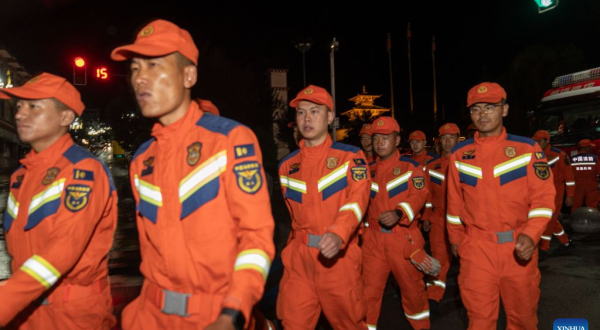
China has deployed 111 emergency rescuers to Gyirong Port in Xizang, equipped with detection, life-saving, demolition, communication, and support equipment. The team traveled from Chengdu by air, landing at Dingri Airport in Shigatse after roads were rendered impassable due to the flooding. The People’s Liberation Army has also dispatched a group to oversee military rescue operations, including aviation, medical, transportation, and engineering units. Authorities have identified the formation of a barrier lake approximately 2.5 km from Gyirong Port as a significant obstacle to ongoing rescue efforts.
Focus Shifts to Rehabilitation
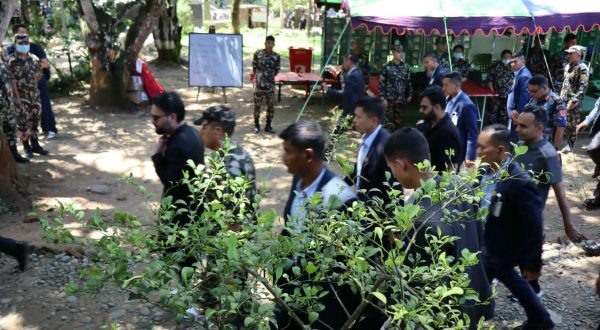
Nepalese Prime Minister Balendra Shah and Infrastructure Development Minister Sunil Lamsal traveled to Bidur, in Nuwakot, on Thursday to assess the damage firsthand and discuss relief and rehabilitation plans. Hemraj Aryal, a spokesperson for the Prime Minister’s Office, emphasized that “rehabilitation is the major concern,” adding, “The main thing is revitalizing and re-engaging the people in the society.” Aryal acknowledged that reconnecting roads will be a lengthy process given the scale of the devastation.
Rescue operations are ongoing in both Nepal and China as authorities continue to search for missing individuals and assess the full extent of the damage. The focus is now shifting towards providing long-term support and rebuilding infrastructure in the affected areas.
(With inputs from RT)
Originally published on abcnews.com.np.

प्रतिक्रिया दिनुहोस्