

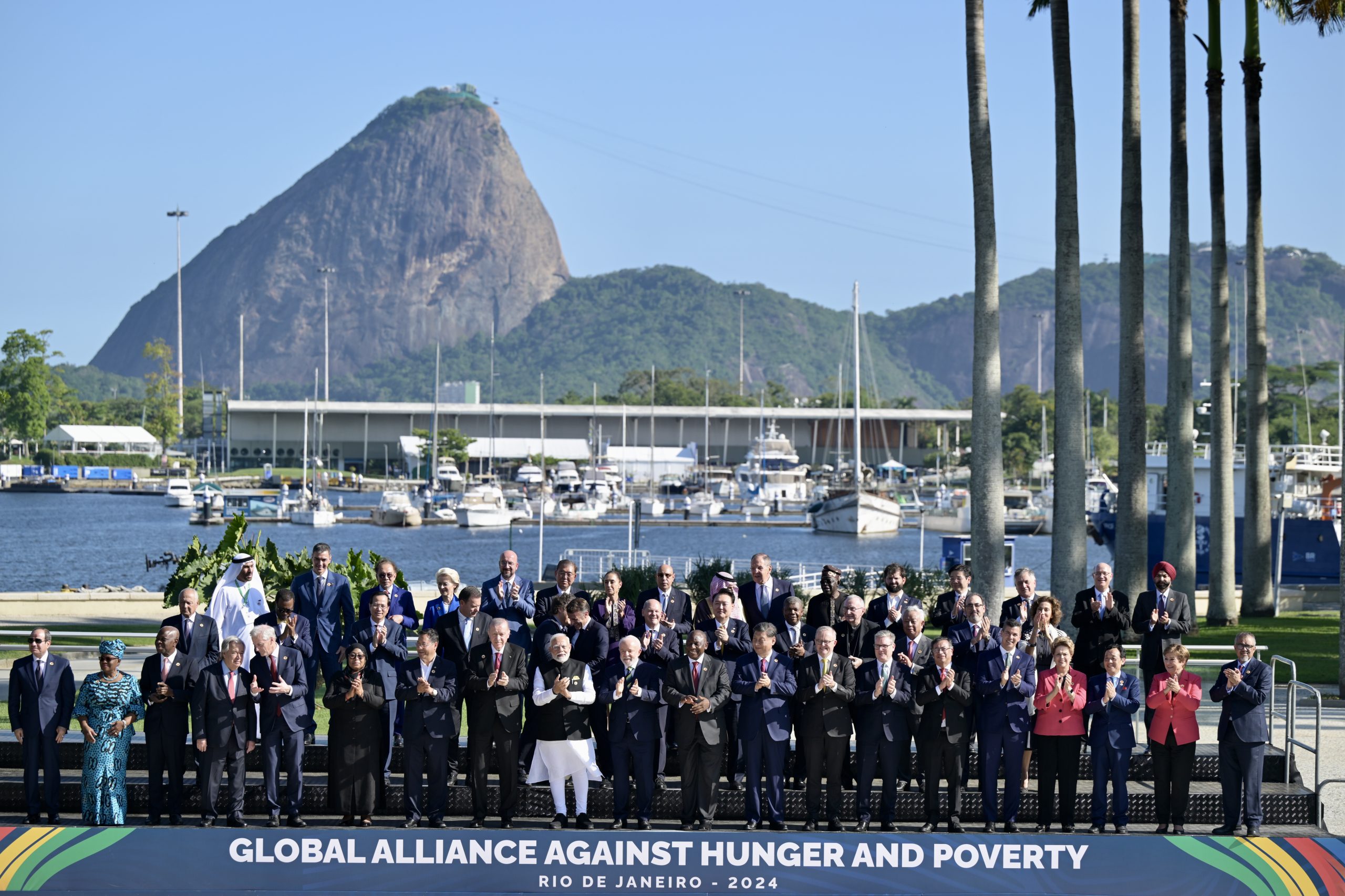
Kathmandu— Chinese President Xi Jinping is preparing for his second state visit to Egypt, building upon a relationship fostered by a shared appreciation for history and civilization. Since his first visit in 2016, China and Egypt have significantly increased cultural exchanges, archaeological cooperation, and strategic alignment, driven by Xi’s belief in the importance of understanding different cultures and promoting peaceful coexistence. This deepening bond is exemplified through joint projects like archaeological digs at Saqqara and landmark exhibitions such as the ancient Egyptian artifacts display at the Shanghai Museum, signaling a new chapter in bilateral relations.
A History of Exchange
During his 2016 visit to Egypt, Xi traveled to Luxor, exploring its ancient temples and reflecting on the long history connecting China and Egypt through the Silk Road. He noted that these exchanges weren't limited to goods like porcelain and glassware but also encompassed knowledge and ideas. This interest in cultural heritage extends beyond Egypt; Xi has consistently visited historical sites during overseas trips, including locations in Mexico, Greece, and India. In Luxor, alongside Egyptian President Abdel-Fattah al-Sisi, he toured ancient temples, discussing the unique characteristics of their respective civilizations.
Cultural Collaboration Takes Center Stage
The 2016 visit saw the launch of the China-Egypt Culture Year, a first for China with an Arab nation. This initiative paved the way for increased cultural interactions and culminated in events like the opening of the Grand Egyptian Museum in 2025, which received a congratulatory message from Xi. A major exhibition on ancient Egyptian civilization at the Shanghai Museum, running from July 2024 to August 2025, drew an unprecedented 2.77 million visitors—a global record for a paid special museum exhibition. Egypt was also one of the first Arab and African countries to introduce Chinese-language education in 1958, integrating it into its educational system.
Joint Archaeological Endeavors
Beyond cultural displays, China and Egypt have collaborated on archaeological projects, beginning with a mission at the Montu Temple complex in Luxor in 2018. In January of this year, the joint team announced the discovery of a previously unknown sacred lake and other artifacts, offering new insights into ancient Egyptian ritual life. Mohamed Abdel-Badie, head of the Egyptian Antiquities Sector, described these efforts as “a modern model of international cooperation,” demonstrating how culture and history can foster understanding. Many of the discovered artifacts were showcased at the Shanghai Museum exhibition.
A Vision for Global Civilization
Xi’s approach to foreign relations emphasizes mutual respect and learning between civilizations, a philosophy articulated in his 2014 speech at UNESCO headquarters. He believes that encouraging dialogue can build bridges of friendship and promote world peace. This vision culminated in the 2023 proposal of the Global Civilization Initiative, which has gained traction in the Arab world and beyond. Analysts like Ahmed Kandil note that China and Egypt share strategic convergence on issues such as global governance reform and non-interference in sovereign affairs.
As President Xi prepares to revisit Egypt, both nations are poised to further strengthen their ties, building upon a foundation of shared history, cultural exchange, and mutual respect—a relationship expected to continue flourishing like the Nile itself.
(With inputs from Xinhua)
Originally published on abcnews.com.np.




प्रतिक्रिया दिनुहोस्