

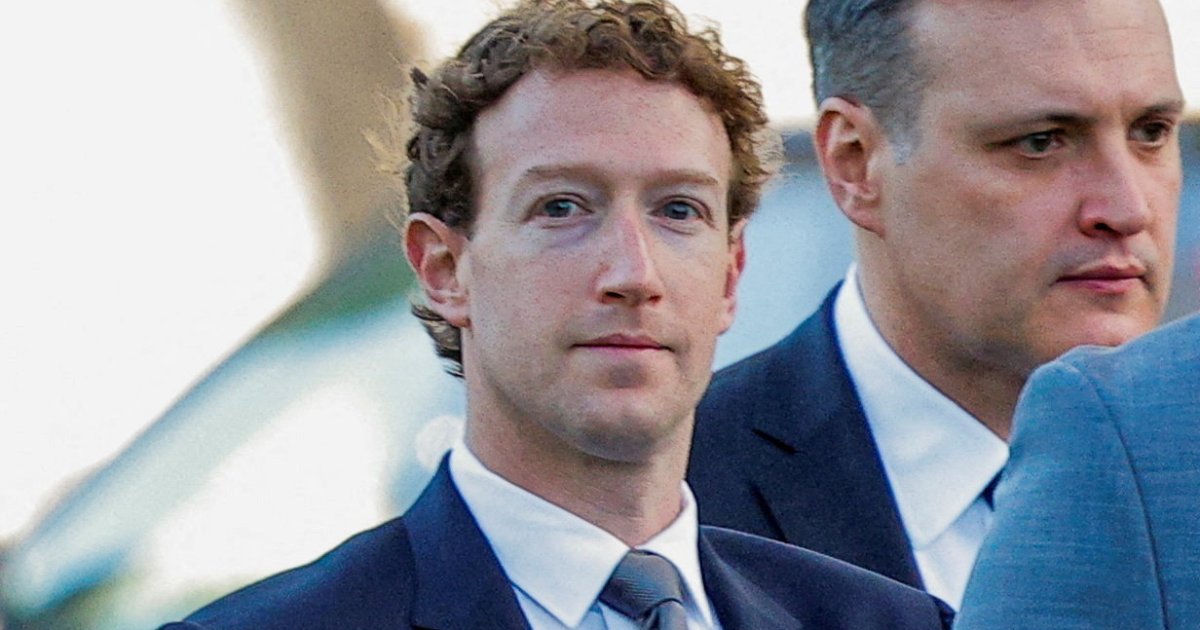
Kathmandu— A group of US parents whose children died after experiencing harm linked to social media platforms voiced their frustration over Meta’s recent $18 billion settlement in a multi-state lawsuit, arguing it prioritized the company's interests over transparency and accountability. The suit alleged design flaws in Facebook and Instagram led to addiction, cyberbullying, exposure to drug dealers, and other abuses; however, parents say the agreement prevented them from accessing crucial internal documents detailing Meta’s awareness of these risks. The settlement was reached last week after hearings began in Oakland, California, where 29 states had sued Meta seeking up to $200 billion in fines and changes to its business practices.
The Pandemic's Impact on Vulnerable Teens
Erin Popolo’s 16-year-old daughter Emily began battling worsened mental health issues after classmates cyberbullied her on Facebook and Instagram during the COVID-19 pandemic. Emily, who struggled with social connection, had joined the platforms seeking friendship but reported negative comments using the report button to no avail. She died by suicide a few months later at age 17. Similarly, Mary Rodee’s 15-year-old son took his own life after being targeted by online extortionists, and Lori Schott lost her 18-year-old daughter Annalee, who felt inadequate due to constant negative messaging on Instagram.
Settlement Terms and Parental Concerns
The $18 billion settlement includes commitments from Meta to increase protections for young users, such as two-hour time limits and nighttime/schooltime blocks. However, parents argue these measures are insufficient and fail to address core issues like addictive design features and algorithmic transparency. Mary Rodee stated they were “robbed of seeing the evidence” due to the settlement, while Lori Schott expressed a desire for less addictive designs including limits on infinite scroll and autoplay streaks – features she believes ‘keeps kids online.’
Internal Documents Revealed Meta's Awareness
The states’ case revealed internal documents demonstrating that Meta executives were aware of security loopholes in their platforms. During testimony, Instagram CEO Adam Mosseri acknowledged the existence of a pop-up feature encouraging teen users to take breaks from scrolling, but admitted that only 1-2% actually used it after being questioned by Jason Slothouber from the Colorado attorney general’s office. The settlement was reached before Mosseri could continue his testimony.
Beyond Cyberbullying: Drug Dealers and Extortion
Parents described harrowing experiences beyond cyberbullying, including children contacted by drug dealers and overseas extortion gangs through fake accounts. In upstate New York, 15-year-old Riley Rodee died by suicide after being threatened with the release of compromising photos he sent to individuals posing as a teenage girl online. Deb Schmill’s 15-year-old daughter Becca was raped after meeting someone in an online chat group and subsequently cyberbullied before dying from a fentanyl overdose.
Ongoing Legal Battles and Future Advocacy
While Meta stated it will look to other platforms for similar change, parents are continuing their fight for greater accountability. Amy Neville is part of a group pursuing a similar case against Snapchat in Los Angeles, with hearings scheduled for November 2027. Matthew Bergman, representing many of the families, emphasized their unwavering commitment to justice, noting that some traveled from abroad to attend the US hearings. Maurine Molak, whose son died by suicide after being bullied on Instagram, expressed a desire to prevent future harms rather than simply pursuing trials.
Popolo plans to continue advocating for federal legislation to address social media safety, believing the fight is far from over and that continued pressure is needed to protect vulnerable children.
(With inputs from Al Jazeera)
Originally published on abcnews.com.np.



प्रतिक्रिया दिनुहोस्