

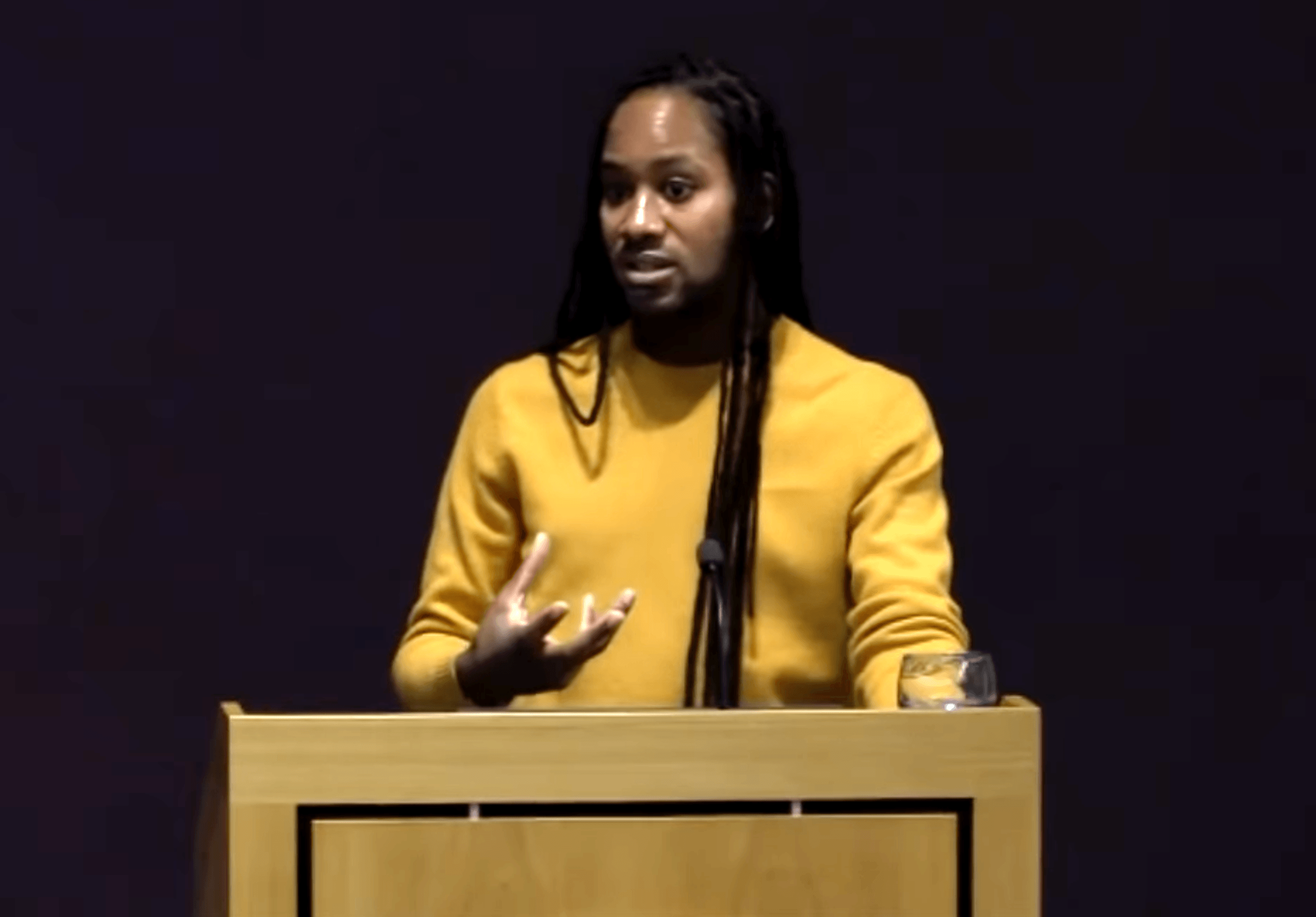
Kathmandu— The death of Jason Arday has sparked controversy and prompted scrutiny of the role played by several prominent liberal news outlets in his public destruction. Following allegations of plagiarism, The Guardian, The New York Times, and The Atlantic each published pieces defending their reporting or framing the tragedy as a consequence of personal failings, while simultaneously positioning themselves outside the systems of power that contributed to Arday’s ordeal. Critics argue these interventions reveal a troubling pattern of institutional self-defense and a failure to acknowledge the media's own complicity in creating conditions for his tragic death.
A Pattern of Institutional Defense
Three recent responses – from The Guardian, a Michelle Goldberg op-ed in The New York Times, and an article by Graeme Wood in The Atlantic – share a common thread: they acknowledge the tragedy while distancing themselves from the forces that led to it. These outlets defend their reporting as legitimate journalism while simultaneously failing to interrogate how their coverage contributed to Arday’s public humiliation and ultimate death. This approach, critics contend, legitimizes and normalizes the very systems that played a role in his demise.
The Violence of Objectivity
The author argues these publications employ a language that creates “zones of social abandonment,” rendering individuals invisible and severing them from the power structures shaping their lives. Arday is presented less as a complex human being and more as an object to be scrutinized, judged, and ultimately discarded. This distance and objectivity, while presented as journalistic truth-telling, obscures power dynamics and reduces a life shaped by struggle and vulnerability to accusations and failures. The piece emphasizes that journalism operates within a political vacuum, influenced by concentrated economic and cultural power.
Beyond Fact-Checking: The Spectacle of Exposure
While acknowledging the legitimacy of investigating plagiarism allegations, the author contends that legitimate investigation can mutate into spectacle, transforming into sustained public prosecution. The question isn’t simply whether stories are factually justified, but what happens when media outlets cease to see individuals as humans caught within complex systems and instead reduce their lives to a “deadening logic of the spectacle.” This is particularly concerning given the increasing concentration of media ownership in the hands of billionaires like Jeff Bezos and Elon Musk, who wield immense agenda-setting power.
Racial Disparities and Double Standards
The author highlights a stark racial disparity in press coverage. A NewsCord Media audit revealed 249 articles published about Arday across British national media outlets within 22 days, compared to only half a dozen articles covering similar allegations against Cambridge historian William O’Reilly. This discrepancy suggests a pattern where the failures of Black scholars are amplified into national events while those of their white counterparts receive more contained professional adjudication. The author argues this disparity isn't necessarily intentional but is embedded within institutional patterns.
The Illusion of Neutrality
The article asserts that objectivity, in an institutional sense, doesn’t mean the absence of perspective but rather the authority to present one’s own perspective as no perspective at all. The liberal press routinely conceals its agency behind a facade of neutrality, presenting itself as a transparent window onto reality. This allows it to avoid scrutiny of its own power and influence, framing selection as “news judgment” and repetition as “public interest.”
A Failure of Self-Reflection
The author criticizes the liberal press for refusing self-scrutiny, failing to acknowledge its own values and biases. This lack of reflection has profound consequences, allowing it to name racism everywhere except within its own institutional practices and hierarchies. The piece points to a leaked 2024 memo from The New York Times instructing journalists covering Israel’s war on Gaza to restrict certain language as evidence that objectivity is often a form of regulated vocabulary with inherent political implications.
Arday's death has prompted critical examination of the responsibilities and potential harms associated with media coverage, particularly concerning individuals facing public scrutiny. The debate over journalistic practices and institutional power dynamics continues.
(With inputs from CounterPunch)
More from the source

Originally published on abcnews.com.np.


प्रतिक्रिया दिनुहोस्