

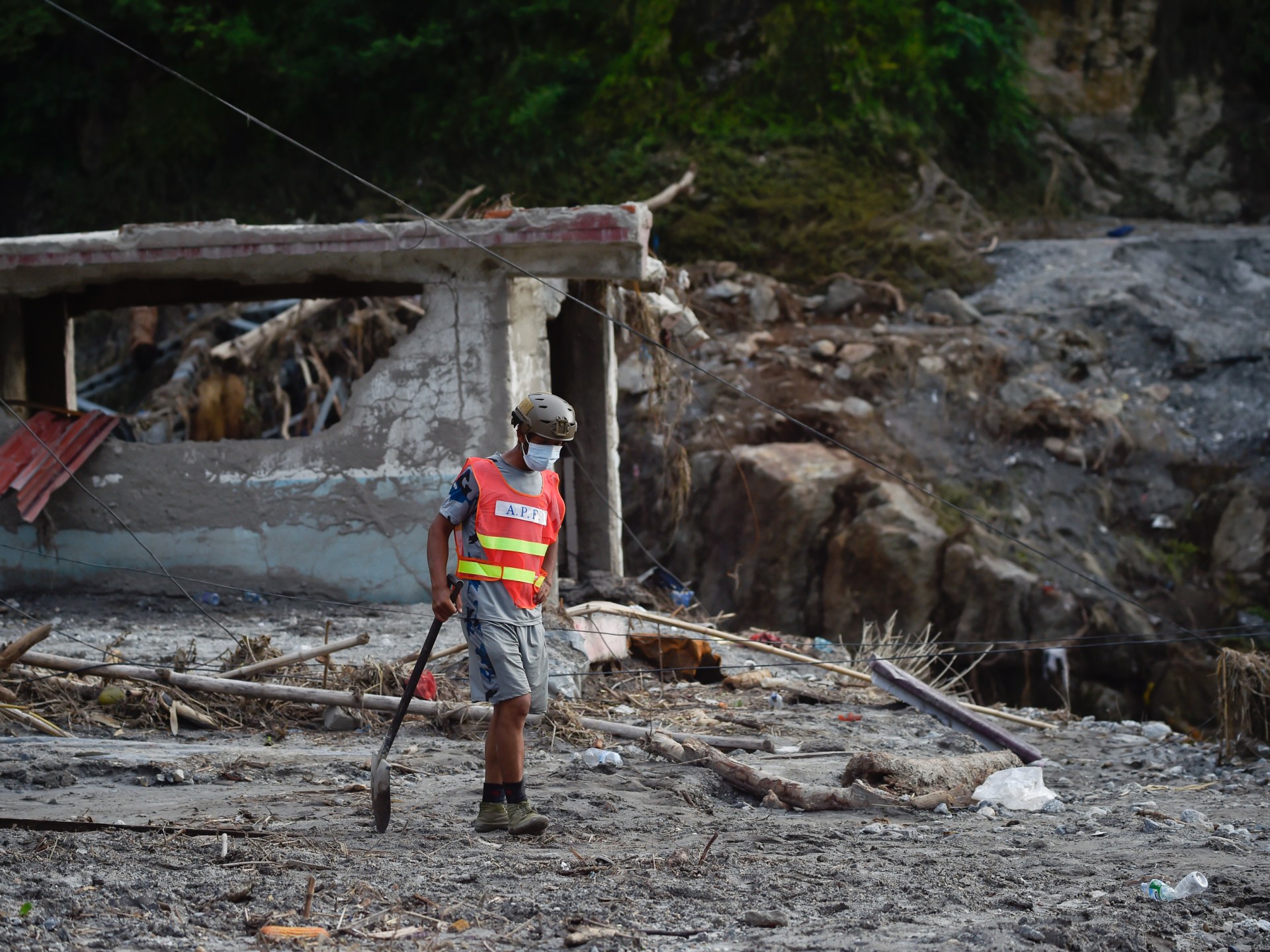
Kathmandu— Following a brief suspension prompted by concerns over a newly formed glacial lake, rescue teams in Nepal and Tibet have resumed searching for survivors of Wednesday’s devastating flash floods triggered by a glacier collapse in the Himalayas; the disaster has claimed at least 633 lives with nearly 3,000 people still missing across both countries. The initial surge swept through several districts in Nepal, raising river levels dramatically before crossing into Tibet, and authorities are now racing against time to reach isolated communities while monitoring the unstable lake that formed at the collapse site.
Rising Death Toll and Missing Persons
Nepal’s police reported Saturday that the death toll within the country has climbed to 626. The nation's disaster authority stated a total of 2,426 people remain missing on the Nepalese side of the border, including 517 foreign nationals—a figure encompassing both tourists and workers. In Tibet, Chinese authorities have confirmed at least seven deaths with 554 individuals still unaccounted for.
Temporary Halt to Rescue Operations
Search efforts were temporarily paused due to the formation of a new lake at the site of the glacier collapse, raising fears of a secondary flood event. However, operations resumed after authorities assessed that the risks associated with the lake were manageable. Alton Byers, a glacial-hazards scientist at the University of Colorado Boulder’s Institute of Arctic and Alpine Research, cautioned that the barrier containing the new lake is highly unstable, consisting of loose debris.
International Assistance Arrives
Nepal has requested specialized assistance from India and China to bolster its rescue operations, with teams including tunnel rescue experts expected to arrive Saturday. According to Al Jazeera’s Minelle Fernandez reporting from Kathmandu, Nepal initially hesitated to request aid due to concerns about the logistical challenges of coordinating large-scale rescue efforts. International aid has also arrived from the UN, the Red Cross Federation, Australia, South Korea and the US. Chinese Premier Li Qiang visited the disaster zone in Gyirong on Thursday, while President Xi Jinping directed officials to strengthen monitoring of glacial lakes.
Glacier Collapse and Initial Impact
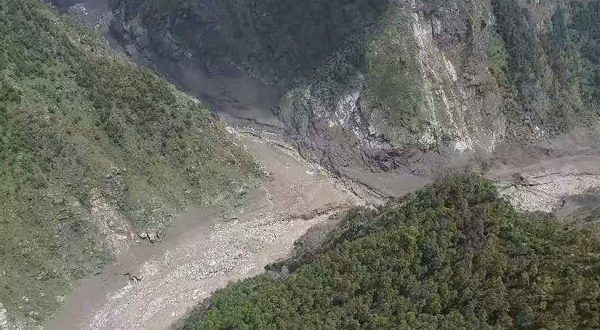
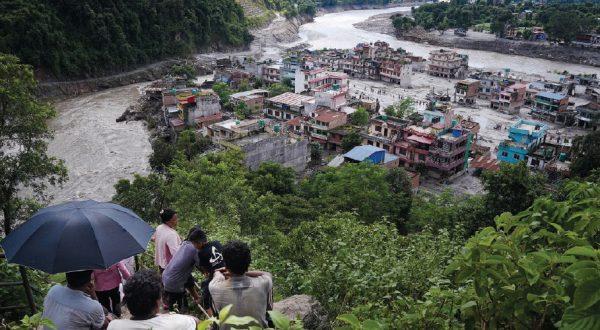
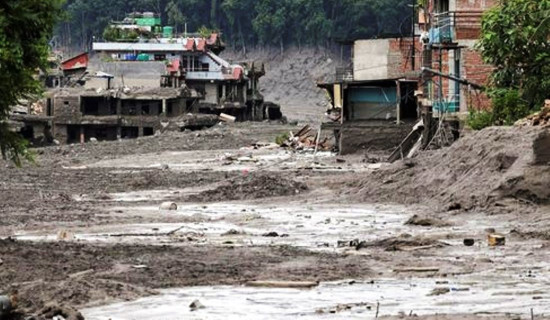
The catastrophe unfolded Wednesday morning when a portion of a glacier collapsed at an altitude of approximately 5,200 metres. The resulting avalanche of ice, rock, and debris descended roughly 1,200 metres before impacting the Lende River. The surge traveled south through Nepal’s Rasuwa, Nuwakot, and Dhading districts, causing the Trishuli River to rise by nine metres in just thirty minutes. Initial reports suggesting an earthquake as a trigger were revised by the US Geological Survey, which determined that the seismic signal originated from the landslide itself.
Officials warn that the death toll is likely to continue rising as rescue teams gain access to previously isolated areas cut off by damaged infrastructure and mudslides.
(With inputs from Al Jazeera)
Originally published on abcnews.com.np.



प्रतिक्रिया दिनुहोस्