

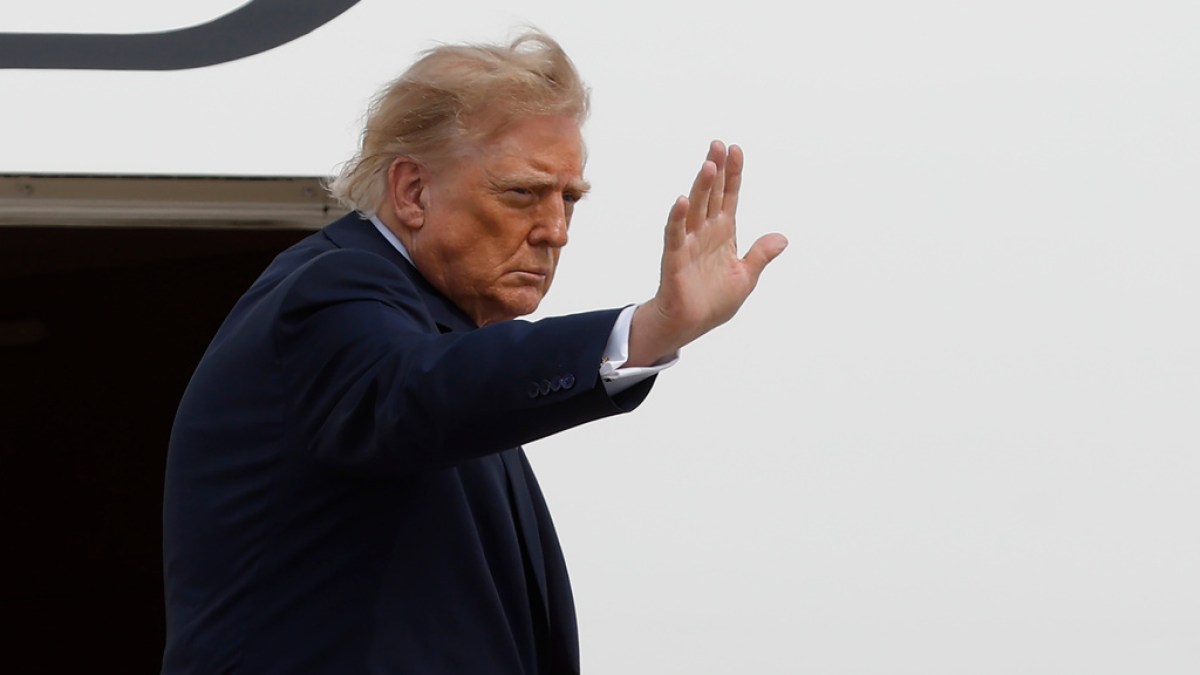
Kathmandu— The United States has reached a deal with Venezuela's interim President Delcy Rodriguez to gain majority control of more than 65 billion barrels of the South American nation's proven oil reserves. The agreement, announced by former President Donald Trump, comes after a series of dramatic events including the removal of socialist President Nicolas Maduro and installation of Rodriguez as his replacement. While lauded by Washington as a boost to US energy supplies and economic stability, the deal has drawn criticism for potentially violating international law and resembling a seizure of Venezuelan resources.
Extent Of Oil Reserves
The agreement reportedly involves 65 billion barrels of Venezuelan oil reserves, representing roughly a fifth of the country’s total proven reserves. As of 2023, Venezuela holds an estimated 303 billion barrels – the largest known deposit in the world, accounting for approximately 17 percent of global supply. However, some analysts question the accuracy of Trump's stated figure, suggesting it may be inflated to create a positive narrative around the deal.
US Oil Supply Impact
Trump claimed the deal would “more than double” American oil reserves, which stood at approximately 46 billion barrels by the end of 2024 and were declining. The US also maintains a Strategic Petroleum Reserve, currently holding only 289.7 million barrels out of a potential 714 million. Trump indicated this deal would help replenish those reserves, which had reached their lowest levels since 1982.
Road To The Agreement
The shift in US-Venezuela relations began with the removal of Nicolas Maduro in January following years of political tension and accusations from Washington. Maduro now awaits trial on drug- and weapons-related charges in New York, while Trump backed Rodriguez as interim president. Following Maduro’s removal, the Trump administration announced it would take control of Venezuelan oil exports indefinitely, pressuring Rodriguez to comply with US demands.
Legal And International Concerns
Experts have denounced the US intervention as illegal under international law, which grants countries “permanent sovereignty” over their natural resources. The Trump administration justified its claim to Venezuelan oil based on historical fuel exploration and accusations that Venezuela had improperly nationalized the fossil fuel industry. Critics argue the deal echoes colonial-era resource extraction practices.
Framing And Responses
Trump has framed the agreement as a model for dealing with adversaries like Iran, touting it as a win for his “America First” platform and promising lower gas prices for US consumers ahead of midterm elections. Delcy Rodriguez also presented the deal positively, calling it “historic” and predicting significant investment in Venezuela’s infrastructure. She estimates the agreement will generate $209 billion in taxes and $100 billion in investments for Venezuela.
Deal Duration And Future Implications
Reports indicate the Venezuelan government has granted the US rights to utilize the oil reserves for a period of 100 years. Trump has also suggested applying this model – claiming resources through military power – to other countries, including Iran and Libya, raising concerns about potential future interventions.
The long-term implications of this deal remain uncertain, but it represents a significant shift in US energy policy and its relationship with Venezuela.
(With inputs from Al Jazeera)
Originally published on abcnews.com.np.



प्रतिक्रिया दिनुहोस्