

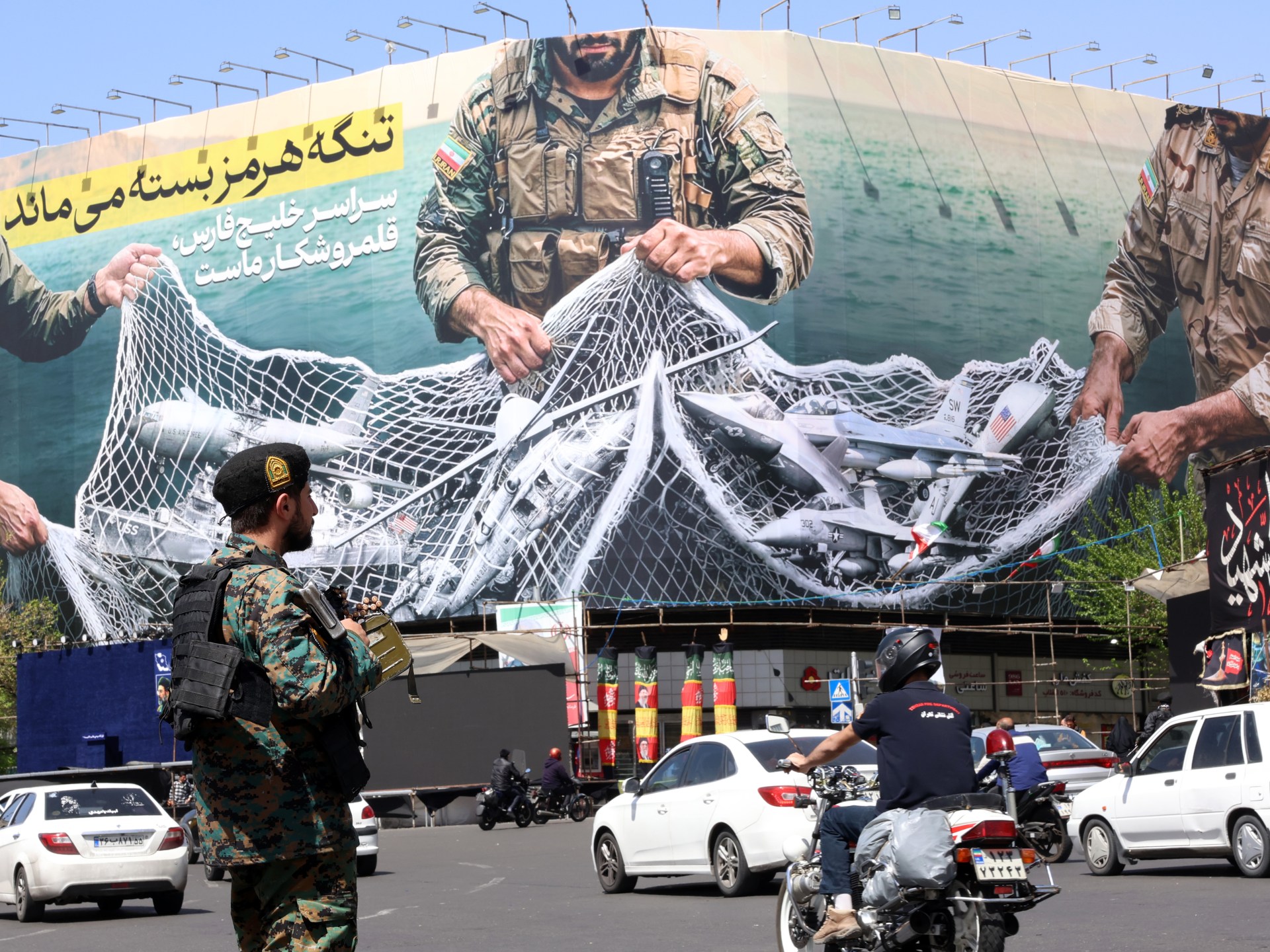
Kathmandu— Six months ago, a joint military operation by the United States and Israel targeted Iran, resulting in the deaths of key Iranian leaders including Supreme Leader Ayatollah Ali Khamenei. While the stated aims of the conflict – particularly regarding Iran’s nuclear capacity – have not been achieved, the war has triggered significant political repercussions for the governments involved, creating domestic unrest and impacting upcoming elections in all three countries.
US Political Landscape Shifts
The cost-of-living crisis was a key point of contention during the 2024 US election cycle, but gasoline prices have surged by 50 percent since the war with Iran began on February 28. President Donald Trump’s claims of an imminent deal to reopen the Strait of Hormuz have failed to bolster his struggling Republican Party ahead of November's midterm elections. Shibley Telhami, a government and politics professor at the University of Maryland, noted that “the economic cost of the war is becoming a key issue for many.” Reports suggest Trump initiated the unpopular war at the urging of Israeli Prime Minister Benjamin Netanyahu, with fewer than one in three Americans currently supporting the conflict.
Israel Faces Domestic Criticism
Israeli security analyst Ahron Bregman stated that Prime Minister Benjamin Netanyahu is viewed as having failed in Gaza, Lebanon, and now Iran. Many Israelis perceive the war in Iran as a major security error, contributing to his declining poll numbers. The US decision to sign a memorandum of understanding with Iran without Israeli involvement further fueled criticism from Netanyahu’s political opponents. Former Israeli government adviser Daniel Levy suggested that Netanyahu had hoped the war would be an “electoral game-changer,” but it has instead added to a pattern of overpromising and underdelivering. Despite this, many Israelis still believe Iran poses a fundamental threat.
Iran's Economy and Political Resilience
Despite facing sanctions and a US siege on its ports, the Iranian government remains in power, though the economy has been significantly impacted by the conflict. By April, Iran estimated war-related economic losses at $145 billion, with annual inflation reaching 66 percent last month. However, Shervin Malekzade, an academic specializing in Iran, believes these pains are “manageable,” citing a political and military system rooted in preserving Iranian sovereignty. Internal disagreements exist within the Iranian government regarding economic issues and future negotiations with the US.
Stalemate and Future Implications
Despite the challenges, none of the involved parties can afford to concede defeat; for Iran, the conflict has evolved beyond deterrence into a matter of survival. The failure of Trump and Netanyahu to achieve a quick victory will likely impact Republican performance in upcoming midterms. For Israel, Iran continues to be perceived as an existential threat.
The long-term consequences of this protracted conflict remain uncertain, but it is clear that the war has created significant domestic political challenges for leaders in all three nations involved.
(With inputs from Al Jazeera)
Originally published on abcnews.com.np.




प्रतिक्रिया दिनुहोस्