

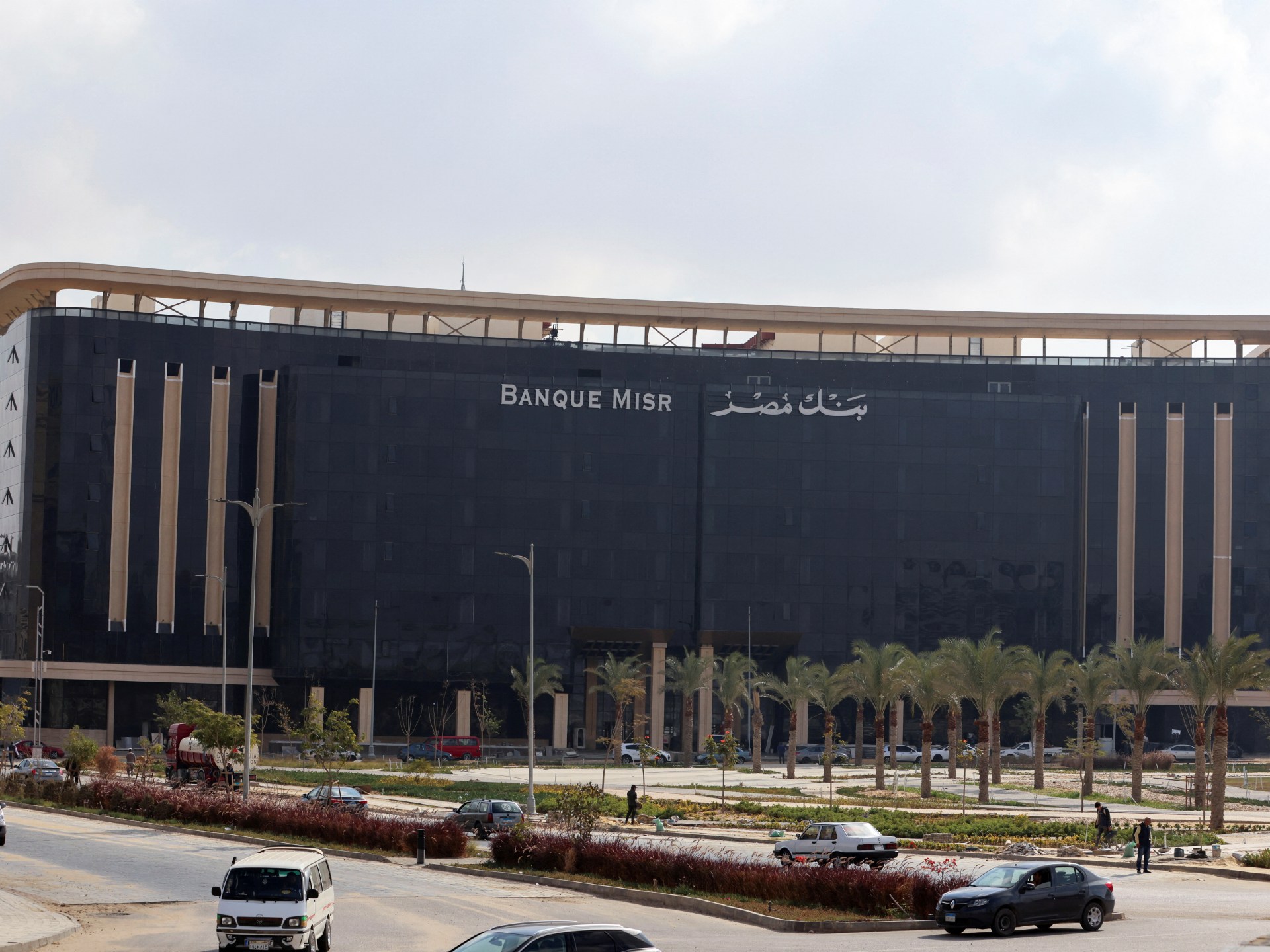
Kathmandu— The United States has taken action against Egypt’s second-largest bank, Banque Misr, alleging its UAE branch facilitated significant financial transactions for Iran, including those linked to the country's Ministry of Defence and Islamic Revolutionary Guard Corps. The move, announced Friday as part of “Operation Economic Outcast,” aims to cut off Tehran’s access to US dollars amid stalled negotiations over its nuclear program. The US Treasury Department plans to revoke Banque Misr UAE’s correspondent banking access, effectively barring it from transactions within the US financial system, estimating $1.8 billion was processed for potentially Iranian-linked companies between January 2024 and June 2026. The action follows broader sanctions targeting individuals and entities accused of supporting Iran's economic activities.
Sanctions Details and Impact
The US Department of the Treasury’s Financial Crimes Enforcement Network (FinCEN) proposed a rule revoking Banque Misr UAE’s access to US correspondent banking. This will prevent the bank’s UAE branches from conducting dollar-denominated transactions and accessing the US financial market. The Treasury alleges that between January 2024 and June 2026, Banque Misr UAE processed approximately $1.8 billion for 103 companies suspected of being part of Iranian shadow banking networks. According to the Treasury, Iran relies on these networks to access US dollars through correspondent banking relationships.
Bank and Government Responses
Banque Misr stated Saturday that it is reviewing the US Treasury’s notice, emphasizing its commitment to thoroughly examining the measures and associated data. The bank also announced plans to contact the US Treasury Department for further clarification while continuing to serve customers according to existing regulations. Egypt's Central Bank confirmed it is working with the Ministry of Foreign Affairs to address the situation, clarifying that the measure only affects Banque Misr UAE’s USD transactions and will not impact other branches or the broader Egyptian banking sector.
UAE Investigation and Wider Sanctions
The UAE’s central bank announced Sunday it would launch a “special and urgent examination” of Banque Misr’s operations within the country, including an in-depth review of transactions during the period cited by US authorities. The UAE banking authority expects licensed banks to avoid exposing the nation's financial system to reputational risks and adhere to international laws. Beyond Banque Misr, the US Treasury also sanctioned Reza Mohammad Taeedi, general manager of Iran’s Bank Melli in Dubai, alleging it facilitated billions of dollars for the Islamic Revolutionary Guard Corps Qods Force. Hong Kong-based Kameng Trading Limited was also sanctioned for allegedly aiding Iranian entities in accessing the international financial system.
US Strategy and Iranian Reaction
The sanctions against Banque Misr are part of a broader US strategy, dubbed “Operation Economic Outcast,” to economically pressure Iran amid stalled negotiations. Officials have described this as an attempt to isolate Tehran financially. However, Iranian officials have dismissed the new sanctions as ineffective. Economy Minister Ali Madanizadeh stated that the sanctions will fail to achieve their objectives. Government spokeswoman Fatemeh Mohajerani affirmed the government’s resolve to navigate these challenges, while IRGC spokesperson Sardar Mohebi argued the US resorting to economic warfare is evidence of its failure on other fronts.
The proposed rule regarding Banque Misr UAE is subject to a 30-day public comment period before taking effect. The situation remains fluid as investigations continue and both sides assess the impact of these escalating financial restrictions.
(With inputs from Al Jazeera)
Originally published on abcnews.com.np.





प्रतिक्रिया दिनुहोस्