

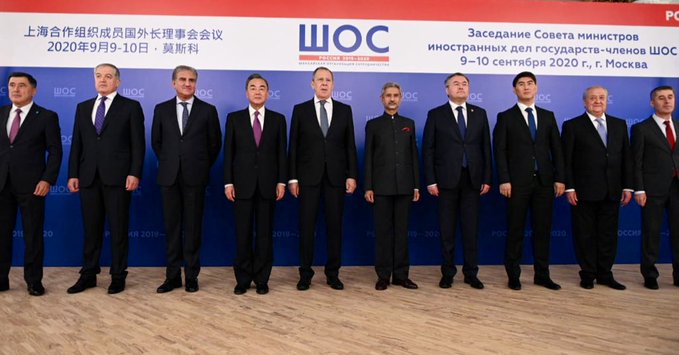
Kathmandu— As the world grapples with a crisis of global governance marked by protectionism and power politics, the Shanghai Cooperation Organisation (SCO) is emerging as a potential model for more equitable international collaboration. Chinese President Xi Jinping proposed the Global Governance Initiative (GGI) last year, advocating for a fairer system, and the SCO’s 25 years of operation provide a practical example of how nations with differing political systems and cultures can work together effectively.
A Foundation of Shared Principles
The SCO operates under the “Shanghai Spirit,” emphasizing mutual trust, benefit, equality, consultation, respect for diverse civilizations, and shared development. These principles directly align with the five tenets of Xi Jinping’s Global Governance Initiative: sovereign equality, adherence to international law, multilateralism, a people-centered approach, and concrete action. This alignment has fostered increasingly institutionalized cooperation across multiple sectors within the SCO.
Prioritizing Security Through Collaboration
Originally focused on regional security, the SCO has prioritized long-term good neighborliness and cooperative partnerships built on equality and mutual respect. The organization has established four new security centers to translate consensus into tangible results, successfully thwarting over 1,400 terrorism- and extremism-related incidents in the past quarter-century. Beyond direct counter-terrorism efforts – including more than 40 joint exercises and operations – SCO members recognize that lasting security is intertwined with political trust, economic progress, and cultural exchange.
Expanding Economic Ties and Connectivity
The SCO’s commitment to shared development is evident in the launch of seven cooperation platforms covering areas like green industry, digital economy, scientific innovation, energy, education, and artificial intelligence. Through initiatives such as the Belt and Road Initiative and aligned development strategies, SCO members have experienced positive growth in both foreign trade and internal commerce. Data from the World Trade Organization indicates that combined imports and exports among the ten member states reached approximately 8.88 trillion U.S. dollars in 2025. Projects like the China-Kyrgyzstan-Uzbekistan railway, the Silk Road e-commerce hub, and the SCO university network are enhancing connectivity and expanding economic opportunities for citizens across member nations.
Fostering People-to-People Exchanges
Recognizing the importance of cultural understanding, the SCO has prioritized people-to-people exchange programs. Institutionalized dialogue and increased interaction aim to transform historical, cultural, and civilizational differences into sources of mutual comprehension and cooperation. This emphasis on human connection complements the organization’s security and economic initiatives.
A Growing Role in Global Diplomacy
Beyond its regional impact, the SCO actively supports the UN Charter and international law, contributing to the resolution of global issues and promoting coordination among various multilateral organizations. The “SCO Plus” format further expands dialogue with nations of the Global South, facilitating the exchange of governance experiences and practical collaboration.
The SCO’s demonstrated ability to foster cooperation despite diversity positions it as a key player in bolstering regional development and contributing to a more just and equitable global governance system.
(With inputs from Xinhua)
Originally published on abcnews.com.np.



प्रतिक्रिया दिनुहोस्