

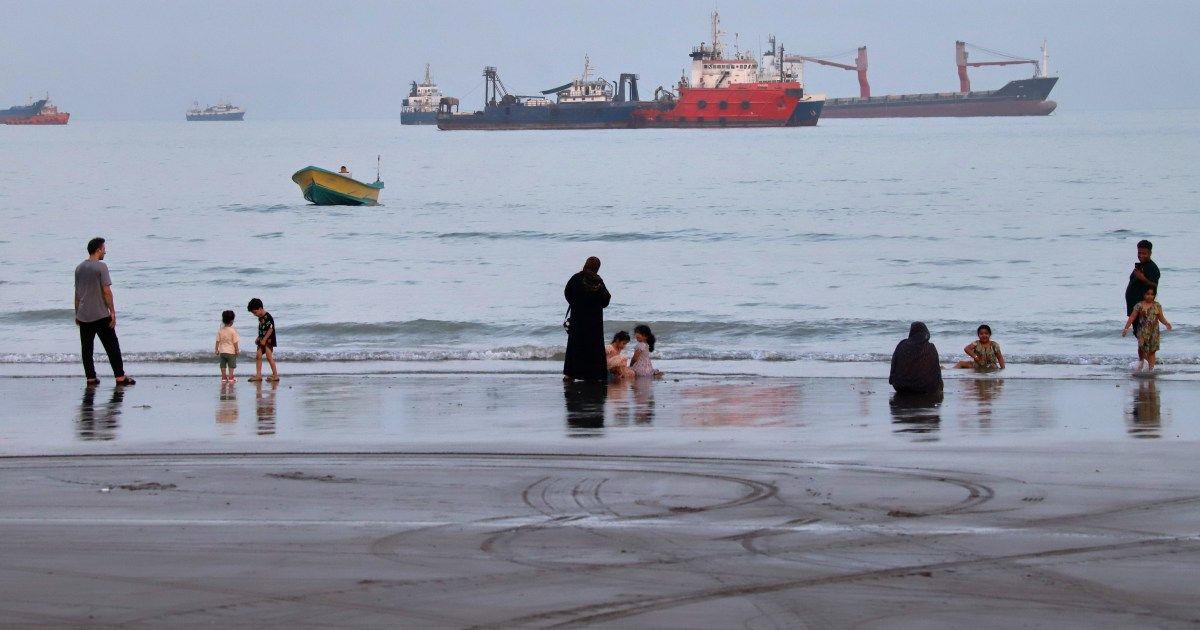
Kathmandu— Six months into the conflict between the United States, Israel, and Iran, the economic impact has been profound. While energy firms and financial institutions have reported significant gains, sectors such as aviation and automotive manufacturing have suffered due to soaring fuel prices and supply chain disruptions.
Energy Sector Profits Surge
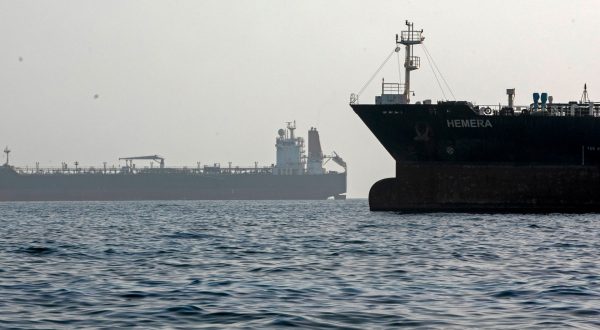
The closure of the Strait of Hormuz and Iranian strikes on Gulf energy infrastructure have driven up oil prices, benefiting major energy companies. ExxonMobil reported a $14.5 billion profit in Q2, while Chevron posted its highest earnings in six years at $12 billion. European firms like TotalEnergies also saw significant gains, with Shell and BP more than doubling their profits year-over-year.
Defence Industry Sees Increased Demand
The conflict has spurred demand for defence equipment, leading to lucrative contracts for arms manufacturers. The Pentagon sealed a $22.9 billion agreement with RTX Corporation for Tomahawk cruise missiles and a $59 billion deal with Lockheed Martin to boost Patriot missile production. Despite increased orders, some firms like Northrop Grumman have seen stock prices decline.
Financial Institutions Benefit from Volatility
Market volatility has driven trading activity at financial institutions, leading to substantial profits for major banks. The 'Big Four' US banks reported combined earnings of $42.5 billion in Q2, while UK's HSBC and France’s Societe Generale also saw significant gains.
Airlines and Carmakers Struggle
The aviation industry has faced severe disruptions due to Iranian attacks on flights, with airlines like Air New Zealand reporting losses. The automotive sector is also suffering from rising material costs; Toyota's global sales fell almost 5% in July, while Volkswagen saw earnings drop by nearly one-third.
Renewables and Coal Gain Ground
The conflict has accelerated the shift towards renewable energy sources like solar and wind power. At least 26 countries have announced clean energy initiatives, while coal production has also surged due to its lower cost compared to oil.
As the conflict continues, economic impacts are expected to persist across various sectors, with some industries thriving while others struggle.
(With inputs from Al Jazeera)
Originally published on abcnews.com.np.




प्रतिक्रिया दिनुहोस्