

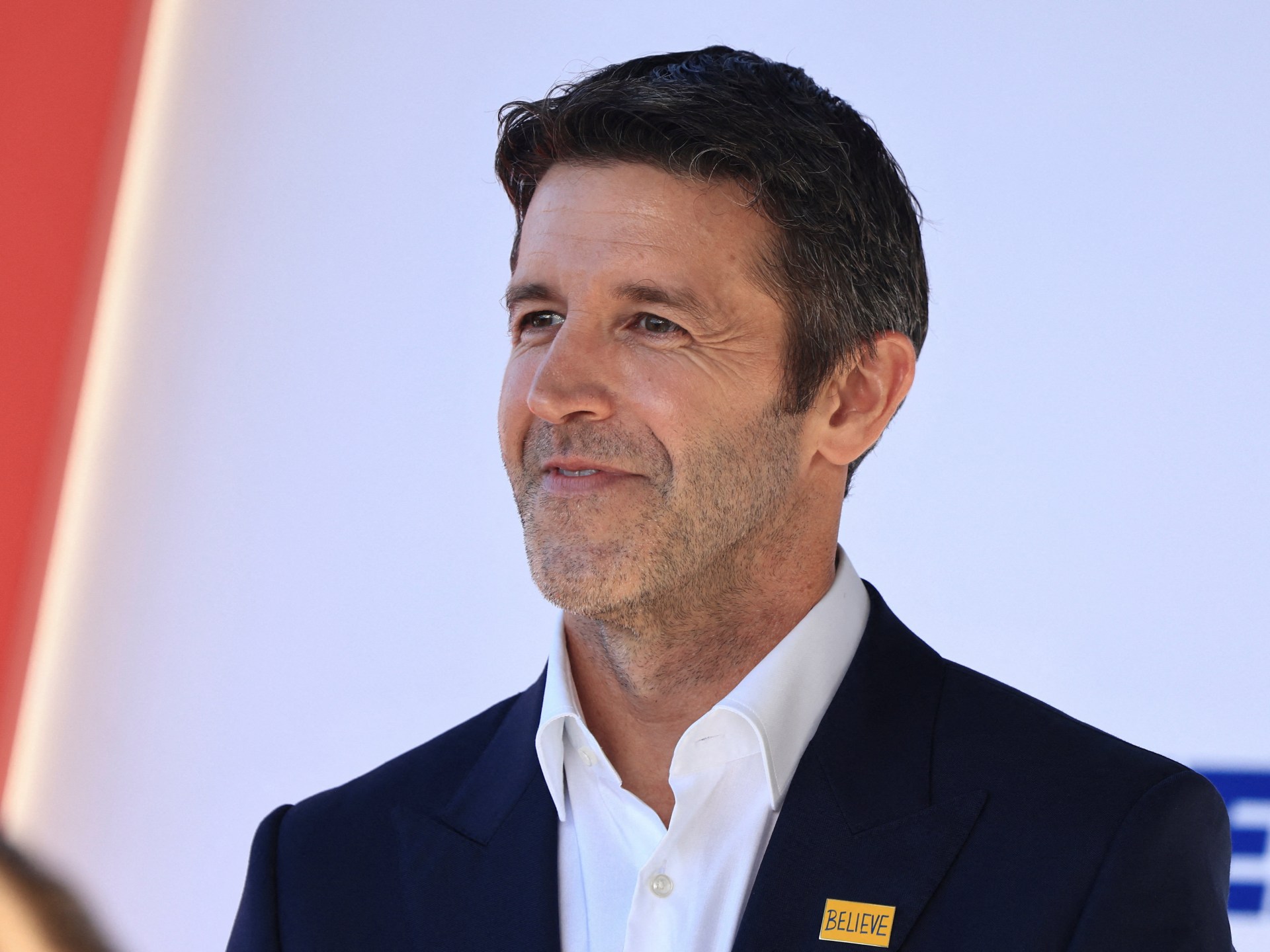
Kathmandu— John Ternus takes over as Apple’s chief executive on Tuesday, succeeding Tim Cook after his 15-year tenure. While the company dominates the smartphone market, it trails its competitors in artificial intelligence (AI). One of Ternus's key challenges will be balancing the company’s reliance on China with political pressure from the White House.
Ternus' Background and Challenges
Ternus, 51, joined Apple in 2001 as part of its design team and worked his way up to senior vice president of hardware engineering. He leads the teams behind all of Apple’s products, including iPhones that generate most of the company's revenue. Ternus inherits a company with significant geopolitical challenges, particularly regarding supply chain management and political pressures from both China and the United States.
Analysts' Perspectives
Dan Ives, partner at Yorkville Ives & Co., believes that while Tim Cook left Apple in good shape, Ternus will need to define a new chapter focused on AI. Some analysts had expected Craig Federighi, the software chief, to take over due to Apple's lagging position in AI. However, Carolina Milanesi from Creative Strategies argues that consumers still prioritize hardware and that AI adoption is secondary.
Supply Chain Management
Apple’s supply chain is one of the most complex in corporate history, with hundreds of suppliers and assembly lines primarily based in China. Tim Cook had begun diversifying production to India and Vietnam but has maintained a significant presence in China. The geopolitical landscape will be new territory for Ternus, who must navigate political pressures from both Beijing and Washington.
Immediate Challenges
Ternus faces an immediate test with Apple’s annual iPhone event on September 9th, where the company is expected to unveil its first foldable handset. This will be Ternus's first public appearance as CEO, just eight days into his new role.
(With inputs from Al Jazeera)
Originally published on abcnews.com.np.




प्रतिक्रिया दिनुहोस्