

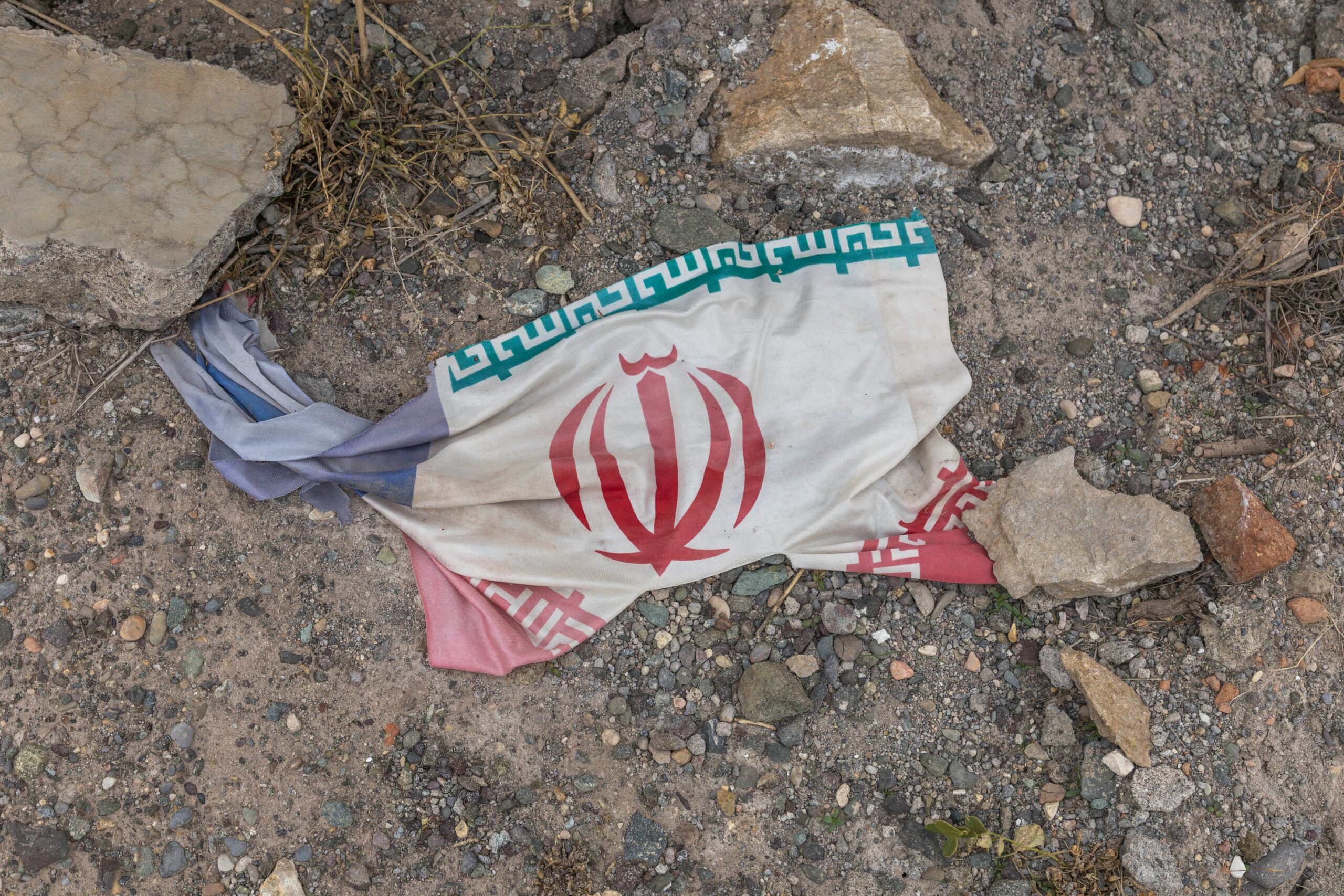
Kathmandu— Esmaeil Baqaei, spokesperson for Iran’s Foreign Ministry, recently highlighted the environmental devastation caused by the U.S.–Israeli war, noting that oil contamination from attacks is washing up on Iranian shores. The Conflict and Environment Observatory has documented over 300 incidents of potential environmental harm across 12 countries since February, with major commercial satellite companies restricting data publication at the behest of the U.S. government, hindering efforts to assess the full extent of damage.
Environmental Impact
The war has led to significant environmental degradation, including oil spills and toxic smoke that have contaminated waterways and air quality across the region. According to research by the Climate and Community Institute, U.S. and Israeli attacks in the first 14 days of the conflict emitted roughly 5 million metric cubic tons of greenhouse gases, equivalent to Iceland’s annual emissions.
Health Risks
The destruction of infrastructure such as desalination plants and oil facilities poses severe health risks. Damaged desalination plants jeopardize civilian water supplies and release harmful chemicals into the environment, while bombed buildings spread asbestos-contaminated dust that can cause respiratory illnesses and cancer.
Historical Precedents
The U.S. has a history of conflicts leaving deep environmental scars, such as the use of Agent Orange in Vietnam and oil fires during the Gulf War. The PACT Act of 2022 extends healthcare access to veterans exposed to toxic substances, reflecting ongoing health issues linked to wartime exposures.
Fallujah's Environmental Fallout
The city of Fallujah in Iraq has seen a significant increase in childhood cancer rates and birth defects following U.S. military operations. A study by Purdue University and Newcastle University found that residents carry higher levels of radiation and heavy metals, highlighting the long-term health impacts of war.
Legal and Ethical Implications
The International Committee of the Red Cross has affirmed that the environment is a civilian object under international law. Under the Rome Statute, inflicting widespread environmental damage can be considered a war crime. The ongoing conflict in Iran has already sparked a global fuel crisis and threatened future harvests.
The ecological devastation and health hazards caused by the U.S.–Israeli war will continue to affect both service members and local residents for generations.
(With inputs from CounterPunch)
More from the source

Originally published on abcnews.com.np.




प्रतिक्रिया दिनुहोस्