

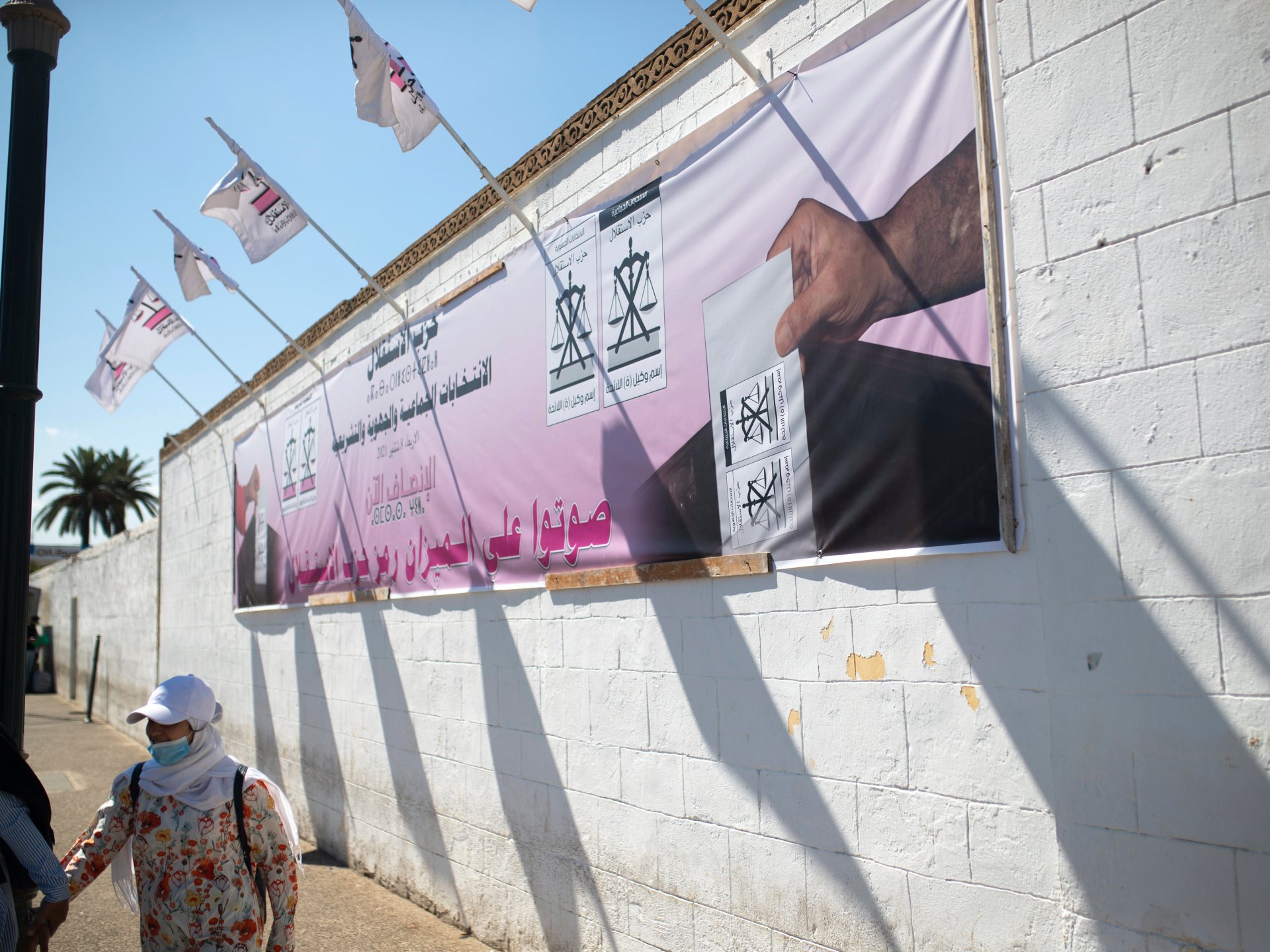
Kathmandu— Moroccan politicians from the governing coalition have turned against each other in a series of public disputes, including leaked recordings and accusations, ahead of the official campaign start on September 10. The election, scheduled for September 23, will determine the composition of the next parliament and the balance of power within it. About 15.8 million voters are registered to cast their ballots in a country with an estimated voting-age population of roughly 25 million.
Internal Disputes Erupt
A leaked audio recording attributed to House of Representatives Speaker Rachid Talbi Alami has exposed tensions between the National Rally of Independents (RNI) and the Authenticity and Modernity Party (PAM). The recording, which criticizes PAM's budget minister Fouzi Lekjaa without naming him directly, highlights the competition for influence within the ruling coalition. Both RNI President Mohamed Chouki and Head of Government Aziz Akhannouch have responded to the controversy, emphasizing that internal discussions are part of political debate and should focus on winning the election rather than distributing government posts prematurely.
Economic Concerns Drive Campaign
The cost of living, employment, healthcare, and education remain key issues for voters. Inflation has slowed but remains high, making everyday goods more expensive for many households. The government can point to economic growth and social protection measures as evidence of progress, while opposition parties argue that these gains have not translated into tangible relief for ordinary families. Employment is another major concern, particularly among young people, with the government's promise to create one million net jobs over five years falling short by most accounts.
Eid al-Adha and Meat Prices
The cost of celebrating Eid al-Adha has become a contentious issue. Last year, Moroccans were urged not to sacrifice sheep due to drought and high prices. This year, while sheep are available, their prices have skyrocketed, making the traditional sacrifice unaffordable for many families. Opposition parties are using this as an opportunity to criticize the government's handling of livestock supplies and food prices.
Ceuta Tragedy Adds Sensitivity
The mass crossing into Ceuta on July 30, resulting in at least 96 deaths, has added a sensitive issue to Morocco’s political landscape. The episode raised questions about the risks faced by Moroccans seeking to reach Europe and the circumstances that drove so many to attempt the crossing. The Justice and Development Party (PJD) has called for a royal commission of inquiry into the incident, bringing it into the political debate.
(With inputs from Al Jazeera)
More from the source


Originally published on abcnews.com.np.

प्रतिक्रिया दिनुहोस्