

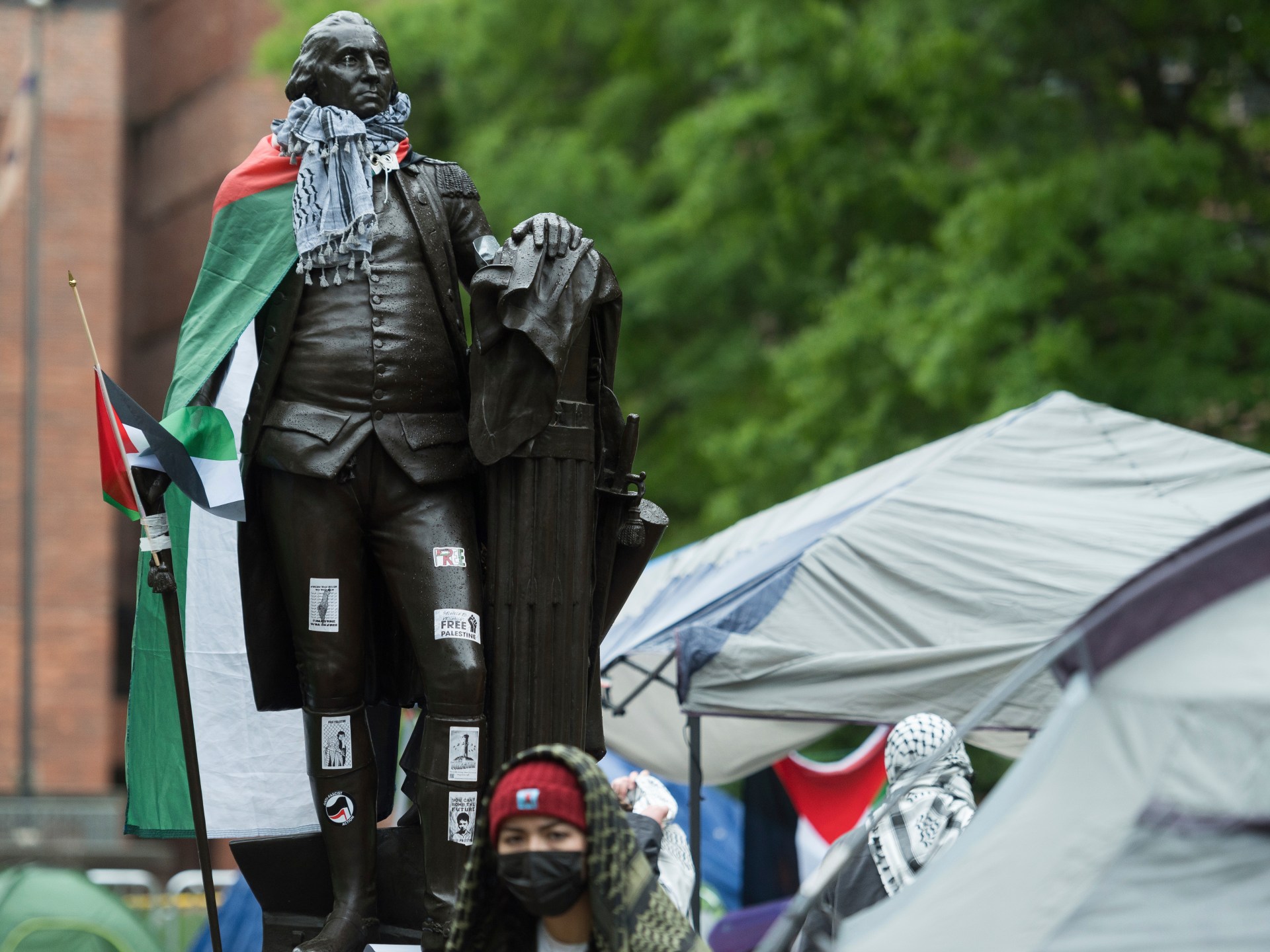
Kathmandu— The United States House of Representatives has passed a bill in a 237-169 vote to defund American universities that boycott Israeli academic institutions, including those located in the occupied West Bank. Critics argue that this measure violates freedom of expression and raises concerns about constitutional protections under the First Amendment.
First Amendment Concerns
Rights groups such as the American-Arab Anti-Discrimination Committee (ADC) and the Council on American-Islamic Relations (CAIR) have raised serious concerns that the bill infringes upon the freedom of speech protected by the First Amendment. Jenin Younes, president of ADC, stated that courts recognize boycotts as a form of protected activity under the Constitution.
Impact and Implementation
If passed into law, the bill would bar universities from receiving federal funds if they engage in boycotting Israeli entities. This could make it nearly impossible for many institutions to operate or provide financial aid to students. The legislation requires annual certification that US academic institutions allow cooperation with Israeli universities.
Political Context
The bill comes amid declining public support for Israel in the United States, as indicated by a Pew Research Center survey showing 62 percent of Americans have an unfavorable view of the Israeli government. Despite this, strong support remains on Capitol Hill for Prime Minister Benjamin Netanyahu's government.
Support and Opposition
Proponents argue that the bill aims to regulate commercial conduct rather than speech. Representative Tim Walberg, a Republican, stated that universities should not discriminate against Israeli entities using federal programs. However, critics like Robert McCaw of CAIR call it an attempt to silence dissent by threatening student financial aid.
(With inputs from Al Jazeera)
Originally published on abcnews.com.np.






प्रतिक्रिया दिनुहोस्