

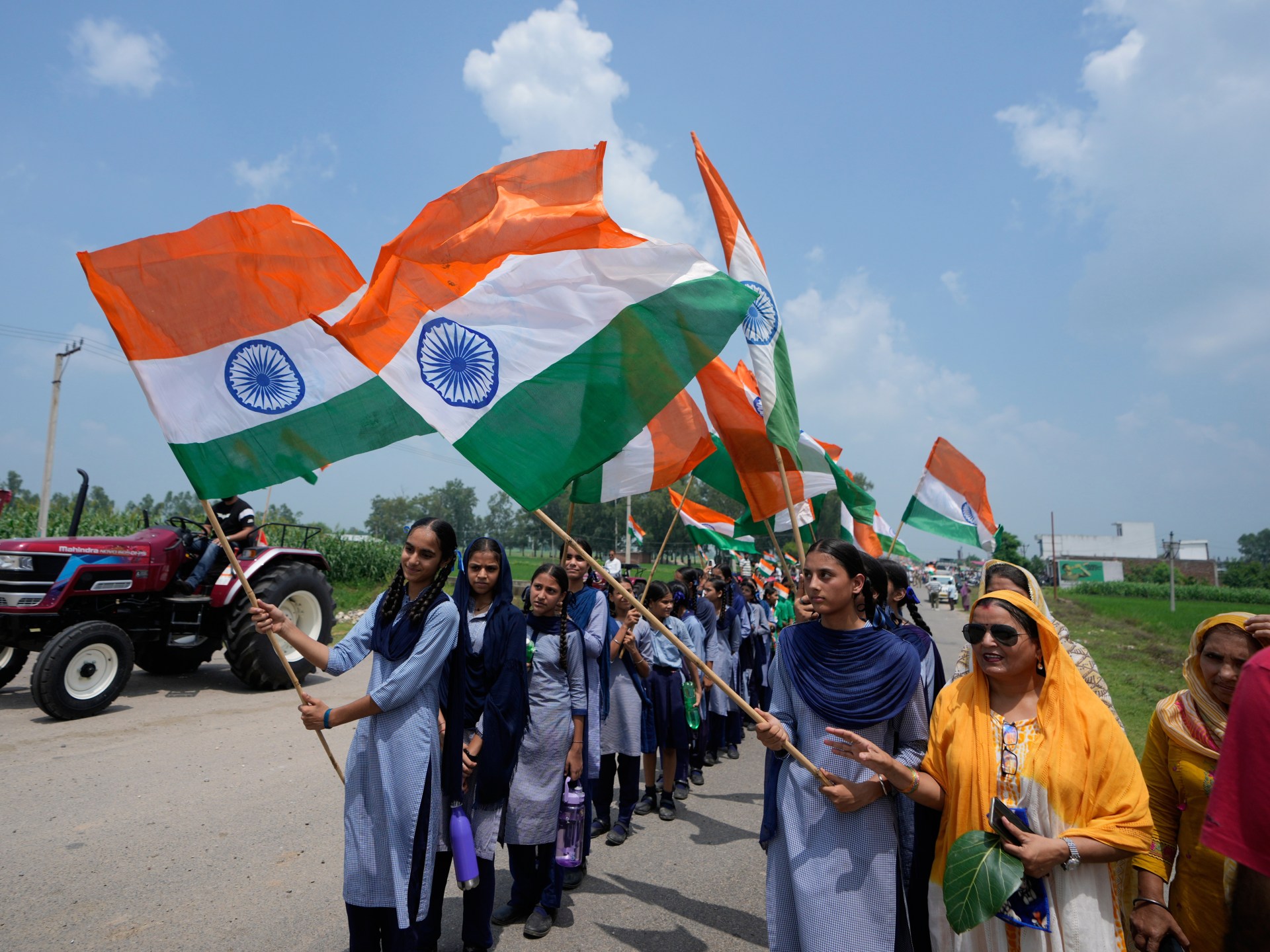
Kathmandu— School students across India, some as young as six, have organized protests in government-run schools demanding better infrastructure and facilities, inspired by Gen Z demonstrations against education system failures, with protests reported in at least 10 states including Uttar Pradesh, Maharashtra, and Bihar since late July.
Youth-Led School Protests Gain Momentum
Students at a government primary school in Samuhi Bhatpurwa village, Uttar Pradesh, staged a protest on August 22, refusing to enter dilapidated classrooms until authorities promised a new building. The school, which suffered a wall collapse in 2023 that injured a girl, had been neglected despite repeated requests from children. Eight-year-old Priya, holding India's national flag, explained the students' fear: "The fear does not let us concentrate on our studies. That is why we all protested."
Similar protests have spread to at least 10 Indian states, with students in rural areas demanding basic infrastructure like drinking water, electricity, and functional classrooms. In Sarvodaya Inter College, Uttar Pradesh, class 12 student Manoj described their conditions: "There is no electricity, so no fans during the hot and humid summers. We don't have a drinking water facility. Many students sit on the floor because we don't have enough benches."
The protests represent a cultural shift as children challenge authority figures, a rarity in India's traditional educational environment, and have been dubbed a "Gen Alpha movement" following Gen Z's earlier demonstrations against examination leaks and unemployment.
Gen Z Movement Inspires New Wave of Activism
The current protests follow Gen Z demonstrations that began in June, where thousands gathered at Jantar Mantar in New Delhi demanding accountability after examination paper leaks linked to student suicides. The movement, led by the satirical Cockroach Janata Party (CJP), gained momentum when security forces cracked down on peaceful protesters, drawing national support.
Education Minister Dharmendra Pradhan resigned after the government relented to Gen Z demands. The CJP has now turned its focus to school infrastructure, launching the "School Thik Karo" initiative on Independence Day to support student protests. Ratna Singh, CJP's legal affairs head, stated their movement "fully backed the protests in schools across the country, seeking to improve the education system."
CJP members have faced threats and police complaints for visiting schools to document conditions, with member Gaurav Bharti alleging that "the police and local goons are threatening members of the CJP" after exposing poor conditions in Uttar Pradesh's Karanpur Majra school.
Systemic Failures in India's Education Infrastructure
India's education system, serving 247 million students across 1.5 million schools, faces severe infrastructure challenges despite government claims of progress. While official data shows improving teacher-pupil ratios (one teacher for every 24 students), many government schools operate in unsafe conditions, with some buildings also used for livestock.
Education rights activist Nagasimha Rao described the reality: "The children are demanding their rights. They want teachers, benches, school buildings, drinking water, electricity and toilets. Unfortunately, for a long time, the basic infrastructure and manpower to run schools have been missing."
The Right to Education (RTE) Act of 2009 mandates all-weather buildings, water, sanitation, and a 1:30 teacher-student ratio, but 100,843 schools operate with only one teacher, and 5,663 schools have no enrollment at all. Substandard midday meals have also sparked protests, with students in Bihar's Simuara village walking 4km to protest rotten vegetables and unclean ingredients.
With over 30 percent of India's population under 18, these protests signal a growing political challenge for Prime Minister Modi's government as students demand systemic reforms before they reach voting age in 2029.
(With inputs from Al Jazeera)
Originally published on abcnews.com.np.




प्रतिक्रिया दिनुहोस्