

Kathmandu— Israeli forces demolished 12 homes and most community structures in Khirbet al-Tabban, a village in the Masafer Yatta region of the occupied West Bank, leaving approximately 70 people homeless and destroying water sources, sanitation facilities, and agricultural infrastructure, while villagers declared their determination to rebuild and remain on their land despite repeated displacement efforts by Israeli authorities.
Mass Demolition Leaves Village in Ruins
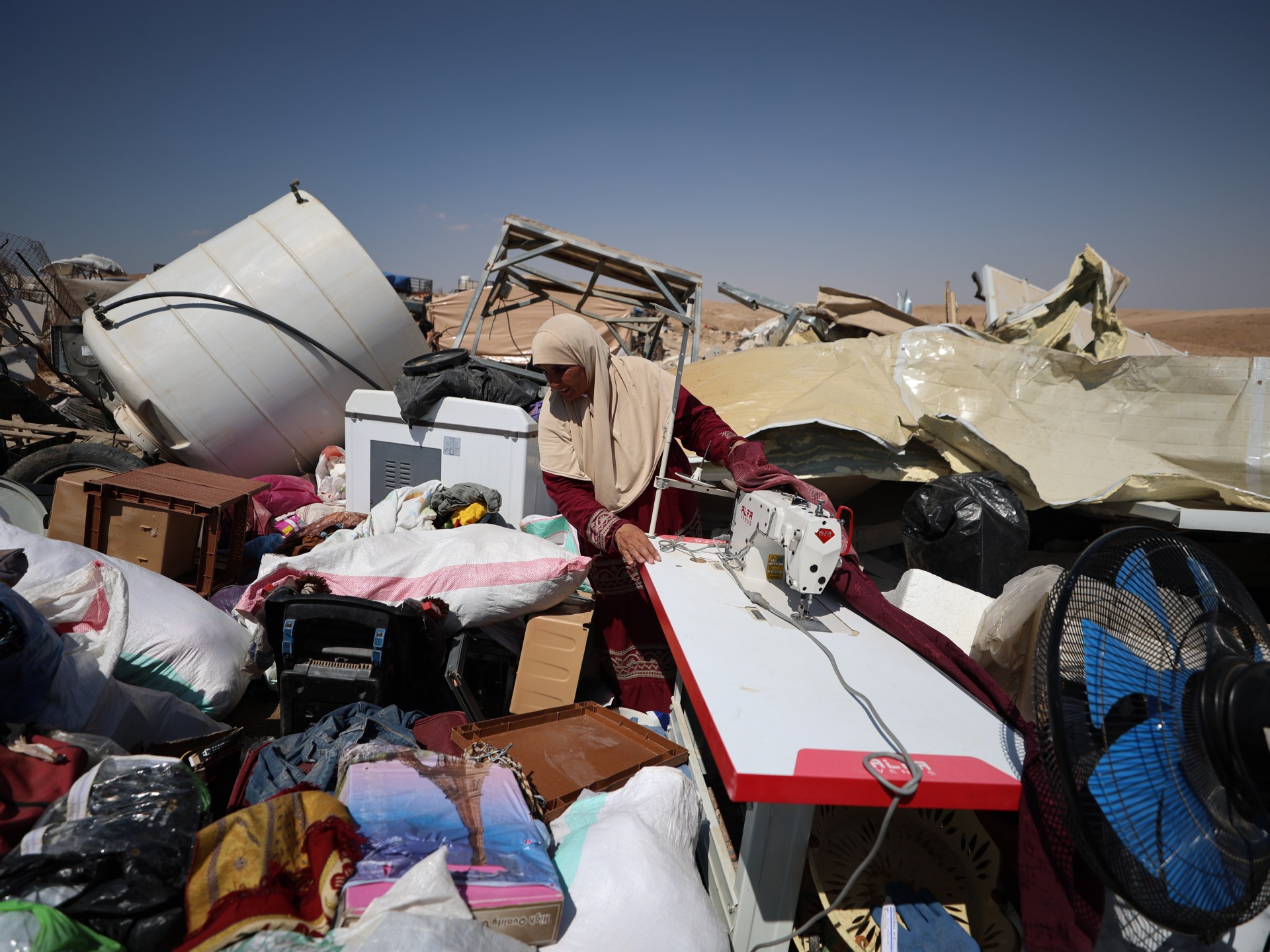
The aftermath of the demolition was starkly visible across Khirbet al-Tabban, with destroyed homes, scattered rubble, empty animal pens, and missing water tanks and essential facilities. A woman sat beneath a tractor trailer seeking shelter from the sun, surrounded by the few belongings she had salvaged from the rubble.
Israeli forces arrived unannounced on Wednesday in the southern West Bank village, demolishing all 12 homes and most community structures, displacing about 70 residents. Nidal Younis, head of the Masafer Yatta Council, described the action as "wiping the village off the face of the earth" but emphasized that villagers would not leave despite repeated attempts to force them out across Masafer Yatta.
Villagers' Determination to Remain
Nidal Younis stated that the decision to stay was the people's own choice, with residents seeing no alternative to remaining on their land. He warned that immediate priorities include shelter, drinking water, and sanitation, noting that tents would be insufficient against upcoming cold weather and strong winds, particularly for vulnerable groups.
The demolition follows a 2022 Israeli court decision allowing displacement after Israel designated Masafer Yatta a military firing zone decades ago. Younis accused Israel of aiming to "displace Palestinians and change the reality of these areas," a claim Israel justified by labeling the demolished structures as unauthorized, a status nearly impossible for Palestinians in Area C to obtain.
Personal Stories of Loss and Resolve
Nasser Mahmoud Obeid, a resident, recounted being ordered to leave by force when Israeli forces arrived, a scenario familiar from a 1999 demolition and years of military and settler attacks. After the demolition, Obeid began clearing rubble to prepare temporary shelter, vowing that villagers would rebuild everything.
Obeid, born in Khirbet al-Tabban in 1977, stated, "This is our land, and here we will build and rebuild. You can see with your own eyes what we are doing. We have not lost hope, and we will not."
Suad Mohammed Obeid, 48, searched through rubble for her sewing machine, a tool she used for decades to make clothes for her family. She had lived in the village for 32 years, building her life around agriculture, livestock, and dairy production, now destroyed. "They demolished all of Khirbet al-Tabban and wiped it off the face of the earth," she said, adding that children remained frightened after sleeping outside for the first time.
With immediate needs for shelter and sanitation looming, villagers expressed hope for assistance from organizations while reaffirming their commitment to remain on their land despite ongoing displacement efforts.
(With inputs from Al Jazeera)
Originally published on abcnews.com.np.




प्रतिक्रिया दिनुहोस्