

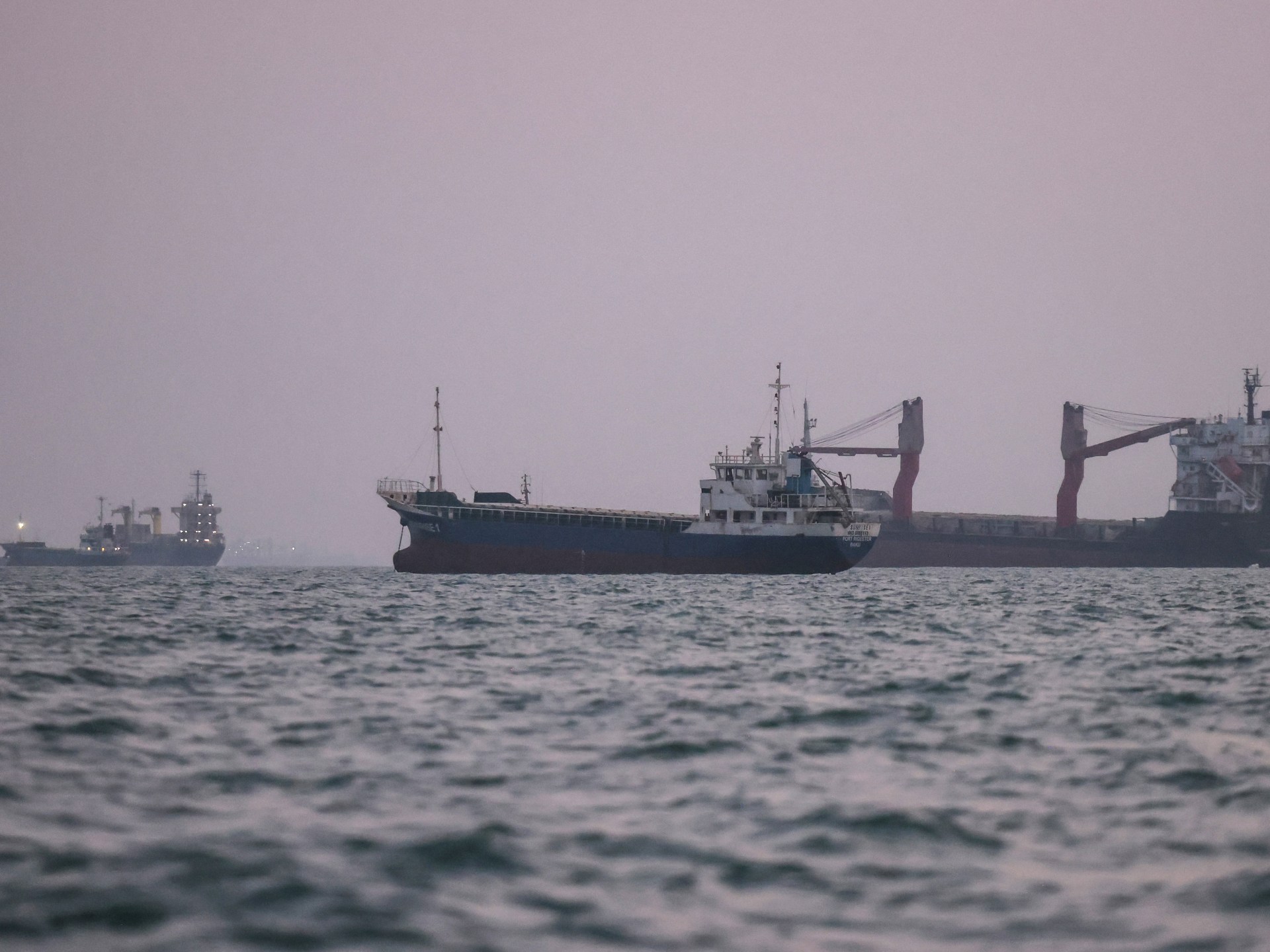
Kathmandu— The United States and Iran have escalated attacks on oil tankers in the Strait of Hormuz, a critical global chokepoint, as both nations seek to exert control over the waterway. In the past 24 hours, the US targeted three Iranian oil tankers, while Iran struck US-linked vessels and fired ballistic missiles at US warships. The conflict, which began in February, has raised concerns about global energy supplies and economic stability.
Escalation of Attacks
On July 19, the US Central Command (CENTCOM) announced that its forces struck three Iranian vessels, including a tanker off Kharg Island, the hub through which Iran exported 90 percent of its crude before the war. Another tanker was hit near Jask, and an unladen vessel was targeted in the Gulf of Oman. Iran responded by claiming it struck an unmanned US vessel trying to enter the Strait of Hormuz. The attacks come amid ongoing tensions, with Iran accusing the US of imposing a naval blockade and the US accusing Iran of using a shadow fleet to circumvent sanctions.
Economic Impact and Political Pressure
The attacks on tankers have added to concerns about global energy supplies. Brent crude futures reached their highest level since July 24, up from roughly $70 before the war. US oil and gas prices have also skyrocketed, with diesel hitting a new record price in the US. President Donald Trump claimed the US was in “total control” of the strait, but figures from marine analytics firm Kpler show only six vessels crossed the strait on Wednesday, 11 on Tuesday, and five on Monday, with a 10-day average of just 13 vessels per day. The US has continued to build pressure on Iran, with US Treasury Secretary Scott Bessent announcing a raft of economic measures to target Tehran’s financial interests.
Expert Analysis and Future Outlook
Experts have described the attacks as a “calculated escalation,” with Iran’s targeting of the two US aircraft carriers seen as a significant development. The conflict, which began in February, has raised concerns about miscalculations and civilian casualties. The director of the Middle East studies programme at George Washington University, Sina Azodi, said neither side will “cave in” because it “will not look good on them, so the only option is to escalate.” He added that the winner will be the one that can accept more costs and punishment. Iran’s strategy, according to Ali Akbar Dareini, an analyst at the Center for Strategic Studies in Tehran, is to make sure that oil prices will shoot up over $100 per barrel.
The conflict shows no signs of de-escalation, with both sides vowing to continue their efforts to exert control over the Strait of Hormuz. The situation remains tense, with potential for further attacks and increased economic instability.
(With inputs from Al Jazeera)
Originally published on abcnews.com.np.


प्रतिक्रिया दिनुहोस्