

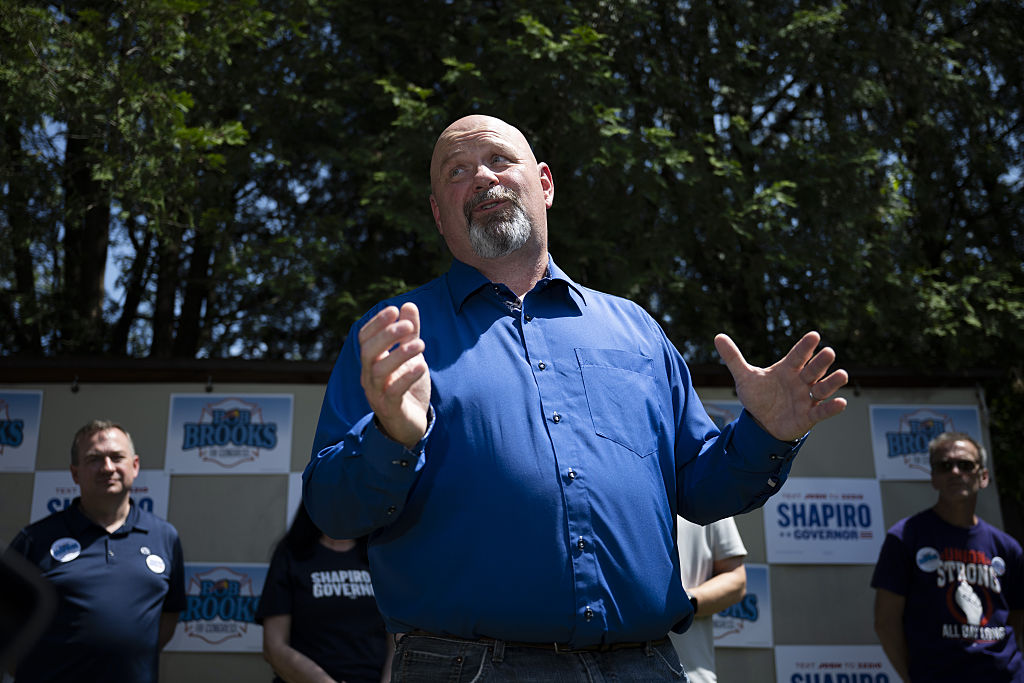
Kathmandu— The Blue Collar Brigade, a joint fundraising alliance launched by five working-class Democratic candidates for Congress, aims to win back critically important swing districts by focusing on bread-and-butter economic issues. The candidates include an ironworker from Ohio (Brian Poindexter), a firefighter from Pennsylvania (Bob Brooks), and others who lack access to traditional donor networks but have strong ties to labor unions.
The Economic Populist Platform
Each candidate in the Blue Collar Brigade is running on an economic-populist platform that emphasizes policies such as raising taxes on billionaires and corporations, strengthening workers' rights, expanding Medicare coverage, and investing in infrastructure. This approach aligns with research showing that non-elite candidates resonate more with working-class voters than those from upper-class backgrounds.
Union Support and Messaging
All five Brigade members are union members, which is significant given the Center for Working-Class Politics' findings that union-backed campaigns are better at targeting working-class votes. The candidates also excel in speaking to core values like hard work and loyalty to country, avoiding divisive social issues while maintaining a focus on economic justice.
Differences Among Candidates
While the Brigade shares common goals, there are differences among its members regarding how they navigate social issues. For example, Bob Brooks presents himself as culturally moderate, supporting universal background checks and border security with a path to citizenship, while Randy Villegas centers his campaign on the human cost of ICE raids in immigrant communities.
If successful, the Blue Collar Brigade's strategy could set a precedent for winning working-class votes in swing districts, potentially reshaping American politics.
(With inputs from Jacobin)
Originally published on abcnews.com.np.






प्रतिक्रिया दिनुहोस्