

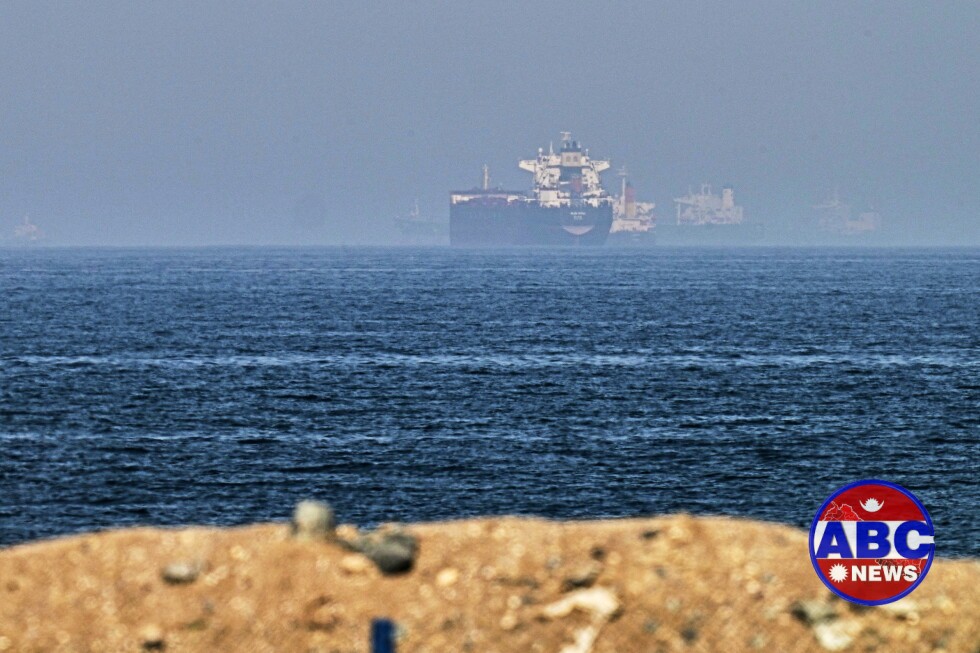
Kathmandu— U.S. President Donald Trump indicated on Tuesday that an agreement to reopen the strategically vital Strait of Hormuz could come as soon as Wednesday, potentially alleviating tensions and restoring maritime traffic through one of the world's most important oil shipping routes. The closure of the strait has driven up fuel prices globally and exacerbated economic pressures, with Iran and Oman inching toward a deal that could ease these concerns.
Strategic Importance of Strait of Hormuz
The Strait of Hormuz is a narrow waterway connecting the Persian Gulf to the Arabian Sea. It serves as a critical conduit for oil and gas exports, accounting for approximately one-fifth of global maritime oil trade before its closure due to conflict. The reopening of this strait could significantly impact global energy markets and ease economic pressures worldwide.
Continued Threats and Attacks
Despite the optimism surrounding a potential deal, attacks on shipping in the region continue. On Wednesday, Iranian-backed Houthi rebels claimed to have fired missiles at a Saudi oil tanker off the coast of Yanbu. Additionally, an Indian-flagged ship sank in the Red Sea after being struck by an explosive-laden boat, highlighting ongoing security concerns.
Negotiations and Proposals
Regional officials have proposed that ships entering the Persian Gulf through the Strait of Hormuz would use an Iranian-controlled route to enter and an Omani-controlled route to exit. This proposal includes service fees for providing maritime security and environmental preservation. However, U.S. President Trump has previously stated his opposition to any tolls being charged on this critical waterway.
(With inputs from AP)
Originally published on abcnews.com.np.






प्रतिक्रिया दिनुहोस्