

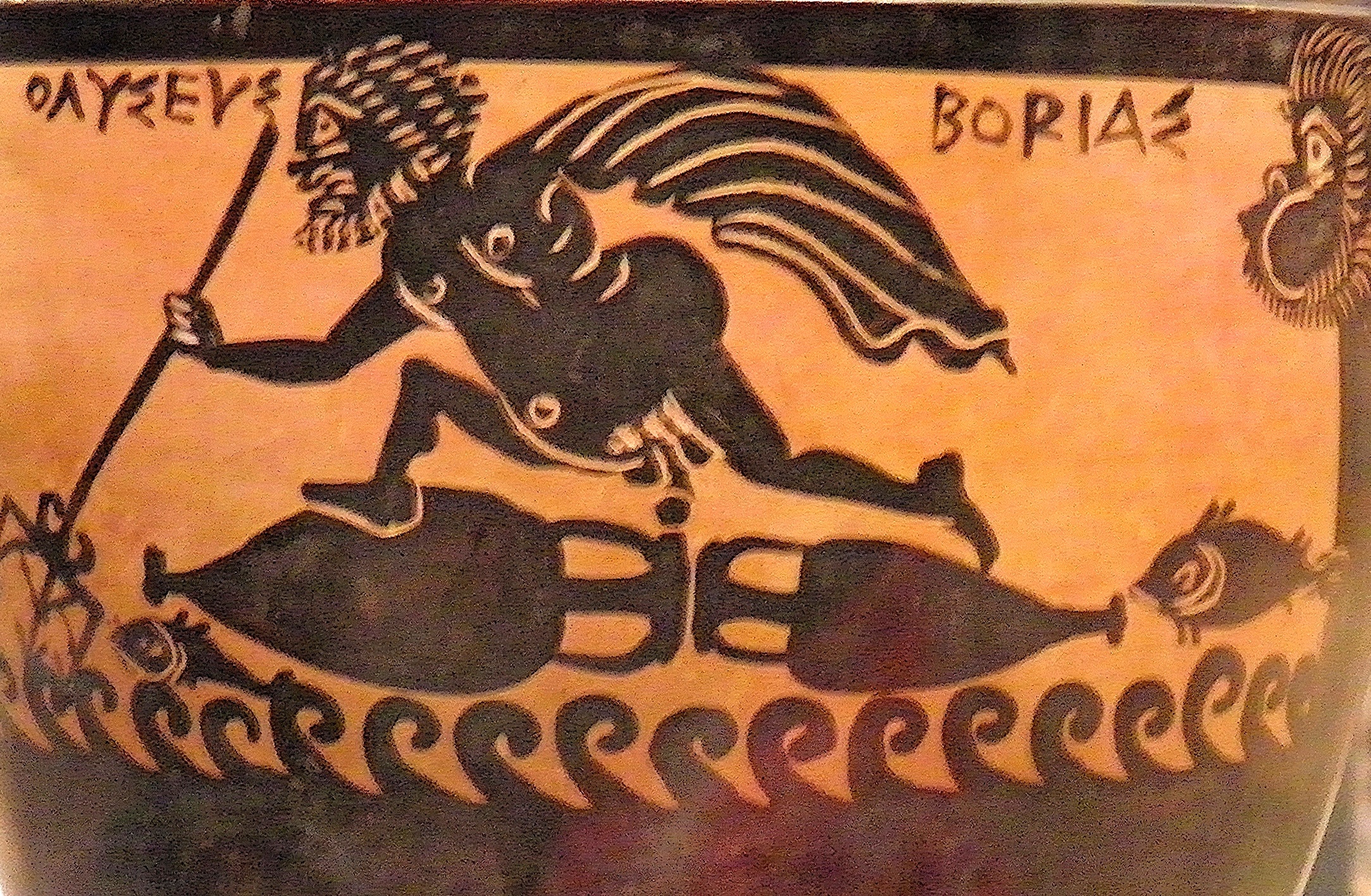
Kathmandu— Renowned translator Emily Wilson criticizes Christopher Nolan’s adaptation of Homer’s Odyssey, arguing that it fails to capture the essence of the original text. Instead, Nolan uses the ancient Greek epic to comment on contemporary geopolitical issues, particularly the decline of Western dominance and the rise of new global powers.
Nolan's Interpretation of Power
In his film 'The Odyssey,' Christopher Nolan explores themes of concentrated power and its consequences. Drawing parallels between Odysseus’s violation of xenia (the sacred guest-host relationship) and the modern world, Nolan suggests that Western nations have broken an older equilibrium through their actions. This is evident in scenes where Odysseus feels remorseful for his past deeds, mirroring contemporary concerns about the West's role in global affairs.
Comparing Nolan to Camerini
Nolan’s interpretation starkly contrasts with earlier adaptations like Mario Camerini’s 1954 film 'Ulysses.' While Camerini portrayed Odysseus as a triumphant Cold War hero, Nolan presents him as an exhausted figure grappling with guilt. This shift reflects changing political landscapes and the growing awareness of Western overreach in international relations.
The West's Guilt and Contrition
Nolan’s Odysseus goes into exile as a form of contrition, leaving his son Telemachus to restore xenia. This mirrors the contemporary political scenario where Western nations are urged to acknowledge their past actions and work towards a new equilibrium. However, Nolan's vision is limited in imagining an order that includes emancipation for those previously subjugated by Western power.
(With inputs from CounterPunch)
Originally published on abcnews.com.np.




प्रतिक्रिया दिनुहोस्