

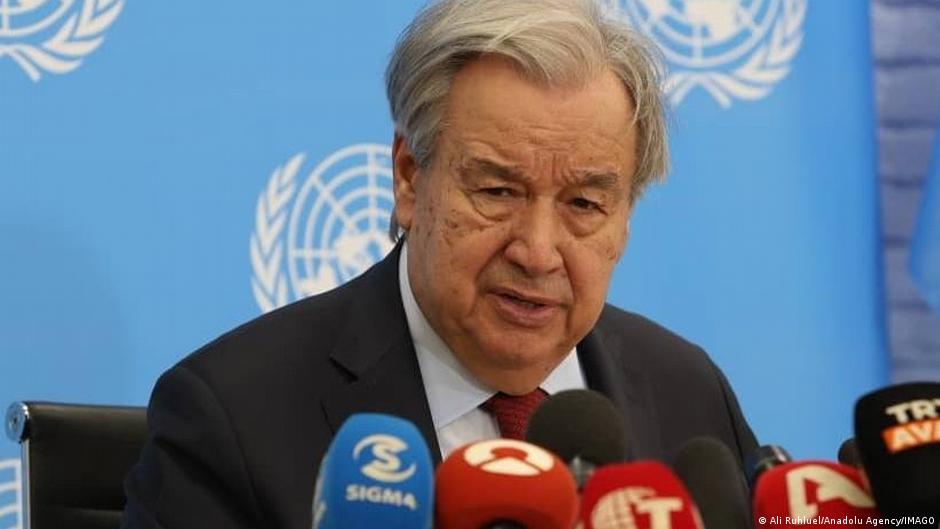
Kathmandu— UN Secretary-General Antonio Guterres visited Cyprus last week for the first time in 16 years, meeting with leaders from both communities on the island. His aim was to assess whether conditions are ripe for restarting negotiations that have been stalled since the collapse of talks in Crans-Montana, Switzerland, in 2017. The initiative comes amid growing concerns over regional instability and the potential impact of unresolved tensions on wider geopolitical dynamics.
Geopolitical Concerns
According to diplomatic sources, Guterres' decision to launch a new initiative is driven by the rapidly changing geopolitical landscape in the region. The ongoing Middle East conflict, deteriorating relations between Israel and Turkey, and increasing strategic competition in the Eastern Mediterranean have heightened UN concerns that unresolved tensions in Cyprus could undermine regional stability. "A solution in Cyprus is absolutely crucial not only for preserving peace on the island but also as a factor of stability in what is becoming a dangerously unstable region," Guteris said after his meeting with Cypriot leaders.
EU's Role
The European Union has shown increasing interest in playing an active role in reviving peace efforts. On July 7, the EU appointed Raffaele Fitto as its Special Representative for Cyprus to support UN-led negotiations and strengthen the bloc’s involvement. President Nikos Christodoulides of the Republic of Cyprus views a more active EU role as key to progress on the issue. The Cypriot government believes that potential incentives such as modernizing the EU-Turkey Customs Union, visa liberalization for Turkish citizens, and Turkey's participation in EU defense financing could encourage Ankara’s constructive engagement.
Next Steps
Guterres announced a new informal expanded 5+1 meeting involving both Cypriot communities, the three guarantor powers (Greece, Turkey, and the UK), plus the UN. However, he stressed that this meeting would only be convened once sufficient progress had been made on confidence-building measures and methodology. Despite months of discussions, the two sides have failed to agree even on opening new crossing points, a step seen as crucial for restoring trust.
(With inputs from DW)
Originally published on abcnews.com.np.

प्रतिक्रिया दिनुहोस्