

Kathmandu— In the upcoming state elections on September 6, polls suggest the Alternative for Germany (AfD) could win an absolute majority in Saxony-Anhalt. The AfD has announced plans to require artists and cultural institutions to sign a declaration pledging not to hold contempt for Germany and its culture if they want to receive state funding, targeting what it calls 'anti-German art.' This move threatens the financial stability of many cultural organizations that rely on these subsidies.
Cultural Policy Program
The AfD's cultural policy program includes a requirement for artists and institutions to sign a declaration pledging not to hold contempt for Germany and its culture if they want state funding. Hans-Thomas Tillschneider, the party’s cultural policy spokesperson in Saxony-Anhalt, stated that public funds would no longer be used to promote what he calls 'anti-German art.' He defined this as German art that doesn't want to be German, citing an opera production revisited through a feminist deconstructivist lens.
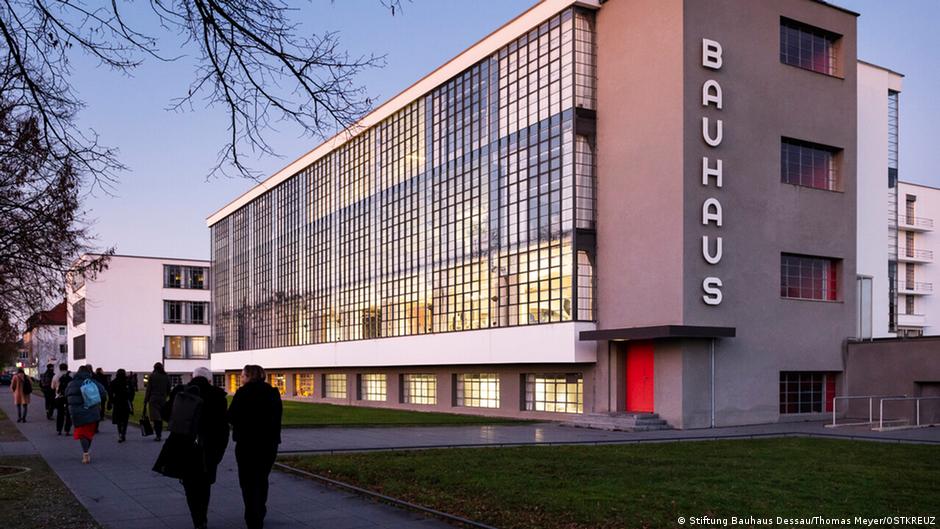
Targeting Bauhaus
The AfD sees the Bauhaus movement as too modernist and globalist for its vision of 'patriotic cultural policy.' The party's program describes Bauhaus as a controversial school of architecture and criticizes the current state government for emphasizing it in their image campaign titled 'moderndenken' (thinking modern). Instead, the AfD aims to adopt a campaign called 'deutschdenken' (thinking German), which would highlight contributions to the development of the German nation.
Historically Loaded Language
The AfD's cultural policy program uses historically loaded language reminiscent of Nazi-era rhetoric. The proposed 'deutschdenken' slogan refers to a speech Adolf Hitler made in 1938, known as the 'Reichenberger Rede.' This language is part of a broader trend where the party challenges Germany’s culture of remembrance and downplays Nazi-era atrocities.
Impact on Cultural Freedom
Cultural practitioners fear that the AfD's plans could have far-reaching consequences for artistic freedom, historical memory, and public cultural life. Annegret Laabs, director of the Kunstmuseum Magdeburg, warns that restricting funding based on an arbitrary definition of 'German' art would equate to culture’s demise. She emphasizes that culture needs state support to thrive.
Holocaust Remembrance
The AfD's program also describes Germany's existing culture of Holocaust remembrance as perpetuating a guilt complex that has blocked the formation of a stable national identity. It sees this as an 'identity disorder' that needs to be healed by focusing on positive aspects of German history.
Cultural organizations and artists in Saxony-Anhalt are now genuinely afraid, warning that the AfD's plans could have far-reaching consequences for artistic freedom and public cultural life.
(With inputs from DW)
Originally published on abcnews.com.np.


प्रतिक्रिया दिनुहोस्