

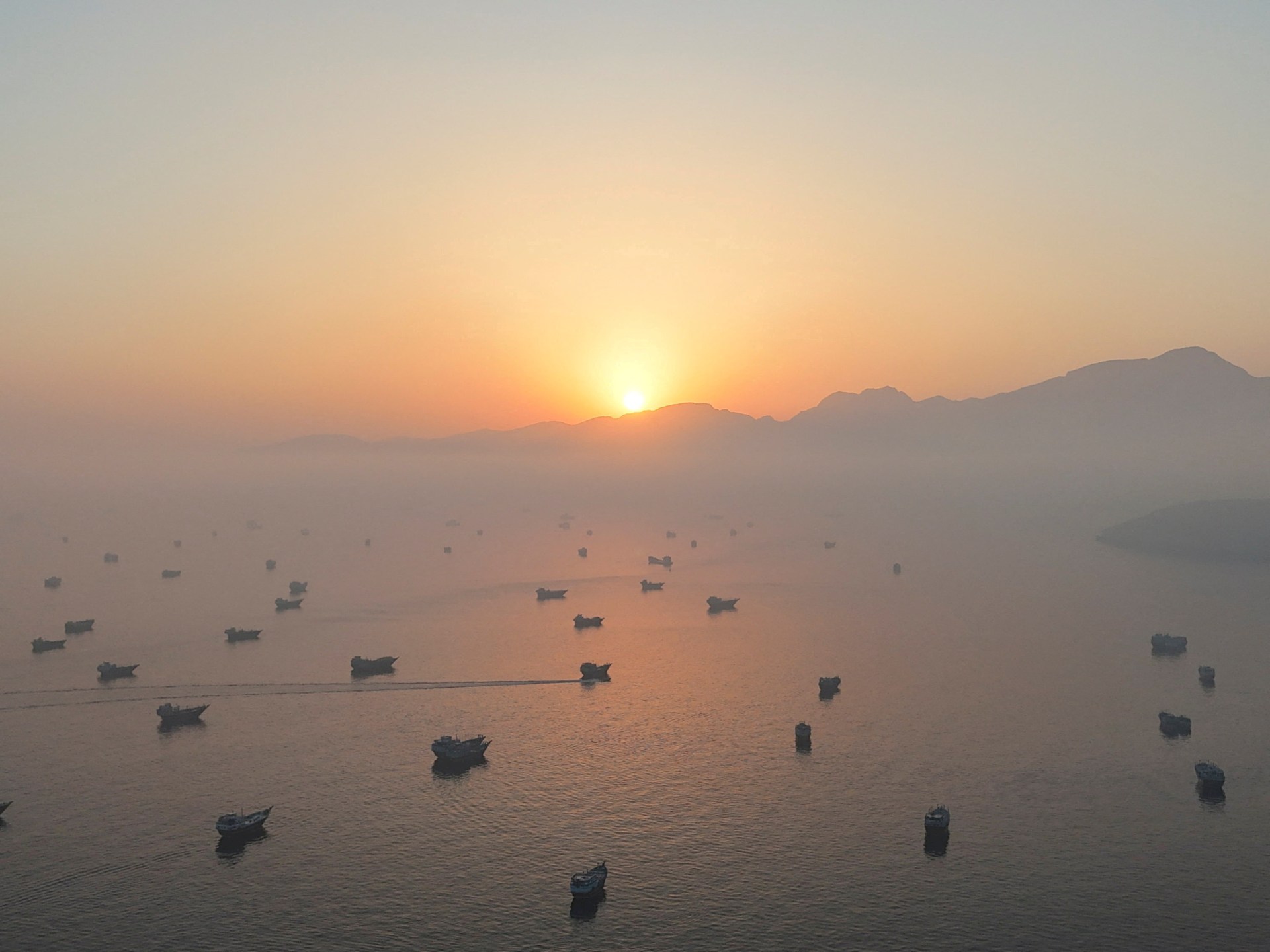
Kathmandu— Iran's Supreme National Security Council has issued a new set of conditions that the United States must meet before the Strait of Hormuz can fully reopen, signaling an expansion of previous demands. The move, announced Saturday, ties the reopening of the critical waterway to a broad list of political, military, and economic requirements, moving beyond the framework established in a June memorandum of understanding.
New Conditions for Hormuz Reopening
Mohammad Bagher Zolghadr, secretary of the Supreme National Security Council, stated that the strait will remain closed until Washington "corrects its behaviour," according to a statement published by Iran's state broadcaster IRIB. The new demands include an end to US threats and insults to Iran's national and religious values, as well as a permanent end to attacks against Iran and its allies in Lebanon, Palestine, Yemen, and Iraq.
In addition to security guarantees, the council is demanding the lifting of US sanctions, the unconditional release of frozen Iranian assets, and compensation for damages from what Zolghadr termed two "imposed wars." The council also called for the lifting of the US naval blockade and the withdrawal of US naval and air forces from the region around Iran.
Shift in Negotiating Strategy
The latest demands represent a significant broadening of terms compared to a June memorandum of understanding. While some issues were present in earlier proposals, the June agreement treated them as part of a reciprocal and phased process. The new position presented by Zolghadr demands these conditions be met before the strait is reopened.
This stance contrasts with the current position held by Washington. An unnamed US official told Reuters that the blockade of Iranian ports would be lifted once commercial shipping through Hormuz is restored "without impediments," with US actions tied to Iran fulfilling its own commitments.
Diplomatic Efforts and Internal Stance
Despite the heightened demands, President Masoud Pezeshkian expressed optimism regarding a potential deal, stating during a news conference that "now is the best time for an agreement." Pezeshkian noted that Iran currently possesses "cohesion, strength and unity" and expressed a desire to move past the current state of "neither war nor peace."
The President suggested that Tehran and Washington should have established a mechanism to handle alleged violations of their previous memorandum to avoid returning to military confrontation. He noted that efforts to find a solution are currently being pursued through negotiations in Oman.
The Islamic Revolutionary Guard Corps (IRGC) maintained that the reopening of the Strait of Hormuz is contingent upon Washington accepting Iran's conditions and remains separate from ongoing negotiations between Iran and Oman.
(With inputs from Al Jazeera)
Originally published on abcnews.com.np.

प्रतिक्रिया दिनुहोस्