

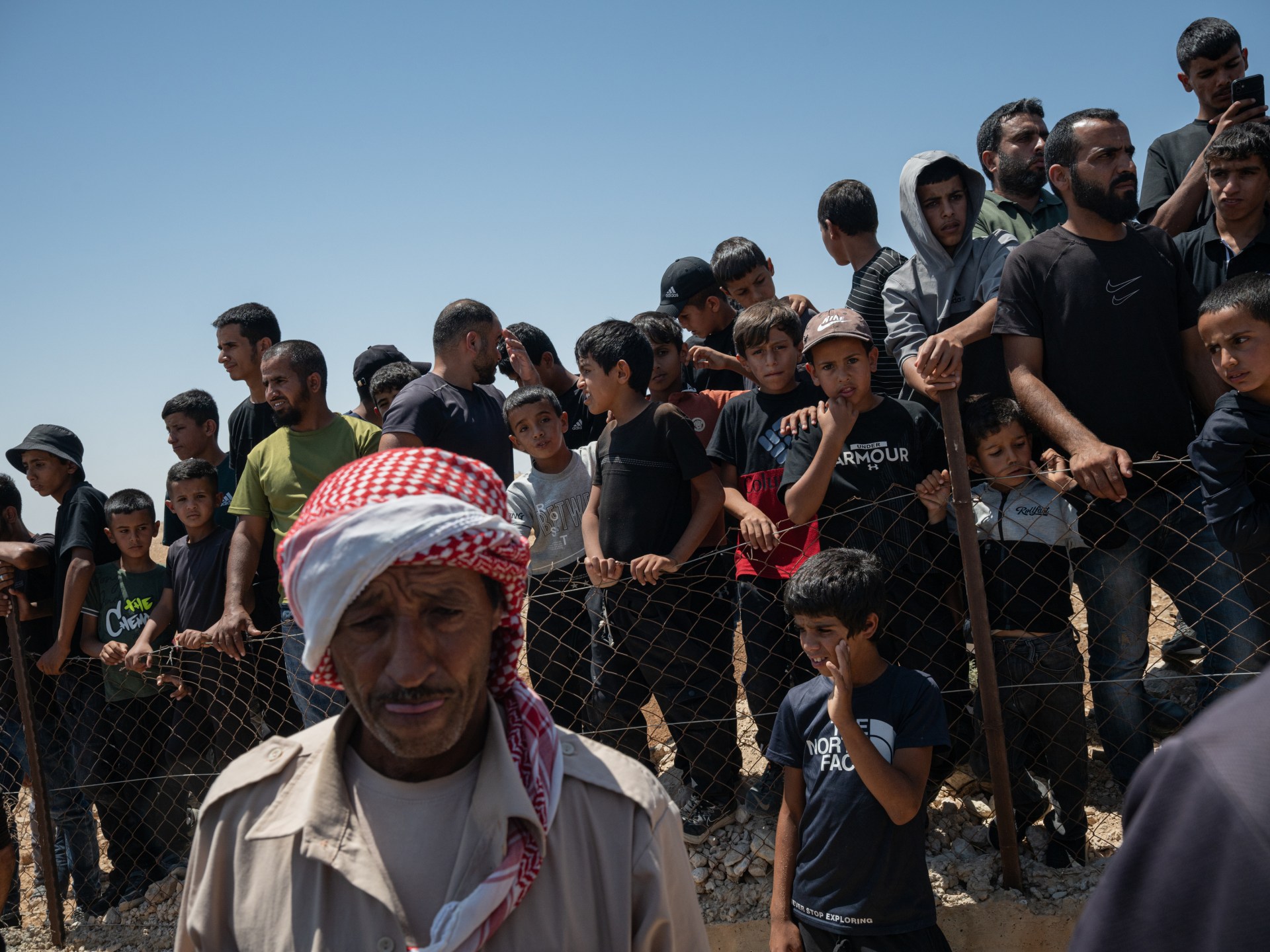
Kathmandu— In the Bedouin village of Umm al-Khair, traditional wedding celebrations have been overshadowed by a pervasive atmosphere of fear as Israeli settlers and military forces continue a campaign of displacement across the occupied West Bank. Residents report daily incursions, arrests, and the constant threat of demolitions, occurring against a backdrop of rising settler violence and a systematic effort to dismantle Palestinian community structures.
Tensions Rise During Local Celebrations
The community recently held weddings to mark the marriage of two local sons, but the festivities lacked the traditional dahiyya dance and communal chanting. Instead, families spread out in small groups, wary that large gatherings might attract military intervention.
During the celebrations, Shimon Atiya, an Israeli settler associated with the Havat Shorashim outpost, reportedly brought livestock to graze in a resident's vegetable garden while escorted by Israeli soldiers. This incident occurred shortly after an indictment was issued against Yinon Levi, an Israeli settler accused of killing Umm al-Khair activist Awdah Hathaleen, marking one of the few instances where an Israeli has been charged for such a killing in the West Bank since October 2023.
A Pattern Of Systematic Dispossession
Watchdog organizations and local residents describe a coordinated strategy of displacement involving demolitions, evictions, and restrictions on movement. Since October 2023, Israel has killed 1,100 Palestinians in the occupied West Bank, according to B’Tselem, and has demolished more than 3,000 Palestinian homes, many due to the routine denial of Israeli-issued building permits in Area C.
Data from the UN’s Office for the Coordination of Humanitarian Affairs (OCHA) indicates that demolitions and settler violence have displaced an average of 17 people per day this year, doubling the rate seen in the previous three years. The West Bank Protection Consortium noted that 96 percent of those forcibly displaced were previously dependent on farming or herding, having lost access to their traditional lands.
Cultural Erasure And Identity Conflict
Beyond physical displacement, residents argue that the occupation seeks to erase Palestinian heritage and identity. Tariq Hathaleen, a community leader in Umm al-Khair, observed settlers attempting to adopt Bedouin lifestyles, including wearing Palestinian scarves and using local dialects, in an effort to claim indigenous status.
"They know the Indigenous people of this land are the Bedouins and other Palestinians. So, they try to imitate that – to show to themselves and to the world that they are the Indigenous people of this land," Hathaleen said. He characterized the movement as a state-planned effort carried out by settlers to expand Israeli control over the territory.
As the United Nations prepares to observe the International Day of the World’s Indigenous Peoples, residents in the West Bank remain resolute despite the ongoing pressure to leave their ancestral lands.
(With inputs from Al Jazeera)
Originally published on abcnews.com.np.


प्रतिक्रिया दिनुहोस्