

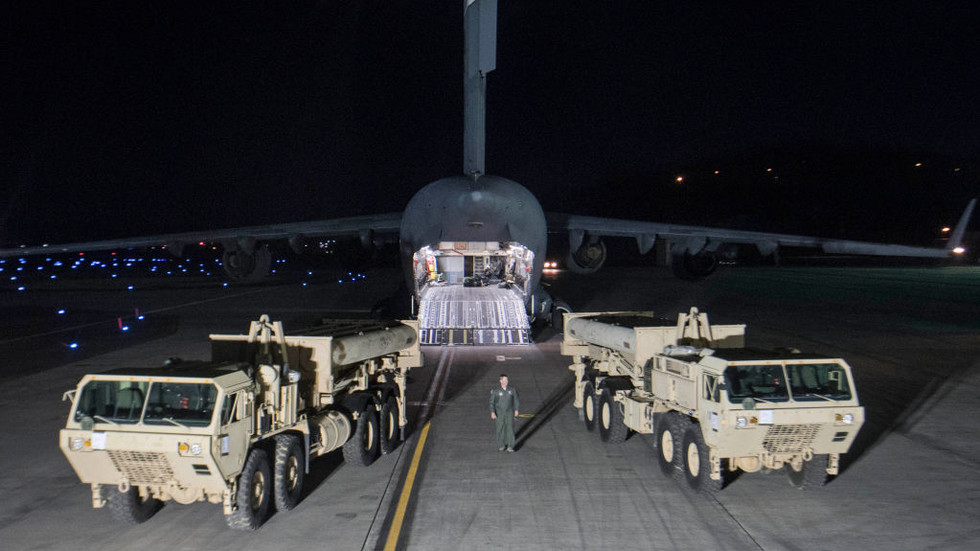
Kathmandu— Recent military engagements involving Iran have significantly depleted US stockpiles of precision-guided missiles and interceptors, impacting security assurances extended to allies in Asia. The campaign, initiated on February 28 with a joint US-Israeli action against Iran, has resulted in delays of crucial equipment deliveries to nations like South Korea and Japan, raising fears about America’s capacity to respond to escalating tensions with China and North Korea. Hundreds of interceptors have been redirected from Asian locations to bolster defenses in the Middle East, according to senior officials cited in a New York Times report.
Impact on Regional Security
The diversion of military resources has sparked concerns among US allies in Asia regarding their own defense capabilities. Some officials fear that South Korea and Japan may begin to question America’s commitment to protecting them amidst existing geopolitical challenges posed by China and North Korea.
The New York Times reported that the use of Tomahawk missiles and other weaponry initially earmarked for a potential conflict over Taiwan during strikes on Iran has further exacerbated these concerns. The shifting of ships, aircraft, and air defense units from Asia to the Middle East is also said to be having “cascading consequences” for equipment maintenance and troop morale.
Depleted Stockpiles
The conflict in Iran has led to a substantial reduction in US missile inventories. Over 1,500 Patriot interceptors have been expended, leaving fewer than 1,700 remaining in the United States’ possession.
The depletion of these resources comes at a time when tensions are already high in multiple regions, potentially limiting America's ability to respond effectively to future crises.
Conflicting Statements from Washington
Despite reports detailing ammunition shortages, US President Donald Trump and War Secretary Pete Hegseth have publicly denied any such issues. They accuse the media of disseminating misinformation and claim that the country possesses “unlimited” stockpiles.
Trump also placed blame on his predecessor, Joe Biden, alleging that providing weapons to Ukraine “free of charge” has contributed to the current situation. When questioned about sending additional Patriot air defense missiles to Ukraine, Trump stated, “We want missiles too.”
The long-term implications of these shortages for US foreign policy and regional stability remain unclear, but officials are reportedly assessing the impact on both Asian allies and ongoing commitments.
(With inputs from RT)
Originally published on abcnews.com.np.



प्रतिक्रिया दिनुहोस्