

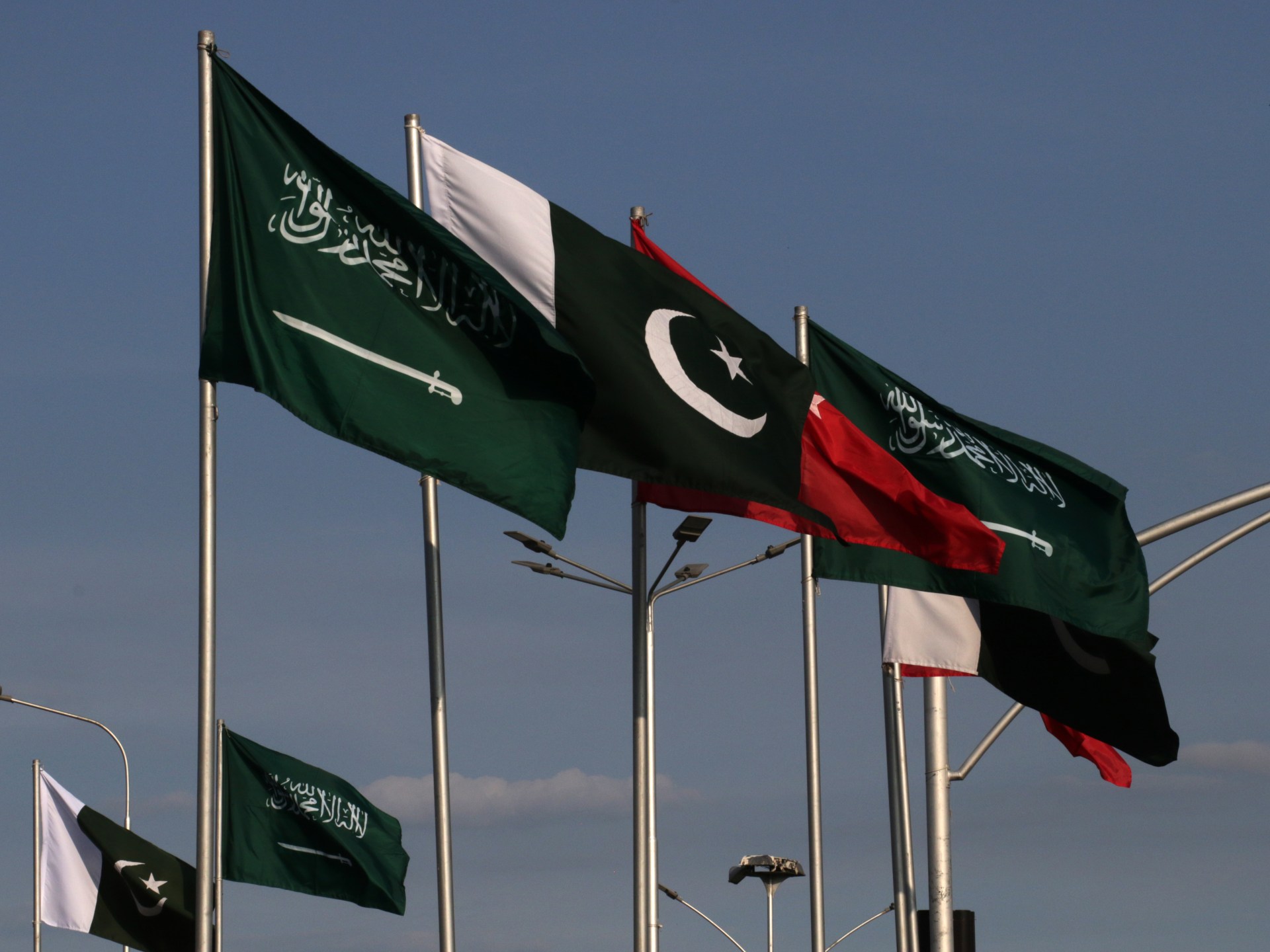
Kathmandu— Türkiye is actively pursuing an expansion of its newly formed defense pact with Saudi Arabia and Pakistan, envisioning a broader alliance aimed at bolstering regional security, according to Foreign Minister Hakan Fidan. The Mecca Joint Deterrence Agreement, signed Friday, establishes a mutual defense commitment between the three nations—treating an attack on one as an attack on all—and builds upon a prior agreement between Riyadh and Islamabad. While details are still being finalized, Ankara hopes to incorporate additional countries under this umbrella, with Egypt currently considered a leading candidate for membership.
Pact’s Core Principles
The Mecca defense pact is modeled after NATO's collective security principle, stipulating that an attack on any member state will be considered an attack on all. However, the specifics of how support would be provided in such a scenario are still under consultation. Turkish officials have emphasized that the agreement isn’t intended to replace existing alliances and does not target any specific country, including Iran. Fidan stated that allies will determine the extent and nature of their response to an attack through ongoing discussions, ensuring no member is viewed as a threat unless directly attacked.
Egypt as a Key Potential Member
Egypt has been identified by Turkish officials as a “natural partner” and a likely candidate for joining the pact. Fidan anticipates Cairo’s formal accession once outstanding “technical issues” are resolved, noting that relations between the two countries already reflect an alliance-like dynamic. Ali Bakir, professor of international relations at Qatar University, believes Egypt's inclusion would significantly enhance the pact’s regional influence and effectiveness.
Cairo’s Reservations and Conditions
Despite a strengthening relationship with Saudi Arabia, Pakistan, and Türkiye—as part of the R4 group—analysts suggest Cairo may approach joining the defense treaty cautiously. Karim Elgendy, associate fellow at Chatham House, explains that Egypt will likely seek assurances protecting its aid relationship with Washington, preserving existing alliances and peace treaties, and maintaining autonomy in military engagements. Legal and operational concerns also need to be addressed, ensuring any commitment doesn’t conflict with Egyptian interests regarding Israel or other regional conflicts. Ahmed Aboudouh of Chatham House notes Cairo's preference for issue-specific security arrangements over broad defense commitments.
Other Potential Candidates
Beyond Egypt, several Gulf states have been suggested as potential future members. Former Qatari Prime Minister Sheikh Hamad bin Jassim Al Thani has expressed hope that all members of the Gulf Cooperation Council (GCC) will join the pact. Fidan also indicated that other regional nations have already signaled interest. Elgendy highlights Qatar and Kuwait as particularly likely candidates, citing their close ties to the existing signatories and a desire for increased security following recent regional tensions. Bakir adds Azerbaijan, Syria, and Jordan to the list of possible additions.
Limited Expansion Expected
While Ankara envisions a wider alliance, some analysts remain skeptical about its potential for significant expansion. Elgendy suggests the pact will likely grow incrementally, with each country’s decision based on its own risk assessment. He anticipates a “coalition of the willing” rather than a comprehensive regional bloc.
The future trajectory of the Mecca Joint Deterrence Agreement remains uncertain as negotiations continue and potential members weigh the benefits and obligations of joining the pact.
(With inputs from Al Jazeera)
Originally published on abcnews.com.np.



प्रतिक्रिया दिनुहोस्