

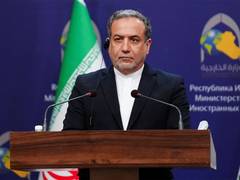
Kathmandu— Iran is not currently engaged in direct negotiations with the United States, instead relying on intermediaries to exchange messages as several countries work to create conditions for renewed dialogue, according to Iranian Foreign Minister Seyyed Abbas Araghchi on Sunday.
Conditions for Renewed Negotiations
While intermediary nations are working to re-establish the groundwork for diplomatic engagement, Tehran has set strict prerequisites for returning to the negotiating table. Foreign Minister Araghchi stated that there is no possibility of resuming direct talks until the United States ends its violations of the 14-point Islamabad Memorandum of Understanding and provides compensation for those violations.
“In our opinion, there is no possibility of resuming negotiations until the US’s violation of the Islamabad Memorandum of Understanding ends and the US makes up for what it has violated,” Araghchi said during a press conference.
Strait of Hormuz Maritime Negotiations
Parallel to diplomatic efforts with Washington, Iran is nearing an agreement with Oman regarding a legal mechanism for managing maritime traffic through the strategic Strait of Hormuz. Araghchi noted that negotiations are focused on determining a new route for traffic, as the previous traffic separation scheme (TSS) is no longer acceptable to Tehran.
While the deal with Oman is described as “very close,” the Foreign Minister emphasized that reopening the waterway remains subject to additional conditions, including compensation from the U.S. for its previous violations of the Islamabad memorandum. He noted that establishing a new TSS involves extensive technical and legal complexities.
A U.S. official indicated that progress in the Oman-Iran talks could lead to the reopening of the Strait of Hormuz and the restoration of disrupted oil exports, potentially leading to the lifting of the blockade on Iranian ports.
(With inputs from ANI)
Originally published on abcnews.com.np.

प्रतिक्रिया दिनुहोस्