

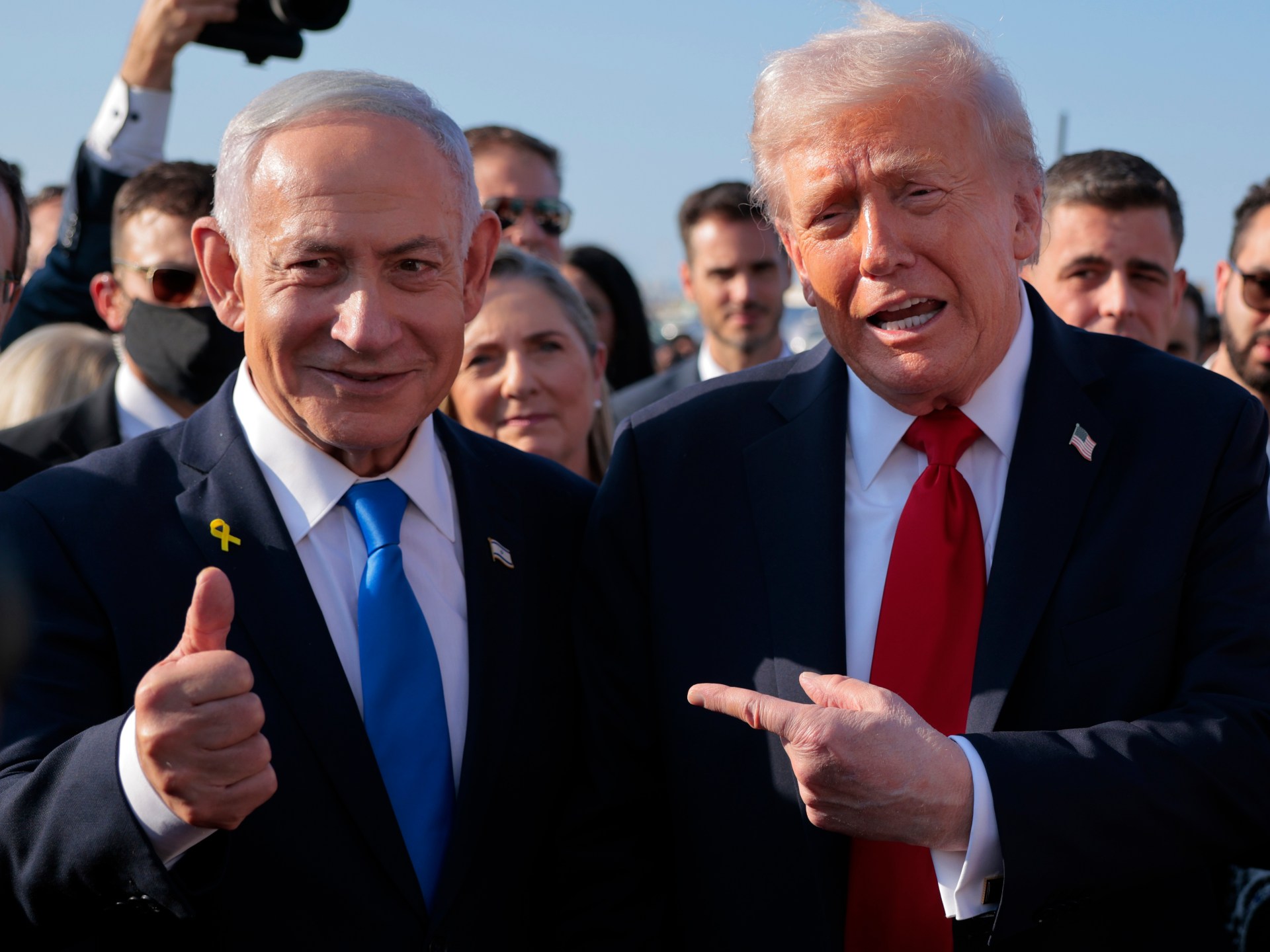
Kathmandu— Israeli Prime Minister Benjamin Netanyahu rejected a 15-point plan proposed by United States President Donald Trump to end conflict in Gaza, stating that Israeli forces will remain until Hamas is “genuinely disarmed.” The decision comes amidst mounting criticism of the plan and as Israel continues military operations in Gaza following months of intense fighting that has resulted in over 73,300 Palestinian deaths. Trump’s framework, unveiled late last month, called for a phased disarmament of armed groups like Hamas in exchange for an Israeli troop withdrawal overseen by an international security force, but Netanyahu, facing domestic political pressure and upcoming elections, has hardened his stance.
Trump's 15-Point Plan Details
The US-led Board of Peace proposed the 15-point roadmap on July 30th, outlining a phased approach to disarmament and reconstruction in Gaza. The plan hinges on Hamas relinquishing its weapons in exchange for a full Israeli military withdrawal and a transition of governance to an independent Palestinian National Committee, supported by international security forces. Established by Trump last October, the Board of Peace is responsible for overseeing the implementation of the Gaza peace plan under United Nations Security Council Resolution 2803.
Netanyahu's Rejection and Concerns
Addressing his cabinet, Netanyahu stated that Israeli troops would not withdraw “until Hamas is genuinely disarmed and will continue to thwart threats against our forces and our citizens.” He acknowledged ongoing discussions with Washington, noting some points of agreement but asserting Israel’s willingness to defend its positions. Al Jazeera’s Nour Odeh reported that the plan is particularly controversial for Netanyahu's right-wing government, who appear to have “hit the reset button” ahead of elections.
Palestinian and Expert Reactions
Many Palestinians in Gaza anticipated Israel’s rejection, expressing concern about increased uncertainty. Al Jazeera’s Hani Mahmoud reported that the plan was intended to provide structure but now leaves the path forward unclear. Political analyst Xavier Abu Eid argued the Board of Peace's framework prioritized Israeli interests over Palestinian self-determination, while former Israeli diplomat Alon Pinkas suggested Netanyahu views continued conflict as politically advantageous.
Ongoing Conflict and Casualties
Since beginning its war in Gaza in October 2023, Israel has killed more than 73,300 Palestinians. Despite agreeing to a US-mediated “ceasefire” with Hamas in October 2025, Israeli strikes have continued, resulting in over 1,200 additional Palestinian deaths according to the Gaza Health Ministry.
The rejection of Trump’s plan casts doubt on the prospects for a near-term resolution to the conflict in Gaza and raises concerns about prolonged instability. Further negotiations between Israel and the United States are expected, but the path forward remains uncertain.
(With inputs from Al Jazeera)
Originally published on abcnews.com.np.



प्रतिक्रिया दिनुहोस्