

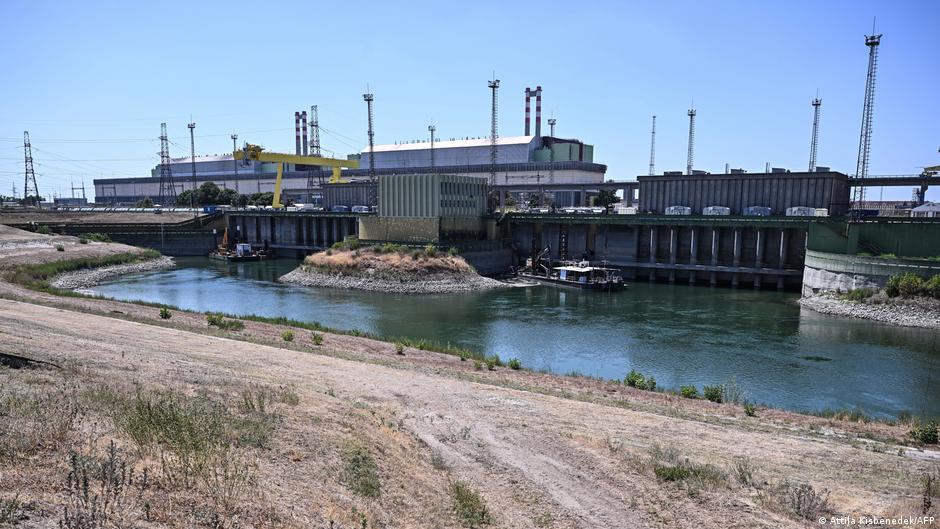
Kathmandu— Europe's reliance on nuclear power is increasingly challenged by rising temperatures and dwindling water resources, as evidenced by recent operational adjustments at plants in Hungary and France. The Paks plant in Hungary briefly risked a complete shutdown due to record-low Danube levels, while French reactors have experienced significant output reductions during heat waves in June and July 2026. These curtailments, though currently manageable, highlight the vulnerability of nuclear energy production to climate change and its potential impact on European electricity markets.
Impact on France's Energy Output
France, Europe’s largest nuclear power producer, is particularly susceptible to these heat-related disruptions. While annual losses due to high temperatures have historically been minimal—less than 1% of total production between 2000 and 2022—short-term restrictions can be substantial. During recent heat waves, France's available nuclear capacity was temporarily limited by eight to nine gigawatts, representing up to one-fifth of its typical summer output. However, grid operators maintain that sufficient reserves have prevented overall shortfalls, and France has largely remained an electricity exporter.
Balancing Power Generation with Environmental Concerns
Nuclear power plants require substantial amounts of water for cooling, releasing waste heat into rivers or the sea. When water levels are low, this discharged heat raises river temperatures, potentially harming aquatic life. Consequently, operators often reduce reactor output to comply with legal temperature limits and protect ecosystems. In some cases, authorities grant temporary exemptions, increasing monitoring efforts to mitigate environmental impact. Plants equipped with cooling towers draw less water but remain vulnerable, as demonstrated by facilities on the Garonne and Meuse rivers.
Long-Term Trends and Future Planning
Beyond immediate heat impacts, France faces additional challenges from stress corrosion cracking and deferred maintenance in its aging reactor fleet. A recent audit office report predicts that climate-related downtime could triple or quadruple by 2050. To address these concerns, France is incorporating climate change considerations into its nuclear modernization program, planning to build future reactors—the EPR2 series—primarily on the coast with cooling towers to minimize thermal load on waterways. Four of the six planned reactors will be built on the coast in Penly and Gravelines.
Ripple Effects Across Europe
The curtailment of French nuclear power has noticeable consequences for the broader European electricity market. On June 24th, reduced capacity due to high river temperatures led to a significant drop in France’s electricity exports—from 10-12 gigawatts to around three gigawatts. This, combined with increased demand and lower wind generation, drove up prices in France and Germany to levels not seen since January 2025. While subsequent heat waves saw even greater reactor curtailments, the impact on neighboring countries was somewhat lessened by imports of renewable energy from Spain.
While current disruptions appear manageable, the long-term implications of climate change for European nuclear power remain uncertain and will likely depend on future demand patterns and the growth of renewable energy sources.
(With inputs from DW)
Originally published on abcnews.com.np.






प्रतिक्रिया दिनुहोस्