

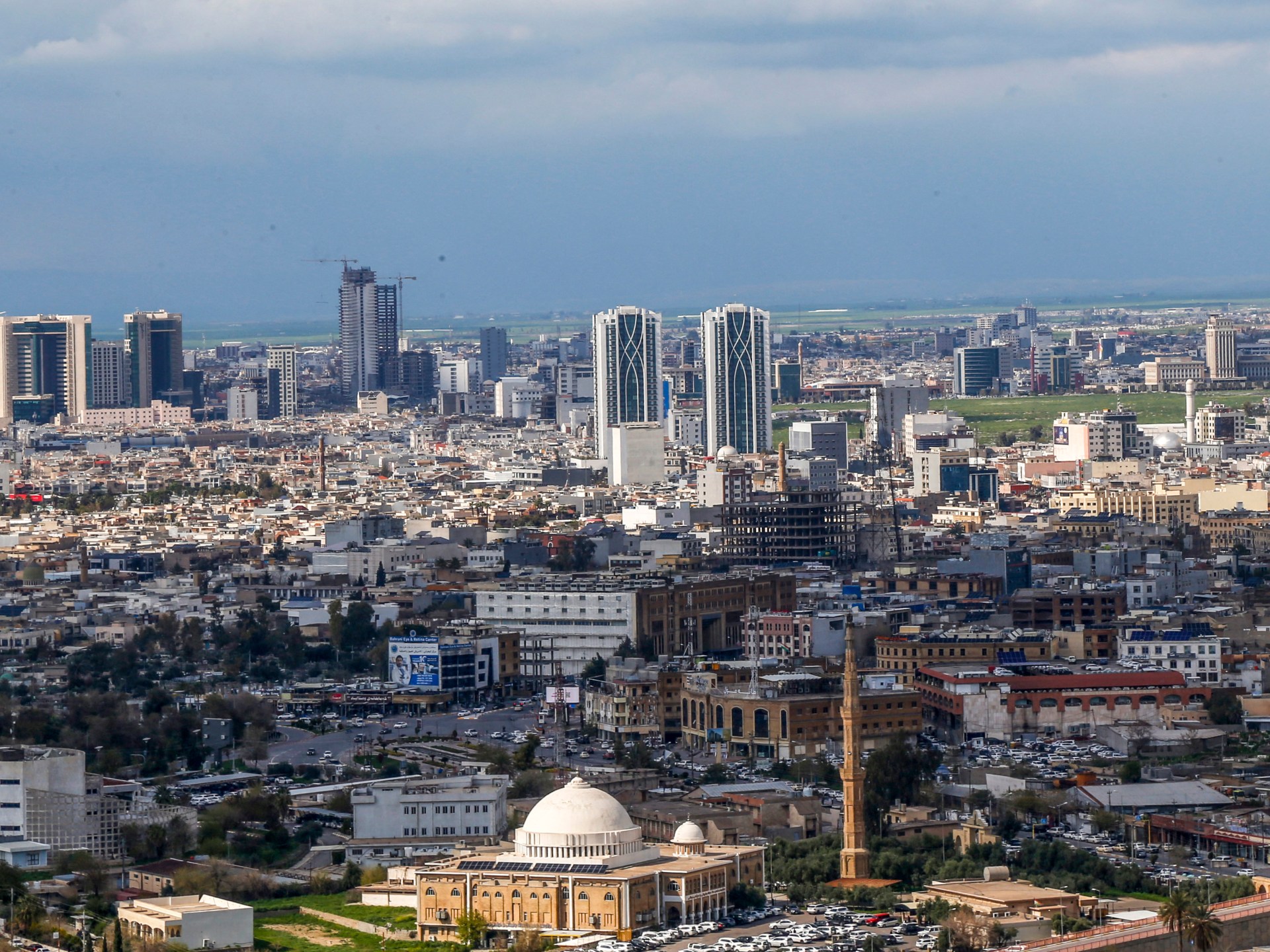
Kathmandu— For the past five months, Iraq’s semi-autonomous Kurdistan region has experienced significant repercussions from the conflict between the United States and Iran. Despite efforts by the Kurdistan Regional Government (KRG) to remain neutral and prevent attacks originating from its territory, the region—and Iraq as a whole—has suffered repeated missile and drone strikes. Prime Minister Masrour Barzani stated that the region has been directly targeted over 1,000 times, resulting in casualties, infrastructure damage, and a substantial decline in trade.
Escalating Attacks and Economic Impact
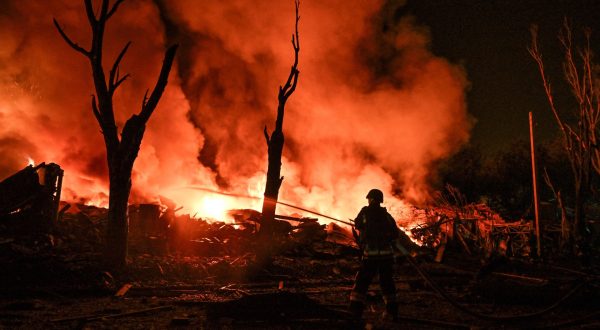
Since February, hundreds of missiles and drones have struck the Kurdish region, targeting military sites, energy facilities, bases belonging to Iranian opposition groups, and even civilian areas. The KRG estimates losses of 1.5 trillion Iraqi dinars ($1.14 billion) through April alone, figures shared with the central government in Baghdad. This conflict has severely impacted the oil and gas sectors, investment, and overall economic activity, exacerbating a pre-existing financial crisis within the region.
Unaddressed Concerns Over Armed Groups
Kurdish authorities claim to have identified the groups responsible for the attacks and provided their names to both the former and current Iraqi governments. These factions, operating outside of state control, continue to launch attacks even before the recent escalation with Iran. According to KRG spokesman Peshawa Hawramani, “There is no convincing reason to strike the Kurdistan region,” emphasizing that the region has not participated in or facilitated any actions against Iran. Jabbar Yawar, a security expert and former official, identified several groups responsible for the attacks including Iraqi Hezbollah, Sayyid al-Shuhada Battalions, Imam Ali Battalions, and the al-Nujaba Movement.
Oil Exports Disrupted, Financial Strain Deepens
The conflict has extended beyond direct attacks to impact Iraq’s broader economy. The Ministry of Oil declared force majeure on all oilfields developed by foreign companies due to disruptions in navigation through the Strait of Hormuz, halting most crude exports. This closure comes at a critical time as Prime Minister Ali al-Zaidi's government attempts to restructure the economy and reduce reliance on oil through projects like the “Development Road.” Aland Kareem Salih, an economy researcher, warns that a prolonged shutdown could be disastrous for the Kurdish region, potentially causing 100 percent damage to its energy sector. The KRG’s non-oil revenues have already fallen by approximately 70 percent.
Fears of Prolonged Instability
Residents of Erbil, Sulaymaniya and Duhok are increasingly concerned that the region may become a permanent battleground for proxy conflicts between Iran and its allies versus the U.S. and its partners. The KRG’s oil production has plummeted from 200,000 barrels daily to just 30,000, further compounding the financial difficulties faced by government departments. Even the real estate market has experienced a decline of 15-20 percent due to the ongoing instability.
The KRG continues to call for de-escalation and respect for Iraqi sovereignty while grappling with significant economic challenges stemming from the regional conflict, hoping that a resolution can be found before further damage is inflicted on its infrastructure and economy.
(With inputs from Al Jazeera)
Originally published on abcnews.com.np.





प्रतिक्रिया दिनुहोस्