

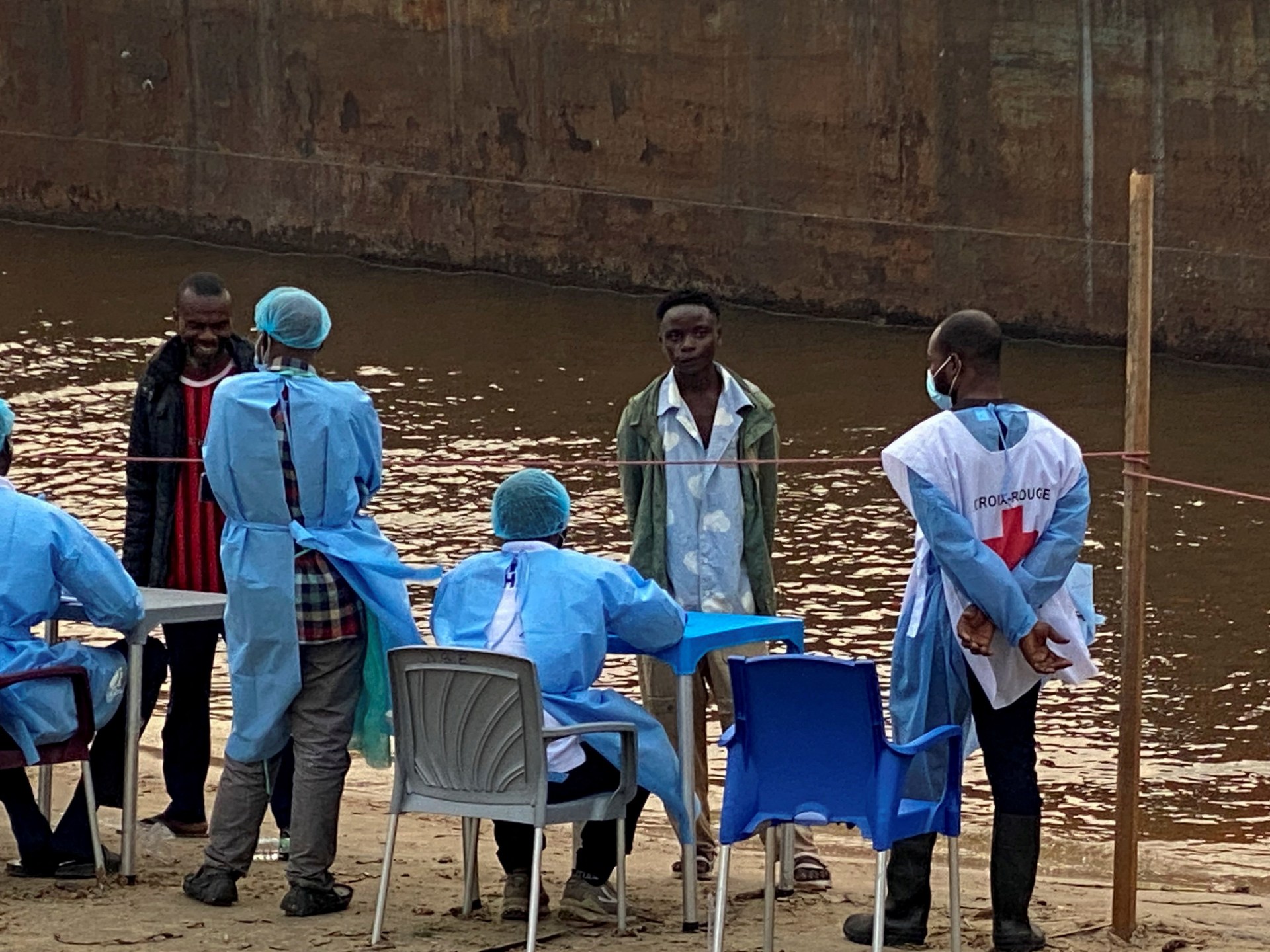
Kathmandu— More than 2,000 people have died from Ebola in the Democratic Republic of Congo (DRC) since the outbreak was declared fewer than three months ago, with at least 1,000 deaths occurring in the last three weeks alone. As of Tuesday, a total of 4,381 cases have been confirmed across five provinces, making this the fastest-growing Ebola outbreak on record in the Central African country and second only in size to the devastating West African outbreak from 2014 to 2016. The response has been hampered by factors including unpaid health worker strikes, misinformation, and traditional burial practices that contribute to further transmission.
Outbreak Severity and Scale
The current Ebola outbreak in the DRC is notable for its rapid progression. With 4,381 confirmed cases and 2,011 deaths as of Tuesday, it surpasses all previous outbreaks in the country except the West African epidemic that claimed over 11,300 lives. The concentration of recent fatalities – 1,000 within the last three weeks – underscores the accelerating nature of the crisis.
Challenges to Containment
Efforts to control the outbreak are facing significant obstacles. Strikes by health workers due to unpaid wages have disrupted essential services, while misinformation and deeply ingrained cultural traditions also hinder progress. Specifically, intimate family burials of Ebola victims pose a continued risk of transmission, as these practices can expose individuals to the virus.
Vaccine Development and Initial Detection
Currently, there is no approved treatment or vaccine for the Bundibugyo strain of Ebola driving the current outbreak in the DRC. The World Health Organization (WHO) initiated vaccine trials last week, but results are not expected for several months. The WHO also revealed that the virus first surfaced in the country as early as February – three months before the official declaration of the outbreak on May 15, which included neighboring Uganda.
Potential Case Identified Abroad
The potential spread of the virus beyond DRC’s borders is raising international concern. On Tuesday, Israel's Ministry of Health announced it was investigating a possible Ebola case after a citizen returned from the DRC with a fever. The individual has been isolated while awaiting test results, which are expected within 24 hours.
Health officials continue to work towards containing the outbreak and developing effective countermeasures, but the situation remains critical given the ongoing challenges and rapid spread of the virus.
(With inputs from Al Jazeera)
Originally published on abcnews.com.np.




प्रतिक्रिया दिनुहोस्