

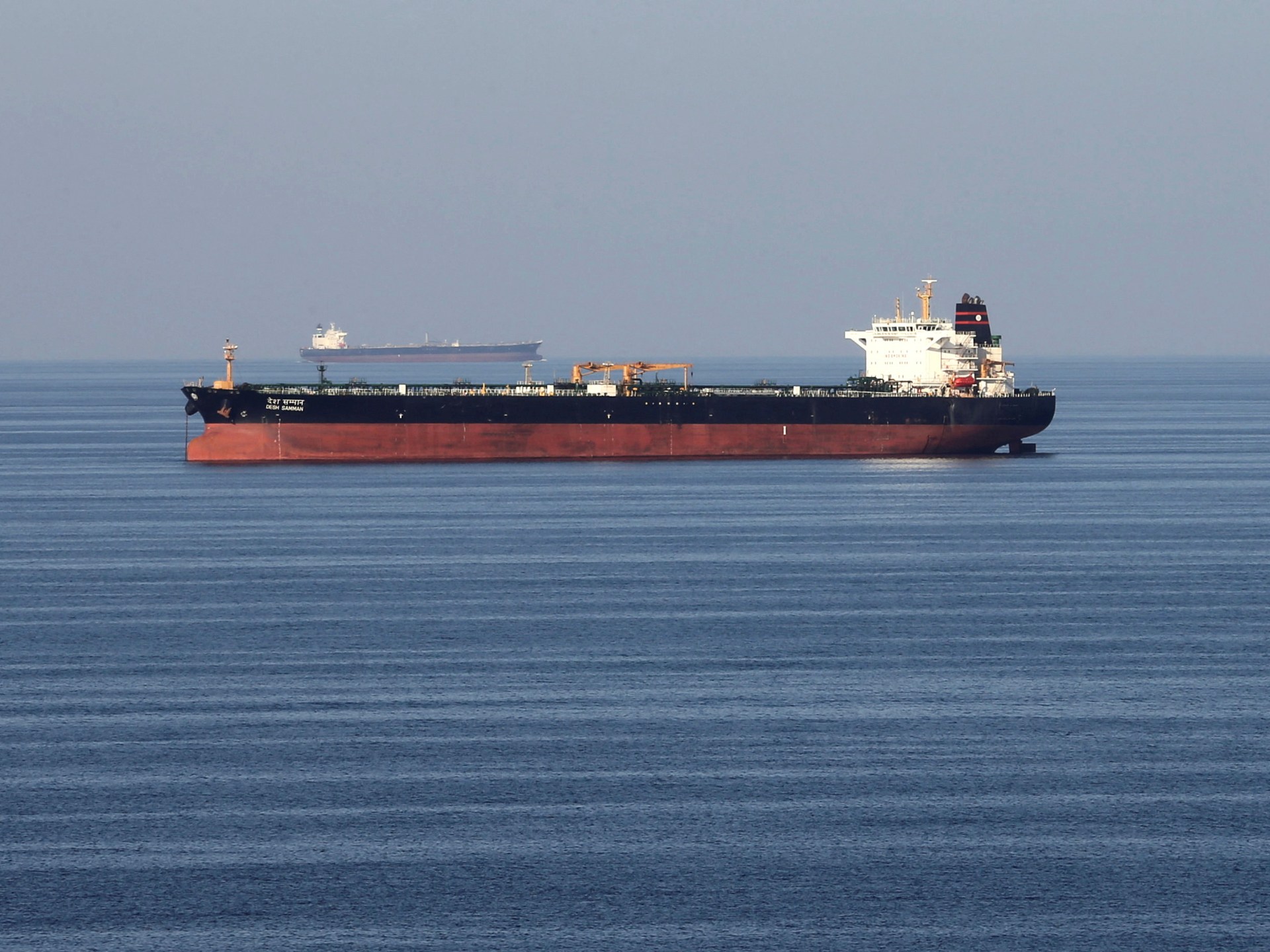
Kathmandu— Negotiations between the United States and Iran regarding the reopening of the strategically important Strait of Hormuz have stalled as both countries presented new, competing demands, raising concerns about a wider resolution to their five-month conflict. While the US maintains direct involvement in talks, Iran states it is negotiating solely with Oman, proposing joint management of the strait – a key shipping lane for global oil and gas supplies disrupted by fighting that began in late February. The exchange of conditions centers on financial reparations for past conflicts and future control of the waterway, complicating efforts to achieve a diplomatic breakthrough.
Competing Demands Escalate Tensions
On Monday, US President Donald Trump announced he would seek compensation from Iran for damages linked to decades of conflict, stating, “We’re going to ask for money for the damage they’ve done over a 50-year period.” He specifically cited the 2000 USS Cole bombing and recent deaths of Iranian protesters as justification. These demands followed Iran's issuance of six new conditions last week, including an end to US threats, cessation of attacks on its allies, lifting of naval blockades and sanctions, compensation for past wars, and the release of frozen assets. Oil prices surged more than 5 percent in response to Trump’s statements, signaling market anxiety over the stalled negotiations.
Oman's Role as Intermediary
Iran is currently negotiating with Oman regarding a new shipping arrangement within the Strait of Hormuz, aiming to define new shipping lanes and reach an agreement that appears to be in its “final stages,” according to Foreign Minister Abbas Araghchi. Despite denying direct talks with the US, Tehran acknowledges messages are being exchanged through intermediaries. This focus on Omani mediation highlights Iran’s preference for a regional partner as a buffer in negotiations with Washington.
Diminished Prospects for Broader Peace
Analysts suggest that broader peace negotiations between the US and Iran are unlikely to resume until the issue of the Strait of Hormuz is resolved. Negar Mortazavi, senior fellow at the Centre for International Policy, explained that both sides are presenting “maximalist demands” ahead of serious negotiation. She cautioned that Trump’s insistence on compensation for past events could prove particularly difficult for Tehran to accept, while Iran seeks guarantees against future conflict and economic relief following the war. Hossein Royvaran, a political analyst based in Tehran, believes the outcome will depend on which side demonstrates greater endurance given the domestic pressures both countries are facing.
Conflicting Signals from US Officials
The escalatory rhetoric from President Trump appears to contrast with comments made by Vice President JD Vance, who expressed confidence over the weekend that a deal with Iran was achievable and would benefit the American public. Vance also stated that Iran had assured the US it has “no plans” to impose tolls on ships passing through the Strait of Hormuz.
As negotiations remain stalled, oil prices continue to fluctuate, reflecting the uncertainty surrounding the future of the Strait of Hormuz and the broader conflict between the United States and Iran. The path forward remains unclear, with both sides seemingly entrenched in their positions.
(With inputs from Al Jazeera)
Originally published on abcnews.com.np.

प्रतिक्रिया दिनुहोस्