

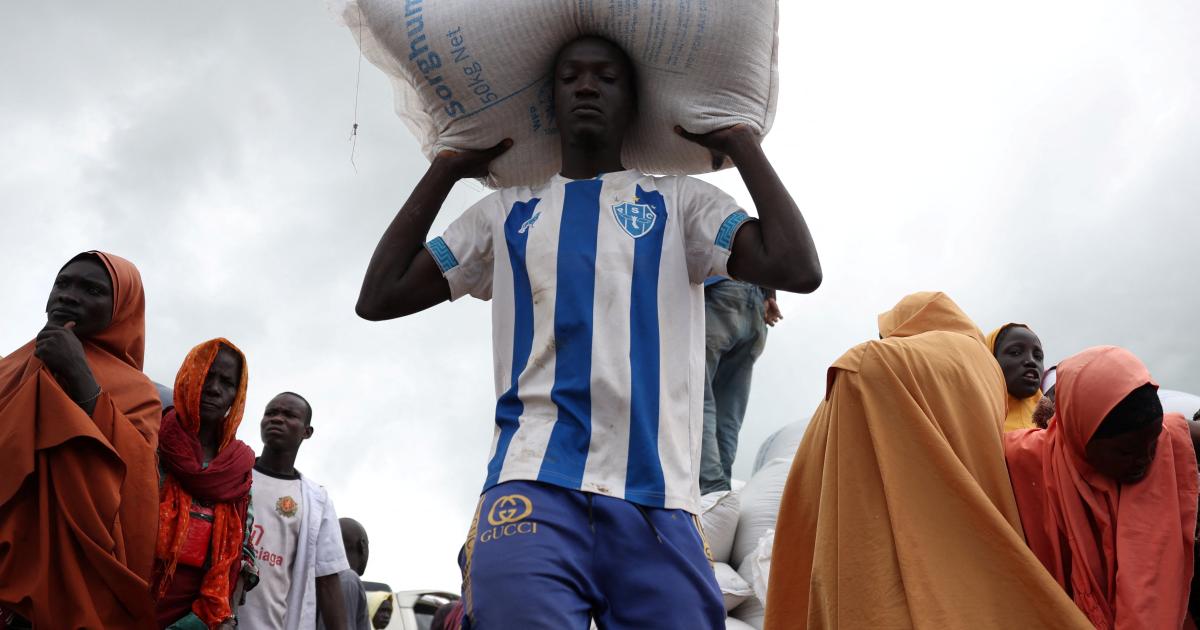
Kathmandu— For decades, roughly sixty of the world’s poorest countries have relied heavily on foreign aid from governments and international organizations. However, recent cuts by major donors—including the United States under President Donald Trump—have created a significant challenge for these fragile states, resulting in an estimated 500,000 child deaths. While acknowledging the benefits of past assistance, experts argue that continued dependence on external funding does not foster sustainable growth and leaves countries vulnerable to geopolitical shifts; instead, they propose a new strategy centered on self-reliance through leveraging natural resources, diaspora remittances, and regional cooperation.
The Great Withdrawal
When Donald Trump returned to office in January 2025, he swiftly dismantled the existing system of economic development by abolishing the U.S. Agency for International Development (USAID) and slashing contributions to organizations like the Global Climate Fund and the World Health Organization. This resulted in the termination of over 5,000 USAID projects and the shuttering of numerous other programs funded by Washington. Furthermore, Trump’s tariffs undermined trade provisions benefiting vulnerable states. Other Western governments—Belgium, France, the Netherlands, Sweden, Switzerland, and the United Kingdom—have also reduced aid in favor of domestic spending, with the UK's humanitarian assistance falling below pre-COVID levels and impacting health programs in countries like Gambia, Kenya, and Eritrea.
Emerging Alternatives
While Western aid declines, China, India, and Russia are increasingly positioning themselves as alternative sources of assistance. Although only China has increased its development spending, all three nations have seen growing demand for partnerships in Africa and the Global South. The New Development Bank, backed by China, India, and Russia, is mobilizing resources for infrastructure projects, while Beijing and Moscow are pushing to reduce reliance on the U.S. dollar in international trade. However, these alternatives come with drawbacks; India and Russia offer limited aid budgets, and Chinese assistance primarily takes the form of loans and commercial activities often lacking transparency or a focus on human rights.
Harnessing Internal Resources
Fragile countries possess significant untapped potential in natural resources and diaspora remittances. Nations like Afghanistan, Angola, and the Democratic Republic of Congo hold vast deposits of valuable minerals—including coltan and cobalt estimated at over $24 trillion—that could drive economic growth if properly harnessed. In 2025, remittances to Africa totaled $100 billion, exceeding both overseas development assistance and foreign direct investment in many countries. To maximize these resources, policymakers need updated geological surveys, modern mining technologies, diaspora engagement, regional collaboration, and robust measures to combat corruption and illicit activities.
The Power of Regional Cooperation
Weak states can also benefit from closer cooperation with their neighbors, who share a vested interest in regional stability. Regional organizations like the African Union have already demonstrated success in averting governmental collapse in countries such as Haiti, Liberia, and Somalia, providing technical assistance and promoting initiatives focused on governance, peace, and economic development. The African Continental Free Trade Area is projected to boost incomes across Africa by over $450 billion by 2035. While challenges remain—such as recent coups in West Africa—regional bodies offer valuable local knowledge and legitimacy.
A Shift in Focus
Although the reduction in aid from wealthy donor countries is regrettable, developing nations must prioritize self-reliance and regional partnerships to achieve sustainable growth. While restored aid budgets would be beneficial, these countries are unlikely to reverse course. Therefore, fragile states need to leverage their internal resources and forge stronger relationships with neighboring governments, recognizing that self-help and regional cooperation are now the most viable paths forward.
Despite the challenges, a shift towards greater self-reliance and regional collaboration offers a potential pathway for fragile states to achieve sustainable development and reduce their vulnerability to external pressures.
(With inputs from Foreign Affairs)
Originally published on abcnews.com.np.




प्रतिक्रिया दिनुहोस्