

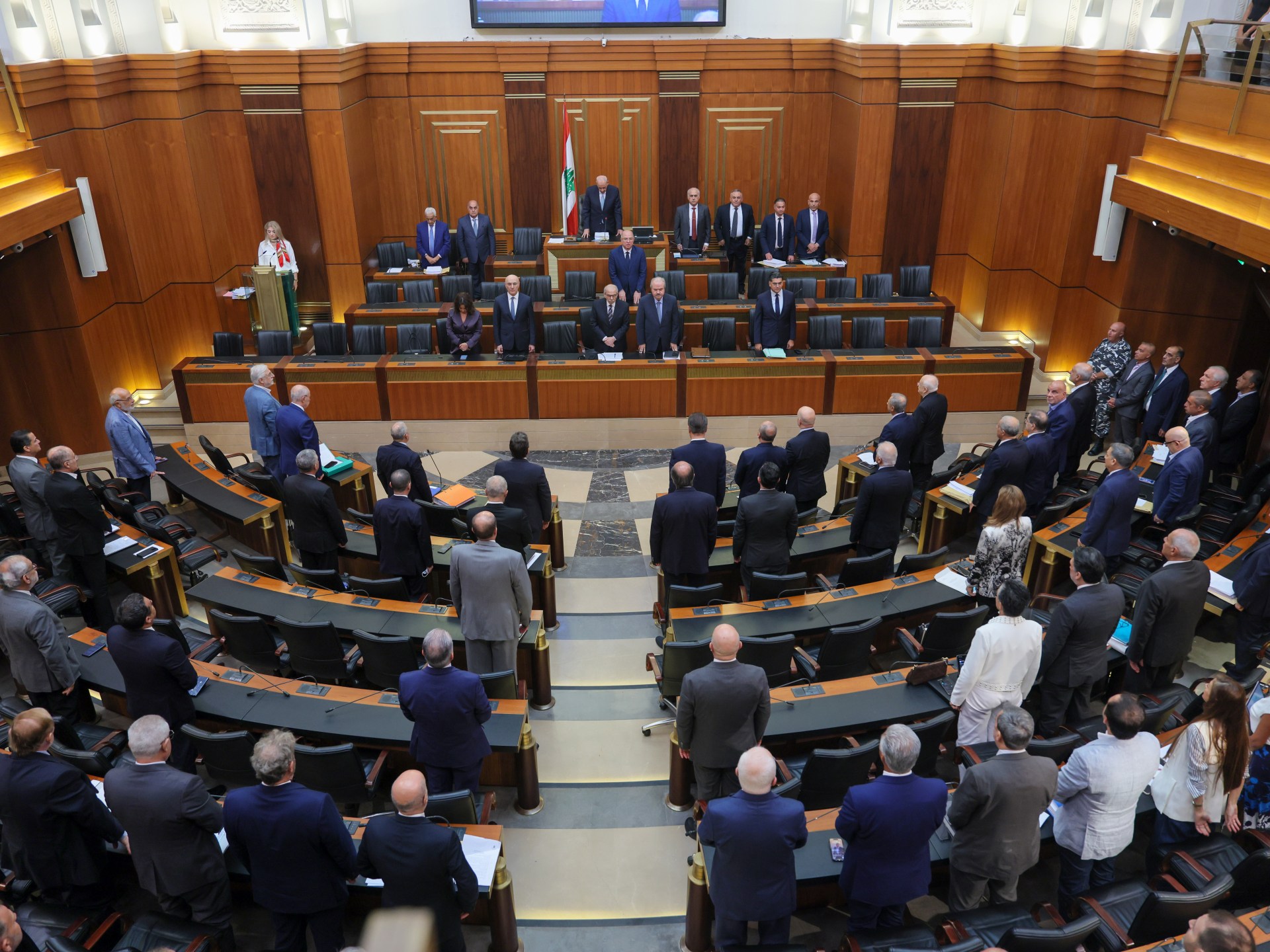
Kathmandu— Lebanon’s parliament approved a general amnesty law on Wednesday that will reduce prison terms for many convicted individuals and release detainees, addressing severe overcrowding in the nation's prisons. The first such legislation since 1991 passed via a show-of-hands vote, according to Lebanon’s National News Agency, and follows closely after the parliament formally abolished the death penalty. Driven by demands from various political factions, the law aims to alleviate pressure on the prison system while also addressing long-standing grievances related to past conflicts and offenses. However, it has drawn criticism from families of victims who fear perpetrators may receive lenient treatment.
Addressing Prison Overcrowding
Lebanon’s prisons are operating at 300 percent capacity, housing at least 6,268 inmates as of the end of March, according to a 2025 report by the country’s National Human Rights Commission. The amnesty law is intended to alleviate this overcrowding by reducing sentences and releasing prisoners who have been detained for extended periods without charges. Lawmaker Imad al-Hout stated that the law reduces sentences for those facing death or life imprisonment to 17 ‘prison years,’ which equates to approximately 12 years and nine months of actual confinement in Lebanon.
Political Motivations Behind the Amnesty
The push for a general amnesty gained momentum following recent political shifts, including developments related to Syria. Many prisoners were jailed over events linked to the Syrian civil war, with a significant number originating from Tripoli, accused of crimes ranging from attacking the Lebanese army to planning bombings. Various groups have been advocating for the release of their communities; Hezbollah and its allies seek amnesty for drug-related offenses and car theft in Baalbek and Hermel, while Christian parties want inclusion for those who fled to Israel after the 2000 withdrawal, fearing retribution.
Mixed Reactions to the Law
While many have welcomed the passage of the law, it has faced opposition from families of Lebanese soldiers and servicemen killed in attacks. These groups fear that perpetrators may receive undue leniency under the amnesty provisions. Deputy Walid Baarini praised the “long-awaited passage” of the law, expressing hope for a “new chapter” focused on justice and national interest. He stated on X (formerly Twitter) that “Amnesty is not forgetting a right, but rather prioritising mercy and wisdom when they align with the requirements of justice and the national interest.”
Historical Precedent
Lebanon previously enacted a general amnesty law in the aftermath of its 1975-90 civil war. This latest legislation reflects a similar attempt to address past grievances and promote reconciliation, though it arrives amidst a complex political landscape and ongoing concerns about justice for victims.
The full impact of the amnesty law remains to be seen as authorities begin implementing the sentence reductions and releases; however, it is expected to significantly alter the composition of Lebanon’s prison population.
(With inputs from Al Jazeera)
Originally published on abcnews.com.np.






प्रतिक्रिया दिनुहोस्