

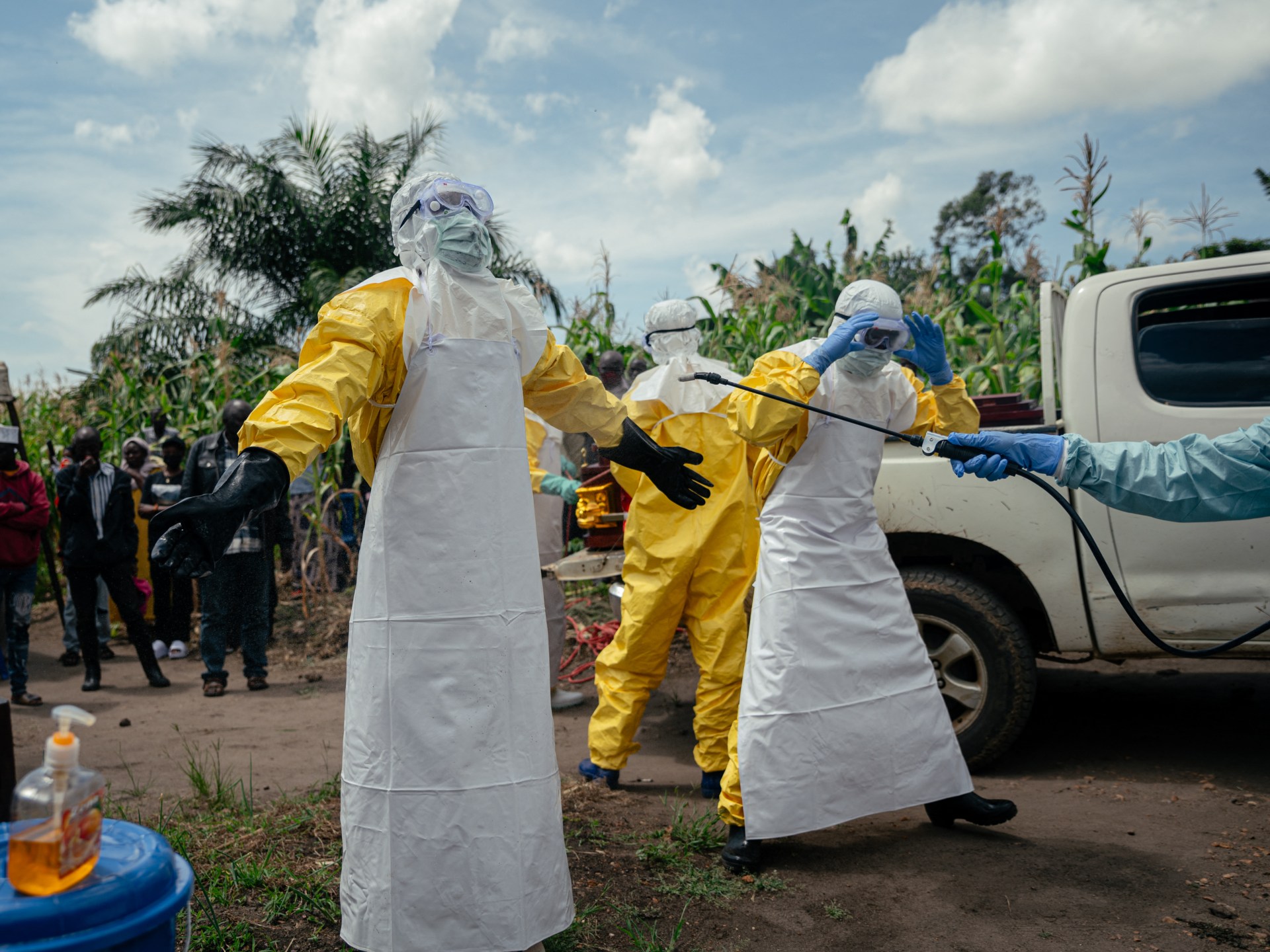
Kathmandu— An Ebola outbreak in the Democratic Republic of the Congo (DRC) is accelerating at a rate that threatens to surpass the devastating West Africa outbreak of 2014-2016, which claimed over 11,000 lives. As of Wednesday, more than 2,000 people have died from Ebola in the DRC out of over 4,300 recorded cases, making this the fastest-moving Ebola outbreak on record. The outbreak was formally declared on May 15th, but genetic sequencing revealed the virus had been circulating as early as February, and containment efforts are hampered by conflict, remoteness, and limited resources.
Escalating Crisis
WHO Director-General Tedros Adhanom Ghebreyesus warned that if the current pace of infection continues, this outbreak will eclipse the 2014-2016 West African Ebola crisis. That earlier outbreak spurred a significant international effort to develop an effective vaccine against the virus. The current outbreak is being driven by the rare Bundibugyo strain of Ebola, for which no approved vaccine or treatment currently exists.
Challenges to Containment
Containment efforts are significantly challenged by several factors, including the remoteness of affected areas and ongoing armed conflict near the borders with South Sudan, Uganda, and Rwanda. Health teams struggle to reach many communities where infections and deaths are occurring. Additionally, weak infrastructure, under-resourced clinics, misinformation circulating among the population, and recent strikes by healthcare workers over unpaid wages have all contributed to a slower response.
Projected Duration
Dr Abdirahman Mahamud, WHO’s director for health emergency alert and response operations, indicated that current projections suggest the outbreak could peak within six months. However, he cautioned that under a more severe scenario, the crisis could continue for as long as nine to twelve months. WHO officials have stated that if access to affected communities does not improve quickly, the current outbreak may surpass the death toll of the 2014-2016 West African epidemic.
The World Health Organization continues to monitor the situation closely and work with local authorities to improve access to healthcare and implement effective containment measures.
(With inputs from Al Jazeera)
Originally published on abcnews.com.np.




प्रतिक्रिया दिनुहोस्