

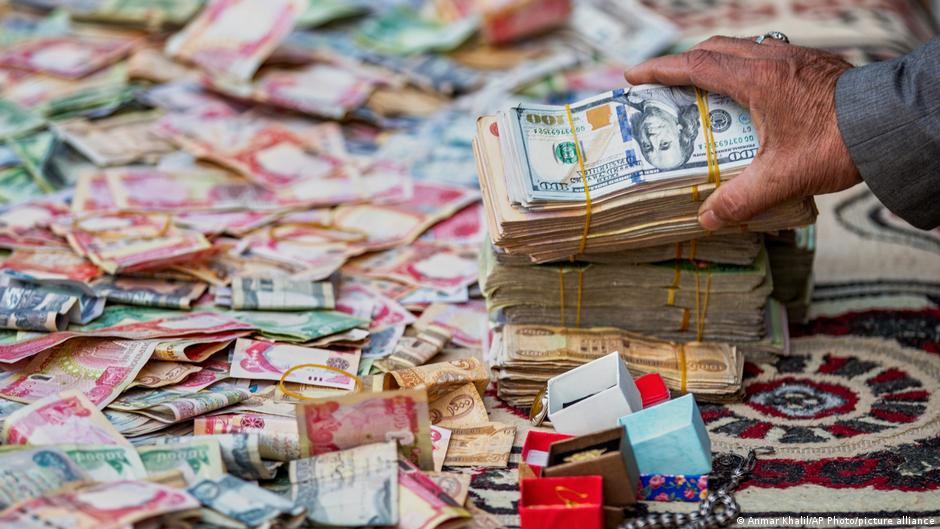
Kathmandu— The ongoing conflict involving Iran has triggered a blockade of the Strait of Hormuz, severely impacting Iraq’s economy which is almost entirely dependent on oil revenues. For months, Iraqi citizens have experienced delays in receiving salaries from the government as export volumes plummet, creating financial hardship and anxiety across the country. The crisis highlights Iraq's vulnerability to external geopolitical events and its reliance on a single source of income, prompting concerns about potential instability if conditions worsen.
Salary Delays Fuel Public Anxiety
Mahmoud Waleed, a teacher in Mosul paid by the Iraqi Ministry of Education, has experienced increasingly late salary payments over the past three months. He is not alone; thousands of Iraqis are facing similar delays as the government struggles with reduced cash flow. “The delay affects you a lot,” Waleed told DW. “Like most people, we have financial obligations… We’re just more and more convinced that we need to reduce expenses.” Another Mosul resident, a doctor who wished to remain anonymous, expressed concern about the uncertainty of future payments, noting that the Minister of Health attributed the delays to insufficient cash flow.
Oil Exports Plummet Amid Blockade
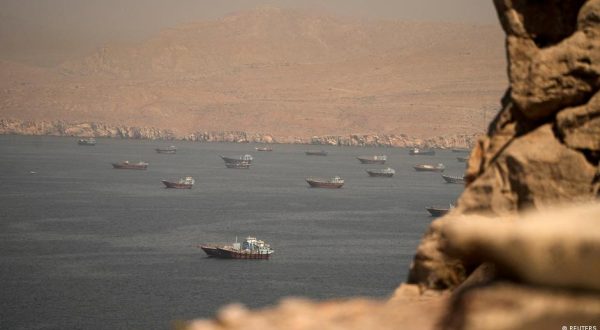
Iraq’s national budget relies heavily on oil exports, accounting for between 85% and 90% of its income. The country ships approximately 80-90% of its crude through the Strait of Hormuz, lacking significant alternative export routes. Since February, when Israel and the US bombed Iran, Tehran has effectively blocked the vital waterway. This blockade caused Iraqi oil exports to decrease by around 83% in March compared to the previous year, falling a further 97% by May. Consequently, Iraq’s monthly income dropped to between $2 billion and $2.3 billion in May and June – significantly less than the $6.5 to $8.2 billion needed for salaries, pensions, and social welfare each month.
Government Assures Public, Experts Remain Skeptical
Rumors of state salaries being paid only every 45 days recently sparked panic among Iraqis. The Iraqi government responded by denying the claims and asserting it holds $83 billion in reserves, including gold and non-oil income, enough to cover payments for another ten to eleven months. However, a report from UK advisory firm Oxford Economics casts doubt on this assurance, predicting that maritime traffic through the Strait of Hormuz will remain below pre-conflict levels at least until 2028. Iraqi economist Ali Al-Rawi argues the entire economy is now “hostage to… oil revenues.”
Potential for Instability Looms
While current salary delays haven’t triggered widespread protests, experts warn of potential instability if multiple crises converge. Hayder al-Shakeri, a research fellow at Chatham House, believes isolated sectoral protests are more likely initially, as the government has mechanisms to contain broader movements like the Tishreen protests of 2019-2021. However, he cautions that “If salary delays are combined with electricity shortages, inflation and deteriorating services over a sustained period, these separate protests could begin to connect,” posing a serious threat to Iraq’s recent stability.
Iraq is attempting to mitigate the impact of the blockade by exploring alternative export routes, including pipelines through Turkey and Syria, and seeking special concessions from Iran. The long-term solution, however, hinges on implementing economic reforms to diversify away from oil dependency.
(With inputs from DW)
Originally published on abcnews.com.np.


प्रतिक्रिया दिनुहोस्