

Kathmandu— The United Kingdom is currently facing a significant cost of living crisis, mirroring challenges felt globally as inflation persists despite recent modest declines. Prime Minister Andy Burnham recently began a nationwide tour to address public financial concerns amid rising prices for essential goods and services. The Bank of England anticipates further inflationary pressure in the latter half of the year due to geopolitical factors, specifically the conflict involving the United States and Israel impacting energy markets. This has resulted in increased costs for fuel, food, transport, and other necessities, disproportionately affecting lower-income households.
Inflation Trends and Drivers
The annual inflation rate in the UK was 2.8 percent in June, a slight decrease from 3 percent in May. This means that while prices are still increasing, the pace of increase has slowed; an item costing £100 in June of last year would now cost £102.80. Prior to recent international events, the Bank of England had projected inflation to fall to 2.3 percent by 2026, but it unexpectedly remained at 3.4 percent in March, largely due to higher fuel and heating costs.
Energy Costs Surge
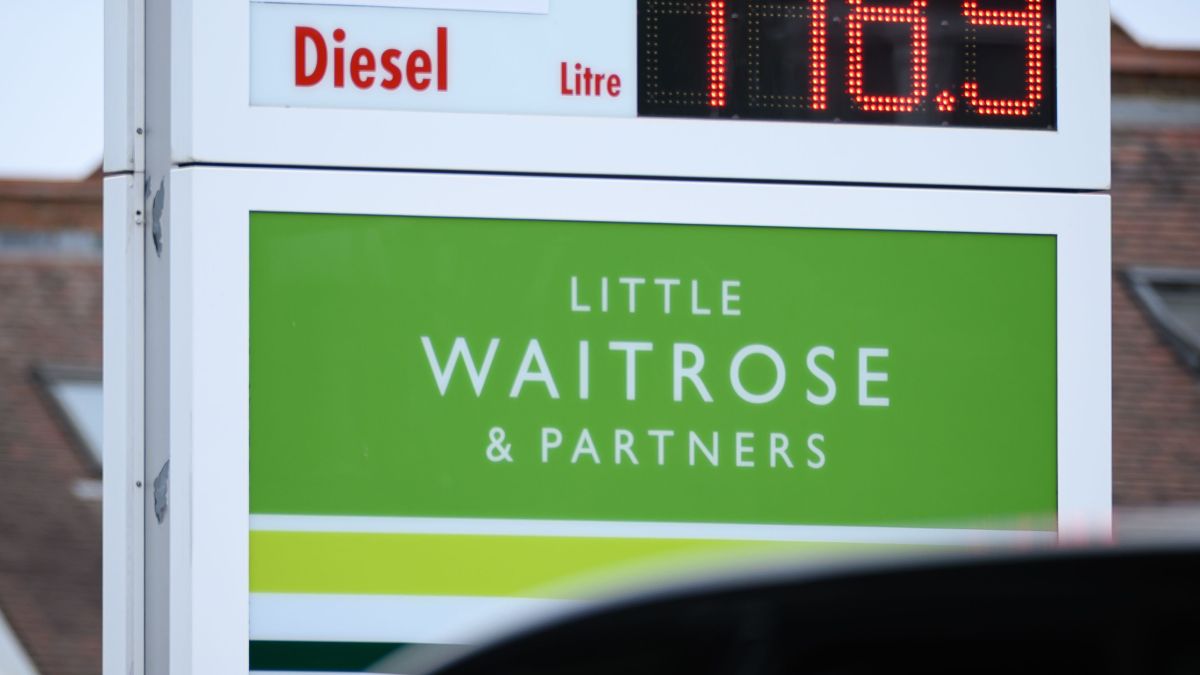
The closure of key shipping routes has significantly impacted energy prices, driving up the cost of petrol, diesel, transport, food, and other goods. Petrol prices in the UK have reached a three-and-a-half year high, with increases of 22 percent and 27 percent for petrol and diesel respectively between February 25th and August 11th. The average price of a litre of petrol rose from £1.32 to £1.61, while diesel increased from £1.42 to £1.81 per litre.
Disproportionate Impact on Low-Income Households
While all households are affected by inflation, those with lower incomes feel the impact most acutely. The Office for National Statistics (ONS) found that the poorest 20 percent of UK households spend an average of £407 per week compared to £1,084 for the richest 20 percent. Because a larger portion of their income is allocated to essential expenses like rent, energy, and food, lower-income families have less financial flexibility to absorb price increases. The Joseph Rowntree Foundation reports that 7.4 million low-income families are currently unable to afford basic necessities – the highest number since 2021.
UK Inflation Compared to G7 Nations
The UK’s inflation rate of 2.8 percent in June places it mid-range among the Group of Seven advanced economies. The US currently has the highest inflation at 3.5 percent, followed by Italy (3 percent), Canada (2.8 percent), Germany (2.3 percent), France (1.8 percent) and Japan (1.7 percent). In the UK, energy costs stemming from international conflict are a primary driver of inflation, alongside rising service costs and slowing wage growth.
Food price inflation is expected to rise again in the coming months due to increased energy costs impacting production and transport, with supermarkets predicting increases of 4-5% by year end. Weekly regular real earnings have also dipped recently, further straining household budgets.
(With inputs from Al Jazeera)
Originally published on abcnews.com.np.






प्रतिक्रिया दिनुहोस्