

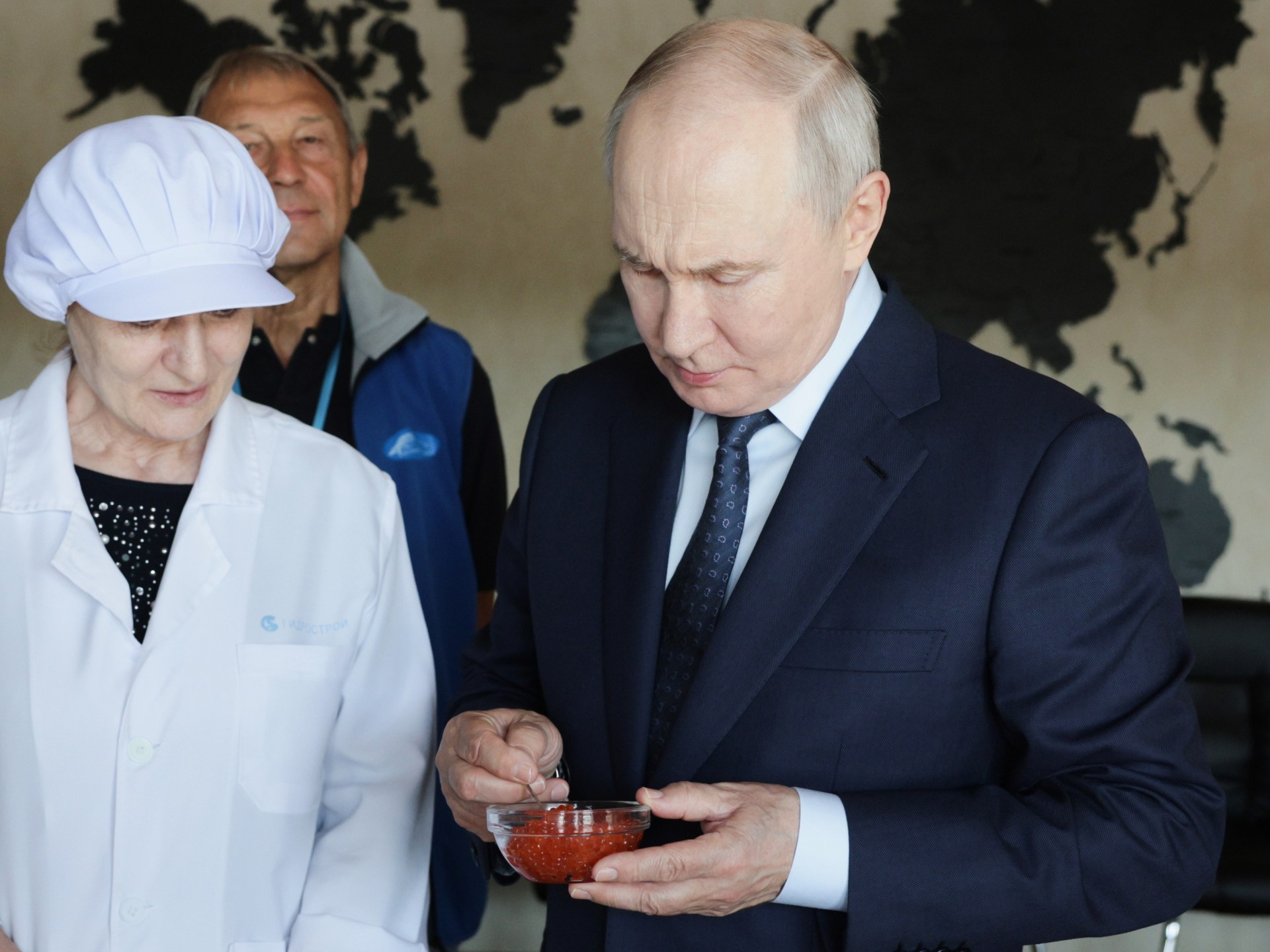
Kathmandu— Russia has lodged a strong protest with Japan over comments made by Prime Minister Sanae Takaichi regarding President Vladimir Putin's recent visit to one of the Kuril Islands, territories claimed by both nations. The dispute centers on Iturup, Kunashir, Shikotan and the Habomai Islands, seized by the Soviet Union in 1945 and has prevented a formal peace treaty between the two countries since World War II. Japan summoned Russia’s ambassador last week following Putin's visit, prompting Moscow to reciprocate this week by summoning the Japanese ambassador.
Escalating Diplomatic Tensions
Japan’s prime minister described Putin’s visit as “grave” and “absolutely unacceptable,” asserting that the Northern Territories are historically and legally part of Japan. Takaichi further stated that the visit had intensified anti-Russian sentiment within Japan, complicating efforts to restore relations in the medium to long term. Russia's Foreign Minister Sergey Lavrov responded on Monday, claiming Takaichi’s comments “crossed the line of decency” and criticized what he called Tokyo’s “militaristic line.”
Historical Roots of the Dispute
The Kuril Islands, known as the Northern Territories in Japan, were seized by the Soviet Union at the end of World War II, leading to the expulsion of the Japanese population residing there. This seizure has remained a significant point of contention, preventing Russia and Japan from signing a post-World War II peace treaty despite decades of negotiations. The islands continue to be a major obstacle in bilateral relations.
Ukraine Conflict Complicates Matters
Relations between Moscow and Tokyo have further deteriorated since Russia’s full-scale invasion of Ukraine in 2022. Japan has joined the G7 in imposing sanctions on Russia and providing financial and non-lethal defense aid to Ukraine, a country that recognizes Japan's claim over the disputed islands. Analysts suggest Putin’s visit may serve as a warning against deepening Japanese support for Ukraine, particularly regarding potential direct supply of Patriot missiles or closer collaboration with NATO.
Japan’s Evolving Defense Policy
In recent years, Japan has begun to relax its pacifist policies, lifting a ban on lethal weapons exports. However, it remains restricted from directly supplying lethal military equipment to countries engaged in active conflict, such as Ukraine. Instead, Japan indirectly supports Ukrainian air defense by exporting Patriot interceptor missiles to the United States, replenishing US stockpiles depleted by aid to Kyiv.
The Russian Foreign Ministry stated that it expects an explanation from Japan regarding Takaichi’s statements and warned of further consequences if Tokyo continues its current course. The future of negotiations over the Kuril Islands remains uncertain.
(With inputs from Al Jazeera)
Originally published on abcnews.com.np.



प्रतिक्रिया दिनुहोस्