

Kathmandu— Qatar has strongly refuted accusations from Iran regarding the fate of three military pilots whose planes crashed during early stages of conflict earlier this year, labeling the claims as “completely baseless, false and illogical.” The dispute centers on Iranian assertions that the pilots survived the crashes in March and were captured alive, while Qatar maintains it recovered the remains of one pilot and handed them over to an Iranian delegation last April. The incident occurred amid a period of heightened tensions and military engagement between Iran and other Gulf states.
Claims of Capture and Qatari Response
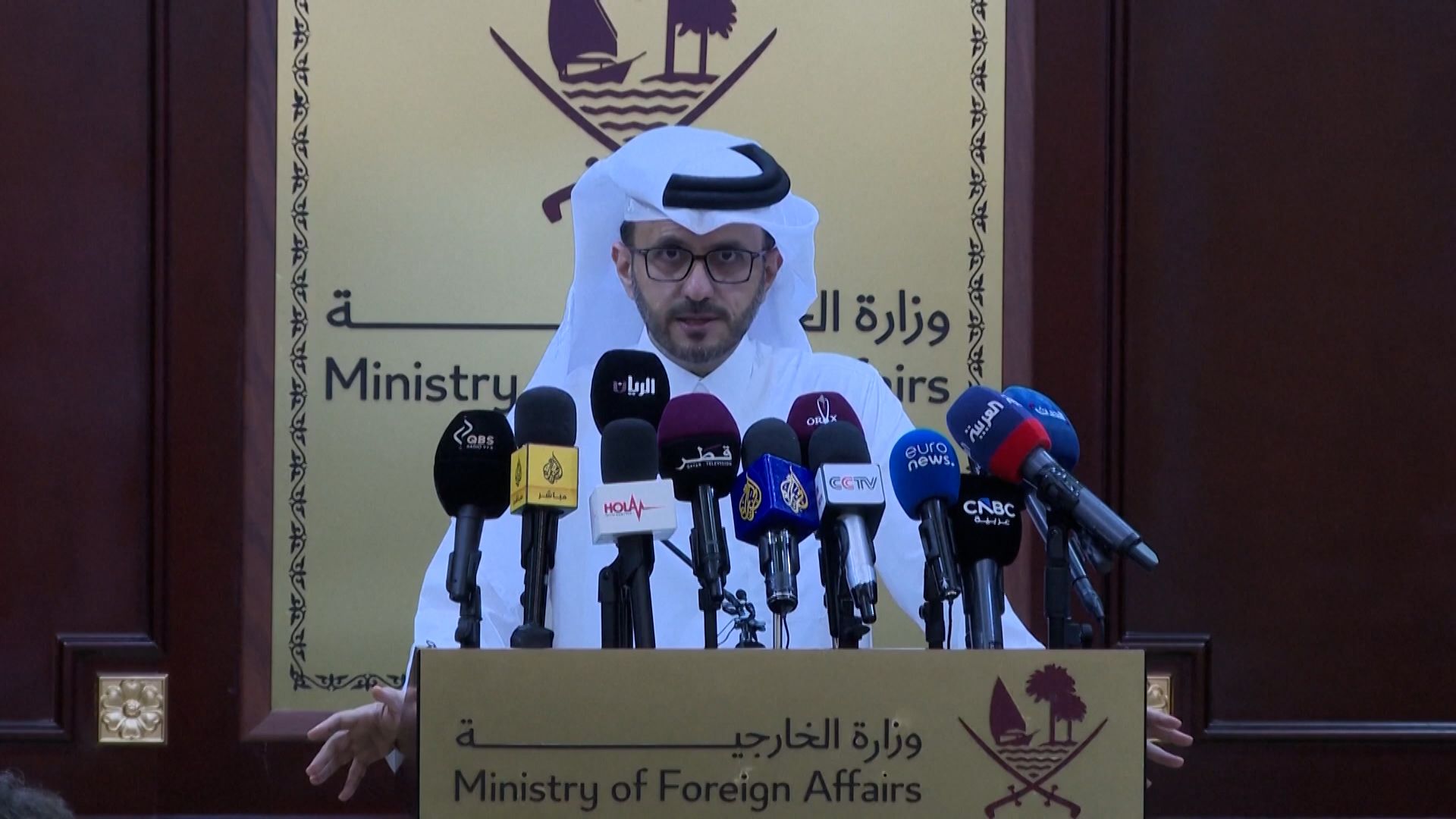
Iranian officials have publicly demanded the release of pilots Javad Salehi, Abdolmajid Dashtian, and Omran Behraveshian, alleging they were captured after their warplanes crashed. General Mohammad Bagherzadeh sent a letter to the International Committee of the Red Cross claiming the three survived and had been held for six months without communication, requesting international humanitarian intervention. Qatar’s Ministry of Foreign Affairs spokesman Majed al-Ansari dismissed these claims during a press conference on Tuesday, reiterating that one pilot's remains were returned to Iran in April.
Violation of Sovereignty
Al-Ansari stated the downed aircraft “violated Qatar’s sovereignty and the city of Doha,” adding that they were dealt with according to law. He expressed surprise at Tehran’s accusations, noting that Qatar had invited a technical team from Iran to review search operations but received no response. Al-Ansari also characterized an Iranian request for involvement from the Islamic Revolutionary Guard Corps (IRGC) in the case as a “media ploy”.
Escalation and Ceasefire Breakdown
The military engagement took place during an Iranian attack on the Al Udeid airbase in Qatar, which hosts US Central Command (CENTCOM) personnel. In early March, Qatar’s Ministry of Defence reported shooting down two Sukhoi Su-24 bombers – a first for a Gulf country against Iranian aircraft. This interception occurred within a broader context of retaliatory strikes across the Gulf following the outbreak of hostilities on February 28th. While an April ceasefire temporarily halted major combat and a June Memorandum of Understanding aimed to extend the truce, it ultimately collapsed due to renewed tensions in the Strait of Hormuz, with both sides blaming each other for violations.
Defense of Sovereignty
Al-Ansari emphasized Qatar’s commitment to defending its territory and people should it come under attack. However, he also stressed Doha's preference for diplomatic solutions and dialogue as a means of resolving the conflict.
Qatar maintains its position that the claims are unfounded and continues to prioritize diplomatic efforts while asserting its right to defend its sovereignty.
(With inputs from Al Jazeera)
Originally published on abcnews.com.np.





प्रतिक्रिया दिनुहोस्